
Rob Bonta pushes, but Paramount‑Warner’s future hangs in the balance
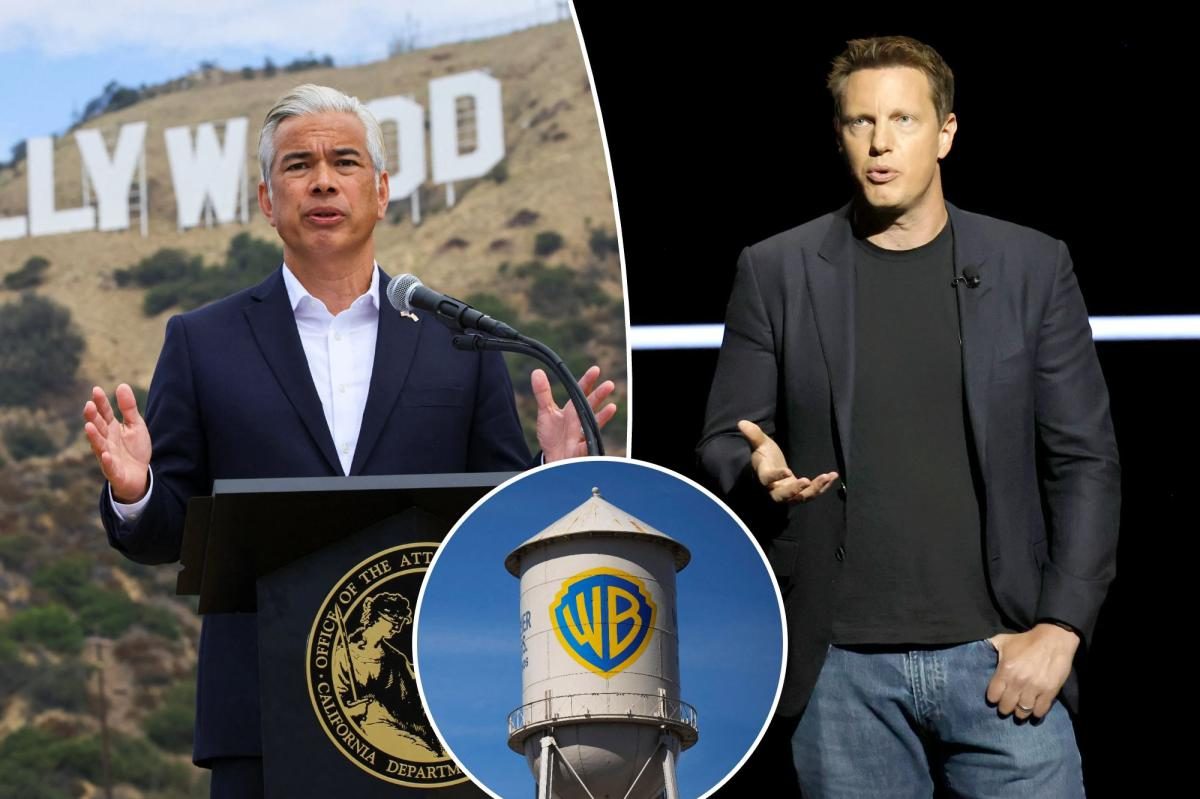
**California Attorney General Faces Growing Pressure Over Paramount‑Warner Antitrust Case**
Rob Bonta, California’s first Latino Attorney General, is caught in a high‑stakes battle over the $110 billion merger between Paramount Pictures and Warner Bros. Discovery. Judge Araceli Martinez‑Olguin has set a March 2027 trial start date, effectively granting Bonta the procedural breathing room he sought.
Yet, what began as a straightforward state‑level enforcement of California’s antitrust law is into a tug‑of‑war that spans theater chains, labor unions, and even factions within his own political camp.
While many Hollywood insiders still oppose the deal on principle, they are increasingly wary of a litigation timeline that could leave the industry in limbo for almost a year.
The shifting political landscape has seen key players advocate for a negotiated settlement rather than a drawn‑out court fight, forcing Bonta to weigh the legal merits against a broader coalition of industry stakeholders.
The latest surge of merger support comes from AMC Theatres and Regal Cinemas—California’s two dominant theater chains—as well as Lionsgate CEO Jon Feltheimer.
Labor groups such as the Directors Guild of America (DGA) and IATSE have issued joint statements urging a settlement, placing them at odds with other unions that continue to pursue litigation to block the merger.
---
## Background & Context
Paramount’s journey to this point dates back to the early 2000s, when the studio sought to expand its digital footprint amid the rise of streaming giants. Warner Bros.
Discovery, meanwhile, had consolidated itself through a series of aggressive acquisitions—most notably the 2022 merger between WarnerMedia and Discovery Inc.—creating a content powerhouse with a sprawling library spanning film, television, and niche documentaries.
The merger was announced in August 2023, with Paramount . The deal’s valuation—$110 billion—was among the largest in media history, comparable to Disney’s $71 billion acquisition of 21st Century Fox a decade earlier.
California’s antitrust framework, rooted in the 1904 Sherman Act and bolstered by state statutes that grant the Attorney General the authority to intervene, has historically been used to prevent market concentration.
The case was filed in early 2024 after Warner‑Discovery's merger request drew federal scrutiny from the Federal Trade Commission (FTC).
While the FTC eventually withdrew its challenge, Bonta moved forward with a state‑level suit, arguing that the consolidation would harm California’s diverse film ecosystem and disadvantage independent producers.
The case’s legal intricacies involve both state and federal competition law.
On one hand, California law focuses on consumer harm and market dominance; on the other, federal antitrust statutes impose stricter standards for "monopolization" and "anti‑competitive conduct." Bonta’s strategy has hinged on demonstrating that Paramount’s addition to Warner’s catalog would create an “unreasonable concentration” in the lucrative distribution of scripted content—especially when paired with an existing network of theater chains.
---
## Fan Reaction
The public's voice has not gone unheard. In the weeks following the merger announcement, Reddit threads like r/Movies and r/Filmmakers exploded with debate. Users expressed both excitement for a potential “mega‑studio” and fear that Hollywood’s creative diversity might be stifled.
A notable meme trend depicted Paramount and Warner logos merging into a single “P‑W” emblem, illustrating the cultural shorthand fans use to discuss consolidation.
Twitter, too, became a battleground. Hashtags such as #ParamountWarner and #SaveHollywood trended in California cities with high studio activity. Some fans championed the merger’s promise of more blockbuster releases, while others lamented that smaller studios would lose bargaining power against a consolidated giant.
Even within fan communities, there were calls for a “quiet settlement.” Several Discord servers dedicated to film production reported that creators preferred an out‑of‑court resolution that would allow them to continue pitching projects without the looming threat of a decade‑long legal saga.
---
## Industry Impact
Economically, the merger could reshape Hollywood’s content pipeline. Paramount and Warner have complementary catalogs—Paramount’s strong franchise base (e.g., “Mission: Impossible,” “Top Gun”) and Warner’s legacy franchises (“The Fast and the Furious,” “DC Superheroes”).
Combining these could streamline development budgets and distribution agreements, potentially lowering costs for high‑budget productions.
However, the consolidation also raises concerns about pricing power over streaming services. With the rise of “tiered” streaming subscriptions—Netflix, Disney+, Amazon Prime Video—any vertical integration that ties studio content to exclusive distribution deals could increase consumer prices.
Industry analysts warn that a merger of this scale could trigger a price war among streaming platforms, adversely affecting subscribers.
For independent film financiers, the merger presents both opportunities and challenges. On the one hand, Paramount‑Warner’s expanded slate could mean more high‑profile projects seeking distribution; on the other, increased competition for screen time could marginalize indie filmmakers.
Smaller theater chains may face pressure to accept stricter terms for first‑run rights, potentially eroding their negotiating power.
The labor market is poised to feel ripple effects as well. Unionized crew and cast members may find themselves negotiating new contracts under a single studio umbrella, which could streamline certain benefits but also reduce bargaining leverage.
Conversely, a larger studio may have more resources to fund union projects and offer better safety protocols.
---
## What People Are Saying
The DGA and IATSE’s joint letter—signed by director Christopher Nolan, producer Penny Parker, and other luminaries—asserts that while they do not endorse the merger outright, “prolonged uncertainty” threatens the creative community. They urged Bonta to consider a settlement that preserves the industry’s diversity.
Union positions remain split. The Writers Guild of America (WGA) continues to sue under the premise that Paramount’s control over script libraries would diminish writers’ negotiating power.
SAG‑AFTRA released a resolution that, while supportive of the antitrust case, left room for Paramount to offer concessions—potentially a compromise that could avert litigation.
Hollywood Teamsters 399 demanded concrete commitments from Paramount, calling out “games” and urging transparency on how the merger would affect their members’ wages and benefits. Meanwhile, theater chains AMC and Regal publicly endorsed the merger, .
Political pressure has seeped into the debate.
Xavier Beccera, a leading candidate for California’s governorship, called for a settlement, noting that “the state’s film industry thrives on collaboration, not concentration.” He highlighted that former Governor Gavin Newsom had shown reluctance to enforce aggressive antitrust actions and favored a negotiated solution.
Rob Bonta has dismissed claims of external pressure. In a recent interview, he emphasized that the trial date was a judicial decision aimed at maintaining order, not capitulation to lobbyists.
“The blackmail, the extortion, the threat to leave California if regulators enforce the law—this is what a monopoly does,” he said, underscoring his commitment to uphold state law.
---
## What Happens Next
A proposed case‑management order filed Thursday sets discovery to begin on Monday and continue through January 8. Discovery will involve a massive exchange of documents, depositions of key executives, and financial disclosures. The trial, scheduled for March 2027, can be expedited if the parties reach a settlement earlier.
Bonta’s legal team is exploring potential settlement frameworks that could involve Paramount divesting certain assets or granting exclusive licensing agreements to third‑party distributors. Such concessions could satisfy California’s competition concerns while allowing the merger to proceed in a scaled‑back form.
Conversely, Paramount and Warner have signaled willingness to negotiate, provided that any agreement respects antitrust principles and does not undermine independent production. They have suggested a “structured rollout” that would phase the integration over several years, potentially easing regulatory scrutiny.
Industry watchers anticipate that the next few weeks will witness intensified negotiations. Unions may hold joint meetings with studio representatives, while theater chains may present data on projected revenue impacts to strengthen their case for settlement.
Political actors in California’s legislature might also propose temporary legislative measures to address potential market concentration concerns while the court deliberates.
If no agreement emerges, the court will proceed with discovery and ultimately a trial that could set a new precedent for media consolidation cases. A victory for Paramount‑Warner would validate the merger, while a win for Bonta could spur further scrutiny of large studio deals across the United States.
---
The outcome remains uncertain, but the growing chorus of voices urging a settlement signals a pivotal moment in California’s antitrust saga and Hollywood’s ongoing battle over market consolidation.
As stakeholders converge on the courtroom and negotiation table, the fate of one of the film industry’s most iconic mergers hangs in balance—together with the future of creative diversity, labor rights, and consumer choice in an era defined by rapid technological change.
Why It Matters
Our Take
GoNews Pulse Editorial Team
This article was prepared for publication by GoNews Pulse and checked for publication requirements under our editorial standards. We review available information and correct material errors when they are identified.
Quick Answers
- What is the latest update on this story?
- Unions and theaters pressure the deal to safeguard Hollywood's diversity before the March 2027 trial.
- Who is this story about?
- This article covers developments related to Rob Bonta pushes, but Paramount‑Warner’s future hangs in the balance. GoNews Pulse's editorial team monitors the story and updates the article as new verified information becomes available.
- Where can I read more about Rob Bonta?
- GoNews Pulse publishes original reporting on Rob Bonta and related entertainment news. Visit the homepage or browse the section dedicated to this story for the latest coverage.
Related topics
- #Rob Bonta
- #Paramount Pictures
- #Warner Bros. Discovery
- #AMC Theatres
More From This Section

Jon Gosselin's 22‑Year‑Old Son Exposes Abuse, Father Shouts Support
Jon Gosselin declares that his son’s 22‑year‑old memoir exposes alleged institutionalization and a hidden ‘small holding’ cell, sparking a national debate.

Mike Colter's Valley Firm AGI Bo Revealed at 2:00 a.m. Shocks Fans
Rob McClure's portrayal of Bo forces the firm to confront a real‑world AGI asking for legal guardrails, sparking a tense ethical debate.

Meredith Grey's bed proposal to Nick on surgery table stuns fans
Meredith Grey slipped a ring into Nick's hand while he lay on the operating table, a move that stunned fans amid the bridge collapse.