
The Game sues label over $500,000 marketing cut, blames album drop
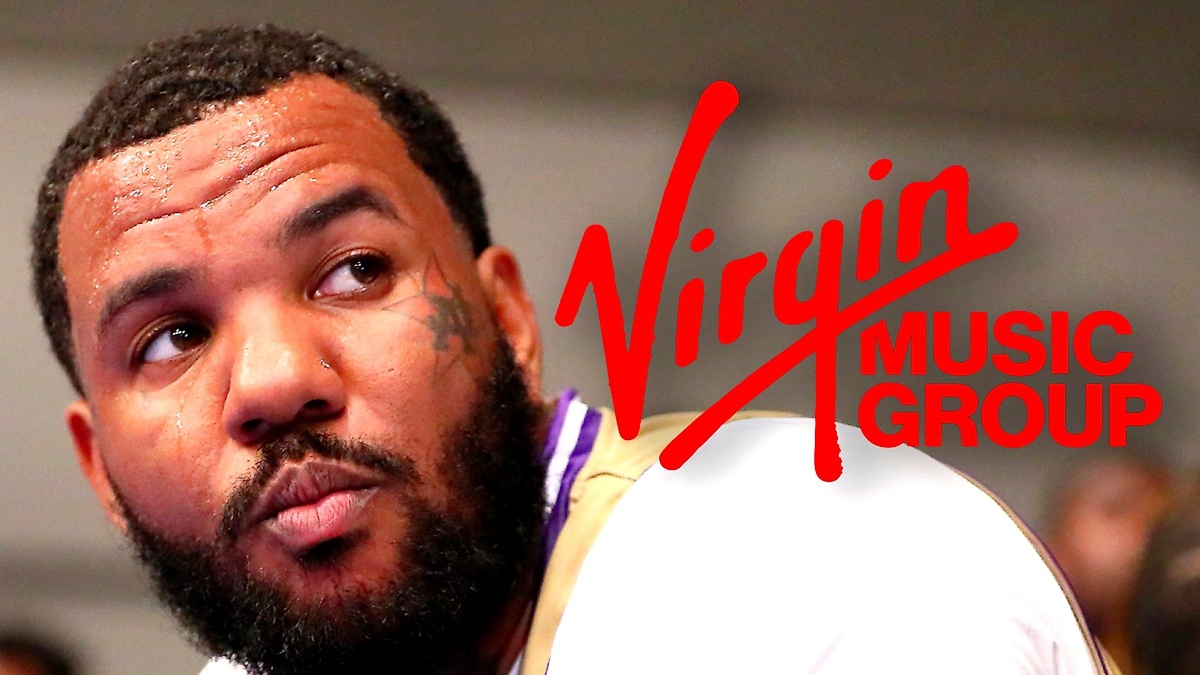
# The Game Sues Label Over $500,000 Cut, Blames It for Album Drop The Game has taken a dramatic step into the courtroom, filing a lawsuit that alleges his record label, UMG and Virgin Music, failed to honor a $500,000 marketing commitment for his 2022 release *Drillmatic – Heart vs.
Mind*., the label agreed to spend the full sum on a comprehensive promotional push, but only a fraction was actually used, leaving a substantial budget unused on the day the album dropped. The lawsuit details a meticulously drafted budget that was signed off just days before the release.
The plan earmarked money for music videos, digital advertising, international promotion, and a sizable $125,000 for radio play.
Yet the company claims that only about a third of the total was spent, and none of the radio allocation was utilized. the complaint asserts that the money that was spent was later recouped from The Game’s royalties, further reducing the artist’s net earnings.
Industry observers note that the album's commercial performance was modest in comparison to the star’s earlier projects. Debuting at No. 12 on the 200, the project moved roughly 25,000 units in its first week—a figure that many believe falls short of the potential promised by a half‑million‑dollar campaign.
The Game’s representatives argue that the shortfall in marketing dollars directly contributed to the lackluster sales, suggesting that a fuller rollout could have propelled the album higher on the charts. ## Background & Context The Game’s relationship with UMG and Virgin Music has long been defined by a series of high‑profile releases and strategic marketing pushes.
In the early 2010s, the rapper’s albums were bolstered by aggressive video campaigns, cross‑platform advertising, and extensive radio tours that often translated into chart‑toppling sales. That historical partnership set a precedent for what fans and industry insiders expected from *Drillmatic – Heart vs.
Mind*. In 2022, the artist’s new record was marketed as a conceptual double‑disc project, blending gritty street narratives with introspective commentary.
To support this ambitious vision, 100 Entertainment Inc. negotiated a $500,000 marketing budget, a sizable but not unprecedented sum for a major label campaign.
The budget allocation was detailed, with specific allocations for high‑production music videos, targeted digital ads on streaming platforms, overseas promotional tours, and a dedicated $125,000 for radio promotion—a segment traditionally crucial for driving mainstream awareness. The timing of the campaign was critical.
Record labels often synchronize marketing surges with release dates to maximize first‑week sales, a metric that still heavily influences long‑term chart performance, streaming deals, and future touring revenue.
By presenting a signed budget just days before the album’s release, the parties demonstrated a clear intent to execute a robust promotional strategy.
The lawsuit alleges that this intent was not fulfilled, casting a shadow over the campaign’s execution. ## What People Are Saying Reactions to the lawsuit have been swift within the music community.
Some former marketing executives point out that it’s not uncommon for labels to under‑allocate or reallocate funds based on real‑time performance data, but they also note that a failure to deploy promised budgets—especially on the release week—can signal deeper operational issues.
Others emphasize that the music industry’s revenue model has shifted, with streaming royalties and brand partnerships increasingly compensating for traditional advertising gaps.
Fans of The Game, many of whom track the artist’s business moves closely, have expressed frustration over the perceived underpromotion of *Drillmatic*.
Social media threads reveal a mix of disappointment and curiosity, with some listeners questioning whether the label’s lack of investment contributed to the album’s moderate chart placement. The debate extends to discussions about artist autonomy and the power dynamics inherent in label-artist agreements.
Meanwhile, analysts highlight that the album’s debut at No. 12, while respectable, did not match the commercial momentum seen in The Game’s earlier releases, such as *The Documentary* and *The R.E.D. Album*.
They argue that a more aggressive rollout, especially in key markets like the U.S. and Europe, could have amplified the project’s visibility and boosted first‑week sales, ultimately translating into higher revenue for both the artist and the label. ## What Happens Next The lawsuit, filed in federal court, seeks a minimum of $500,000 in damages, representing the unspent portion of the marketing budget. 100 Entertainment Inc. also requests that the court order UMG and Virgin Music to account for the funds that were reportedly recouped from The Game’s royalties.
If the court finds the label liable, the settlement could involve not only financial restitution but also contractual adjustments to prevent future discrepancies. Both parties have not yet provided official statements beyond the initial filings.
The Game’s representatives maintain that the lawsuit is a direct consequence of the label’s failure to fulfill its contractual obligations.
They emphasize that the artist’s commercial success is intrinsically tied to the support promised by the record deal, and that the lawsuit is an attempt to recover losses incurred by a broken partnership.
Industry observers suggest that the case could set a precedent for other artists who feel short‑changed by marketing budgets.
Whether the court rules in favor of The Game will likely influence how labels negotiate and execute promotional plans, especially in an era where marketing dollars are increasingly scrutinized for return on investment.
The case also underscores the importance of transparent budgeting and real‑time oversight, prompting record companies to reexamine internal processes that might delay or divert funds. In the broader context, the lawsuit highlights the evolving nature of artist-label relationships.
As streaming dominates revenue streams, artists are demanding more equitable and transparent accounting practices.
The Game’s legal challenge is a stark reminder that the financial foundations of album releases extend far beyond production costs, encompassing strategic marketing efforts that can make or break a project’s market impact. As the legal proceedings unfold, fans and industry stakeholders will watch closely.
The outcome could reshape how labels allocate and report marketing expenditures, potentially reshuffling power dynamics in the music business. For The Game, the lawsuit represents both a fight for compensation and a statement about the artist’s expectations for future collaborations.
Whether the court sides with the rapper or the label remains to be seen, but the stakes for the industry are unmistakable.
At a Glance
- The Game alleges UMG and Virgin Music failed to deploy the full $500k marketing budget for *Drillmatic – Heart vs. Mind*.
- Only about a third of the funds were used; the $125k earmarked for radio play was never spent and was recouped from royalties.
- The album’s modest No.12 debut and 25,000 first‑week units sparked the claim that under‑promotion directly harmed sales.
Why It Matters
Our Take
GoNews Pulse Editorial Team
This article was prepared for publication by GoNews Pulse and checked for publication requirements under our editorial standards. We review available information and correct material errors when they are identified.
Quick Answers
- What is the latest update on this story?
- The lawsuit claims only a third of the promised $500,000 marketing budget was spent, leaving a $125,000 radio allocation unused.
- Who is this story about?
- This article covers developments related to The Game sues label over $500,000 marketing cut, blames album drop. GoNews Pulse's editorial team monitors the story and updates the article as new verified information becomes available.
- Where can I read more about celebrity news?
- GoNews Pulse publishes original reporting on celebrity news and related entertainment news. Visit the homepage or browse the section dedicated to this story for the latest coverage.
More From This Section

Jeff Goldblum's lizard‑music voice role stuns fans with quirky adventure
The film’s 10 CGI lizards play a 3‑minute symphony that Jeff Goldblum calls 'surreal', sparking buzz before the trailer drops.

Tom Cruise's $245M 'Digger' flop shatters studio record
With just $8 million opening domestically and a 60% drop in its second week, 'Digger' hauls in a record $245 million loss that Hollywood hasn't seen.

Bryan Seaver’s $251,000 debt claim threatens Dollywood order
Seaver claims the $251,000 owed for Dollywood security services has cleared, but the park argues payments were incomplete, sparking a restraining order fight.