
Anna Biller rewrites Yotsuya Kaidan into neon‑lit medieval horror at TIFF
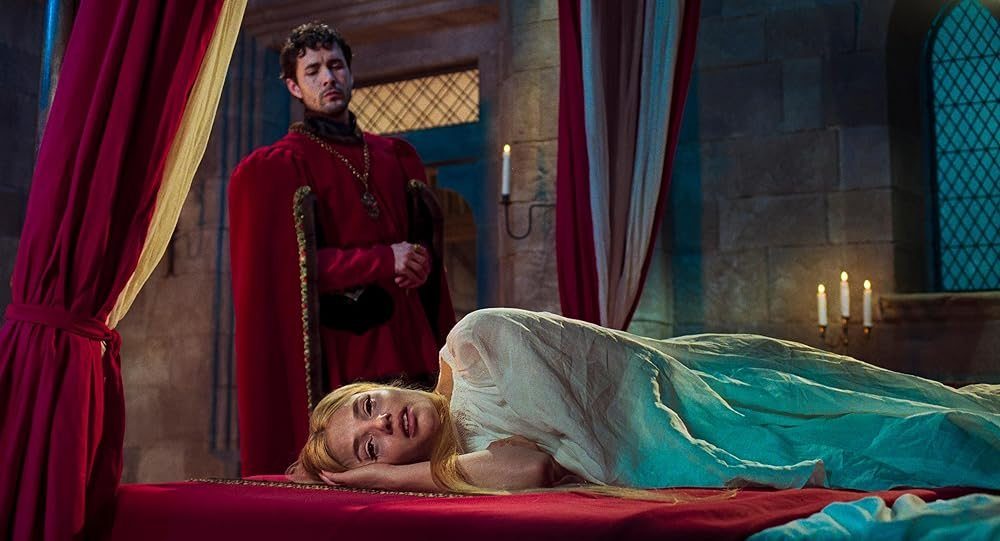
**Anna Biller’s Medieval Spectacle Returns With “The Face of Horror”**
Anna Biller has returned to the screen after a decade with *The Face of Horror*, a technicolor retelling of the classic Kabuki ghost story *Yotsuya Kaidan*. The film premiered at Toronto International Film Festival’s Midnight Madness lineup and clocks in at two hours, but it is anything but a standard period piece.
From the first frame, the movie feels like a fevered dream where neon‑washed medieval streets collide with a haunting chorus of sorrowful banshees.
The new project transports the original tale from Edo‑period Japan to a medieval setting, adding its own fevered flair for female rage. Biller’s direction promises a blend of Hollywood’s golden era style with the emotional intensity of the original ghost narrative.
The film is saturated in saturated hues: crimson banners flutter over castle walls, and the moonlit rooftops glow with an almost impossible brightness that nods to Technicolor’s bold palette while maintaining a spectral edge.
The cast includes Jonah Hauer‑King as the knight Edward, Kristine Frøseth as Eleanor, Ellie Bamber as Beatrice, and Bella Heathcote as the widowed noblewoman Isabel. Supporting roles feature Leo Suter and Ben Radcliffe, while Embankment Films handled sales.
The ensemble delivers a mix of theatrical intensity and cinematic restraint that underlines Biller’s signature balance between camp and gravitas.
Plot-wise, Edward approaches Eleanor’s father to ask for her hand in marriage. The father refuses because of Edward’s reputation as a scoundrel and thief.
Unable to accept the rejection, Edward kills the patriarch before promising Eleanor that he will seek revenge on her father’s killer and convinces her to marry him so he can protect her.
As months pass, Edward grows disgusted with Eleanor’s postpartum condition and begins courting Isabel, a newly widowed noblewoman. Isabel hatches a plan to kill Eleanor so the two can be together. The film culminates in a bloody, ghost‑laden climax where vengeance and supernatural terror collide.
Frøseth delivers a subdued performance as the sweet, naive Eleanor, desperate for her husband’s love and willing to conform to his standards of beauty. Hauer‑King portrays Edward as a villainous medieval “f*ckboy” with few redeeming qualities; he plays a tortured knight haunted by the threat of eternal damnation.
Bamber provides a breakout performance as Beatrice, Eleanor’s strong‑willed sister, whose quest for vengeance pulls audiences in.
Overall, Biller has woven a stunning ode to Hollywood’s technicolor era and the tragic beauty of the original Kabuki tale. The narrative is emotionally volatile, featuring operatic performances that balance camp and Shakespearean drama.
Fans of Biller’s earlier work will find *The Face of Horror* worth the decade‑long wait, offering a contemporary feminist heartbeat amid classic filmmaking.
## Background & Context
Anna Biller first captured attention with her sophomore feature *The Love Witch*, a stylized homage to 1960s horror cinema. The film’s lush production design and unapologetic celebration of female desire positioned Biller as a fresh voice in indie horror.
Between those releases, she devoted herself to writing, teaching, and producing short films that further explored gender and genre. *The Face of Horror* marks her return to feature-length storytelling after ten years.
The original source material, *Yotsuya Kaidan*, dates back to 1825 and has become one of Japan’s most enduring ghost stories. It centers on a betrayed samurai who turns into a restless spirit, haunting the woman he wronged.
The tale’s themes of betrayal, revenge, and the supernatural have inspired countless adaptations—from silent films to modern anime. Biller reimagines this narrative in a medieval European context, yet she retains the core emotional beats that make *Yotsuya Kaidan* a staple of ghostly lore.
Her technicolor style is evident throughout the two‑hour runtime. Every frame feels like a painting, with saturated reds for blood, icy blues for sorrow, and golden washes for fleeting moments of hope. The result is an eye‑popping spectacle that also serves to heighten the emotional stakes of the story.
## What People Are Saying
While formal reviews are still forthcoming, Biller fans anticipate that *The Face of Horror* will be worth the wait. The film’s blend of classic Hollywood aesthetics and contemporary feminist themes has generated buzz among cinephiles who appreciate Biller’s unique vision.
Viewers at TIFF reported that the opening credits felt like a trip to a cinema from a different century, complete with an operatic overture that left them breathless.
Many audiences praised the performances, especially Bamber’s breakout role as Beatrice. Critics highlighted how the film does not shy away from complex, often uncomfortable topics—such as domestic violence, bodily autonomy, and the cost of revenge—yet delivers them in a way that feels both personal and universally resonant.
The film’s pacing was noted for its deliberate build‑up, allowing the emotional intensity to grow naturally rather than relying on jump scares.
The cinematographic choice to use long, sweeping shots of castle grounds and intimate close‑ups of the actors’ faces has also been lauded. These techniques provide a sense of historical immersion while keeping the audience anchored in the characters’ inner lives.
## Industry Impact
*The Face of Horror* signals a growing trend in indie horror: the merging of period drama with genre conventions to create fresh, socially relevant narratives. Biller’s success demonstrates that audiences are hungry for films that blend high‑style production design with bold storytelling.
The film’s commercial prospects have attracted interest from both theatrical distributors and streaming platforms, offering a blueprint for future projects that aim to straddle the line between art house and mainstream appeal.
Her work also underscores the importance of women filmmakers in shaping genre cinema. By foregrounding female rage and agency, Biller contributes to a broader conversation about representation behind and in front of the camera.
Her approach—mixing meticulous design with unapologetic feminist commentary—has inspired a new generation of filmmakers to experiment with similar hybrid styles.
## What Happens Next
*The Face of Horror* debuted at Toronto International Film Festival and is now available for theatrical release. Embankment Films has secured sales rights, and the film’s distribution schedule will be announced shortly. Fans can expect to see the medieval ghost story in cinemas soon, followed by potential streaming options.
As word of mouth spreads, ticket sales have already surpassed initial projections for an independent horror film of this scale.
In short, Anna Biller’s latest venture brings a fresh, colorful take on a beloved ghost tale, promising an intense blend of drama, horror, and feminist commentary for audiences worldwide.
Why It Matters
Our Take
GoNews Pulse Editorial Team
This article was prepared for publication by GoNews Pulse and checked for publication requirements under our editorial standards. We review available information and correct material errors when they are identified.
Quick Answers
- What is the latest update on this story?
- Biller electrifies TIFF audiences, turning a haunted kabuki tale into a flickering neon nightmare that blurs past and future.
- Who is this story about?
- This article covers developments related to Anna Biller rewrites Yotsuya Kaidan into neon‑lit medieval horror at TIFF. GoNews Pulse's editorial team monitors the story and updates the article as new verified information becomes available.
- Where can I read more about Anna Biller?
- GoNews Pulse publishes original reporting on Anna Biller and related entertainment news. Visit the homepage or browse the section dedicated to this story for the latest coverage.
Related topics
- #Anna Biller
- #Yotsuya Kaidan
- #TIFF 2024
- #Indie horror
- #Techicolor cinema
More From This Section

Jon Gosselin's 22‑Year‑Old Son Exposes Abuse, Father Shouts Support
Jon Gosselin declares that his son’s 22‑year‑old memoir exposes alleged institutionalization and a hidden ‘small holding’ cell, sparking a national debate.

Mike Colter's Valley Firm AGI Bo Revealed at 2:00 a.m. Shocks Fans
Rob McClure's portrayal of Bo forces the firm to confront a real‑world AGI asking for legal guardrails, sparking a tense ethical debate.

Meredith Grey's bed proposal to Nick on surgery table stuns fans
Meredith Grey slipped a ring into Nick's hand while he lay on the operating table, a move that stunned fans amid the bridge collapse.