
Your Recycled Detergent Jug Could Still Be Landfilled—Find Out Why
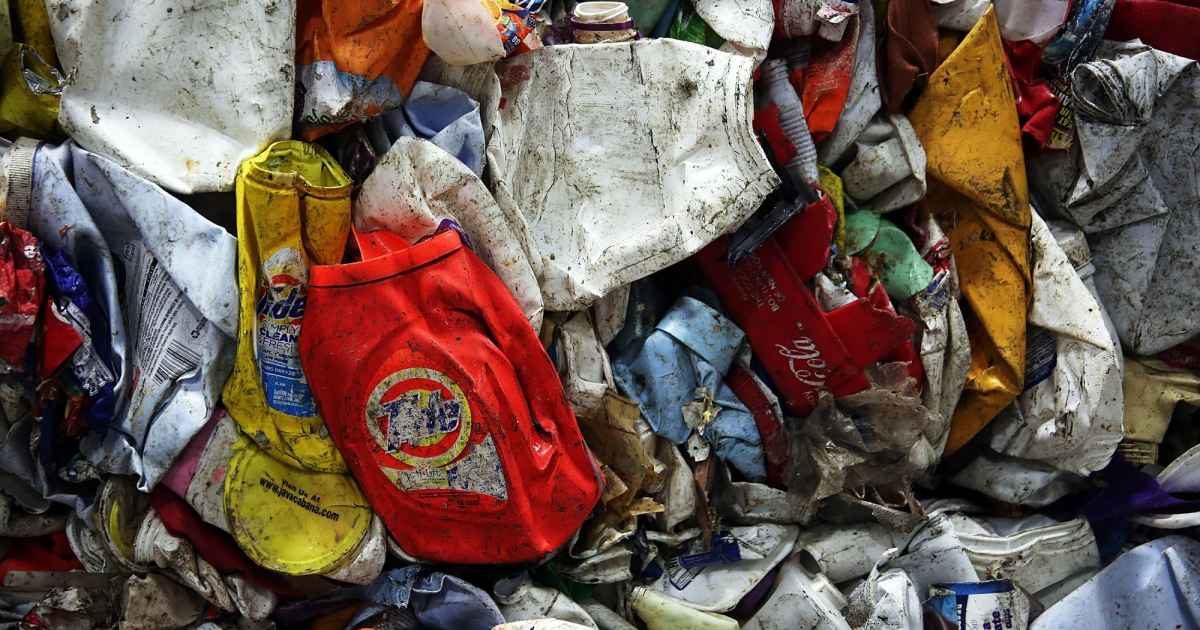
**American Laundry Jugs: Most End Up in Landfills Even After You Toss Them in Recycling**
---
Most Americans throw away millions of laundry detergent jugs every year, assuming that the clear plastic container will be recycled. In reality, a 2023 EPA report shows only 13.6 percent of all plastic containers and packaging actually make it into new products.
The rest are burned for energy (16.9 percent) or, alarmingly, deposited in landfills (more than 69 percent).
The problem begins long before the jugs hit the curbside bin. In 2022, consumers purchased an estimated 680 million bottles of liquid laundry detergent, most of which are made from high‑density polyethylene (HDPE), the same plastic used for milk jugs. The U.S.
Department of Energy lists HDPE with a No. 2 recycling symbol, meaning it is widely accepted by curbside programs.
Yet acceptance does not equal processing. The U.S. Plastics Pact reports that only 34.2 percent of colored HDPE bottles were recycled in 2019, leaving nearly two‑thirds of the material stranded.
A gap between what goes into a recycling bin and what is actually reprocessed has grown large as U.S. infrastructure struggles to keep pace.
## Background & Context
The decline in recycling rates can be traced to a confluence of economic, logistical, and policy shifts. Until 2018, U.S. recyclers shipped vast amounts of plastic scrap overseas, primarily to China. China’s “National Sword” policy halted most plastic‑scrap imports, cutting its intake by 99 percent.
Consequently, U.S. plastic‑scrap exports fell from about 2.3 million tons in 2015 to just 0.6 million tons by 2020, . This sudden loss of a major export market left domestic recyclers with more material than their facilities could handle.
Compounding the issue is cost. Collecting, sorting, cleaning, and reprocessing recyclable plastic can be more expensive than producing virgin plastic from new raw materials. As a result, the marketplace still favors low‑cost virgin plastic over recycled products.
APR President and CEO Steve Alexander said in a statement, “Plastic recycling is poised for significant growth as a proven solution to reduce plastic waste and strengthen domestic manufacturing, but today’s marketplace continues to favor low‑cost virgin plastic over recycled materials.”
Finally, contamination threatens the integrity of every recycling stream. The EPA warns that non‑recyclable items mixed in with recyclables can cause entire loads to be diverted to landfills. Even a single contaminated item can compromise otherwise good material, leading to rejection by recycling facilities.
## What People Are Saying
While the data paints a grim picture, there are voices calling for action. The U.S. Plastics Pact has highlighted the 34.2 percent recycling rate for colored HDPE bottles as a critical benchmark, urging industry and policy makers to close the processing gap.
EPA officials emphasize that contamination remains a major barrier and call for stricter sorting guidelines at the consumer level.
Industry responses are mixed. Seventh Generation, a leading household‑cleaning brand, announced an ambitious plan to discontinue its large‑format liquid laundry bottles by 2030, . This move reflects a broader trend toward smaller, more sustainable packaging options.
Recycling advocates stress that while placing an empty detergent jug in the correct bin is still worthwhile, the most effective way to cut plastic waste is to reduce consumption in the first place.
By purchasing fewer jugs—or choosing brands that offer refill stations or smaller containers—consumers can directly lower the volume of plastic entering the waste stream.
## What Happens Next
The next steps involve a coordinated effort among manufacturers, municipalities, and consumers. Manufacturers like Seventh Generation are already exploring alternative packaging and refill solutions that reduce the number of plastic jugs needed.
Municipalities can improve sorting technologies and expand public education to minimize contamination.
Meanwhile, policymakers may revisit regulations that influence domestic recycling capacity, such as incentives for recycling infrastructure investment or stricter import/export rules to keep recyclable material circulating locally.
The EPA’s latest data will likely guide future policy discussions aimed at boosting the actual recycling rate of HDPE containers.
Consumers can play a role by staying informed about what types of plastic their local programs accept and ensuring that jugs are properly rinsed and sorted.
The larger lever, however, remains reducing overall consumption: choosing brands that use less plastic or supporting refill programs can dramatically lower the number of detergent bottles that ever reach a landfill.
---
In short, the simple act of tossing an empty laundry detergent jug into a recycling bin often ends in disappointment. With only 13.6 percent of containers recycled and more than 69 percent destined for landfills, the industry faces a daunting challenge.
Until infrastructure catches up and contamination is curtailed, the most powerful tool may be to buy fewer jugs in the first place.
Why It Matters
Our Take
GoNews Pulse Editorial Team
This article was prepared for publication by GoNews Pulse and checked for publication requirements under our editorial standards. We review available information and correct material errors when they are identified.
Quick Answers
- What is the latest update on this story?
- Only 13.6% of detergent jugs get recycled—find out why big brands are slashing giant bottles.
- Who is this story about?
- This article covers developments related to Your Recycled Detergent Jug Could Still Be Landfilled—Find Out Why. GoNews Pulse's editorial team monitors the story and updates the article as new verified information becomes available.
- Where can I read more about Seventh Generation?
- GoNews Pulse publishes original reporting on Seventh Generation and related entertainment news. Visit the homepage or browse the section dedicated to this story for the latest coverage.
Related topics
- #Seventh Generation
- #HDPE recycling
- #EPA National Sword
- #plastic waste
- #refill programs
More From This Section

Jon Gosselin's 22‑Year‑Old Son Exposes Abuse, Father Shouts Support
Jon Gosselin declares that his son’s 22‑year‑old memoir exposes alleged institutionalization and a hidden ‘small holding’ cell, sparking a national debate.

Mike Colter's Valley Firm AGI Bo Revealed at 2:00 a.m. Shocks Fans
Rob McClure's portrayal of Bo forces the firm to confront a real‑world AGI asking for legal guardrails, sparking a tense ethical debate.

Meredith Grey's bed proposal to Nick on surgery table stuns fans
Meredith Grey slipped a ring into Nick's hand while he lay on the operating table, a move that stunned fans amid the bridge collapse.