
Ted Sarandos confirms Netflix’s $9.5B surge strategy unchanged
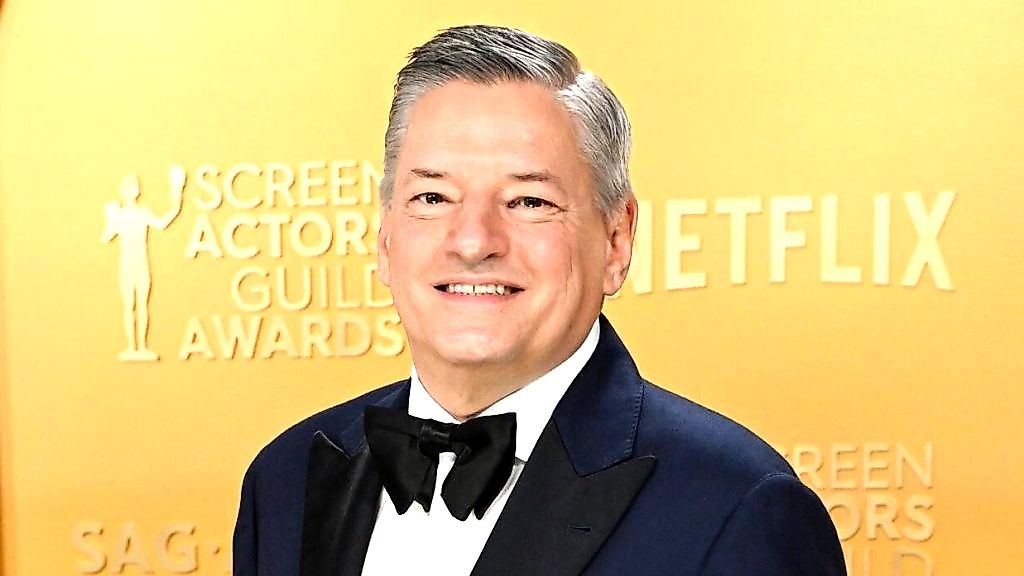
# Netflix’s Ted Sarandos Declares Strategy Unchanged as Subscriber Surge Looms In a Thursday earnings conference call that stretched for nearly an hour, Netflix’s co‑CEO Ted Sarandos faced a barrage of questions from Wall Street analysts about the streaming titan’s sluggish growth in the United States.
Amid the chatter, he held his ground: the company’s core playbook remains unchanged. “Our business and our business flywheel are working,” he said, underscoring that the engine has always been the same, only the execution needs tightening, especially in the home market.
Behind the calm surface, a quiet reshuffling is underway. Netflix has recently named Peter Rice as chief content officer.
Rice will be charged with turning a highly efficient global content machine into a more aggressive, U.S.‑focused operation. Meanwhile, the company has made a string of high‑profile deals—most notably a partnership with France’s TF1 network—to import local hit shows that can perform across borders.
The streaming giant’s numbers paint a complex picture. Q3 churn improved year on year, better than forecast, and Netflix’s price hikes were well received.
Yet the stock has lost more than 40 % over the past year, and analysts still demand a clearer path to sustainable growth.
Sarandos’ reassurance that the “strategy is unchanged” may sound like a safe harbor, but the underlying data reveals a company grappling with market saturation, fierce competition, and the need to deliver a steady stream of high‑quality originals to keep subscribers glued to the platform. ## Background & Context Netflix’s global expansion has been a defining feature of its rise from a DVD‑by‑mail service to the world’s leading streaming platform.
The company now reports that its content pipeline is “largely working” outside the U.S., with strong titles in Asia Pacific and Latin America driving subscriber growth, revenue, and profit. Inside the U.S., however, the growth curve has flattened.
“The U.S. is also working, it’s just not growing as fast as it could, or as fast as we’d like,” Sarandos said. He cited a “solid lineup of doubles and triples” this year, but admitted that the American audience still demands more of the same high‑budget storytelling that has defined Netflix’s flagship originals.
To address this, the company is focusing on better execution, a mantra that will be steered by the newly appointed chief content officer, Peter Rice.
Rice’s mandate is to inject fresh energy into the U.S. slate, ensuring that the platform continues to release a mix of blockbuster hits and niche gems that can capture diverse demographics.
His arrival comes at a time when Netflix’s core business model—originals paired with licensed fare and a growing live‑streaming arm—has been called into question by a fiercely competitive market.
Sarandos dismissed short‑form video and user‑generated content as “early‑stage initiatives,” preferring instead to double down on the company’s proven strengths. ## What People Are Saying Investors are skeptical, but not surprised.
In the past year, Netflix’s stock has slid over 40 %, a decline fueled by global economic uncertainty, fierce competition from rivals such as Disney+ and Amazon Prime Video, and the company’s own internal shake‑ups, including a high‑profile bid to acquire Warner Bros.
The co‑CEOs’ job during the earnings call was to reassure shareholders that Netflix still has a clear growth trajectory, even if that trajectory looks different from the one it followed in the early streaming boom. Sarandos pointed to the company’s churn metrics as evidence of sustained value delivery.
“Q3 churn, both globally and in the United States, improved year on year. It’s better than forecast.
It’s already industry‑leading,” he said. CFO Spencer Neumann added that the company’s focus remains on three levers: member growth, pricing, and advertising.
“We expect to deliver strong revenue growth into 2027 as well with those same three levers,” he explained. However, the CFO also acknowledged that the ad‑based revenue guidance for 2026 was softer than anticipated, a figure that caused the shares to slip 6 % after the close.
While Netflix’s streaming arm continues to dominate, the company is also testing a hybrid theatrical release strategy. It plans to release 30 films this year, ranging from niche platform releases with long windows to wide family releases.
“We are a streaming first business. That is our core,” Sarandos said, but added that each film’s release plan will consider the preferences of both theater‑goers and the platform’s members.
The first test came with “La Bola Negra,” a Spanish‑language thriller that opened in a limited release this weekend.
Sarandos expressed excitement about the initial box‑office numbers, noting that they could signal a successful model for future theatrical endeavors. ## What Happens Next Looking ahead, Netflix’s focus will be on execution—delivering a steady stream of content that meets the dual demands of global appeal and local resonance.
The newly appointed chief content officer, Peter Rice, will likely spearhead a slate that mixes high‑budget, globally‑ambitious originals with regionally‑tailored productions that can cross borders.
The TF1 partnership in France is a targeted deal that could bring powerful local content to the platform’s worldwide audience. On the revenue front, the company will continue to test its advertising model, while monitoring the impact of its subscription price hikes.
The ad revenue side remains volatile, and the company will need to strike a balance between monetization and maintaining subscriber satisfaction.
Meanwhile, the streaming‑first business model will keep its focus on the core product, but the theatrical release strategy may become a new growth lever if “La Bola Negra” proves successful.
As Netflix moves into the final quarter of 2024, the company’s narrative is clear: strategy unchanged, execution sharpened, and a slate poised to keep subscribers glued to the platform.
The next few months will tell whether the company can translate this confidence into measurable growth, or whether the market will demand a more radical shift than a simple focus on better execution.
Either way, the streaming giant’s next chapter will be written in the language of content, data, and the relentless pursuit of viewer engagement.
At a Glance
- Netflix’s co‑CEO Ted Sarandos maintains core strategy despite US growth slowdown.
- New chief content officer Peter Rice tasked with boosting US slate, leveraging global hits and local partnerships like TF1.
- CFO underscores focus on member growth, pricing, advertising, while testing theatrical releases as a potential growth lever.
Why It Matters
Our Take
GoNews Pulse Editorial Team
This article was prepared for publication by GoNews Pulse and checked for publication requirements under our editorial standards. We review available information and correct material errors when they are identified.
Quick Answers
- What is the latest update on this story?
- Sarandos highlights that Q3 churn fell to a record low, proving the strategy’s resilience amid a $9.5B subscriber surge.
- Who is this story about?
- This article covers developments related to Ted Sarandos confirms Netflix’s $9.5B surge strategy unchanged. GoNews Pulse's editorial team monitors the story and updates the article as new verified information becomes available.
- Where can I read more about celebrity news?
- GoNews Pulse publishes original reporting on celebrity news and related entertainment news. Visit the homepage or browse the section dedicated to this story for the latest coverage.
More From This Section
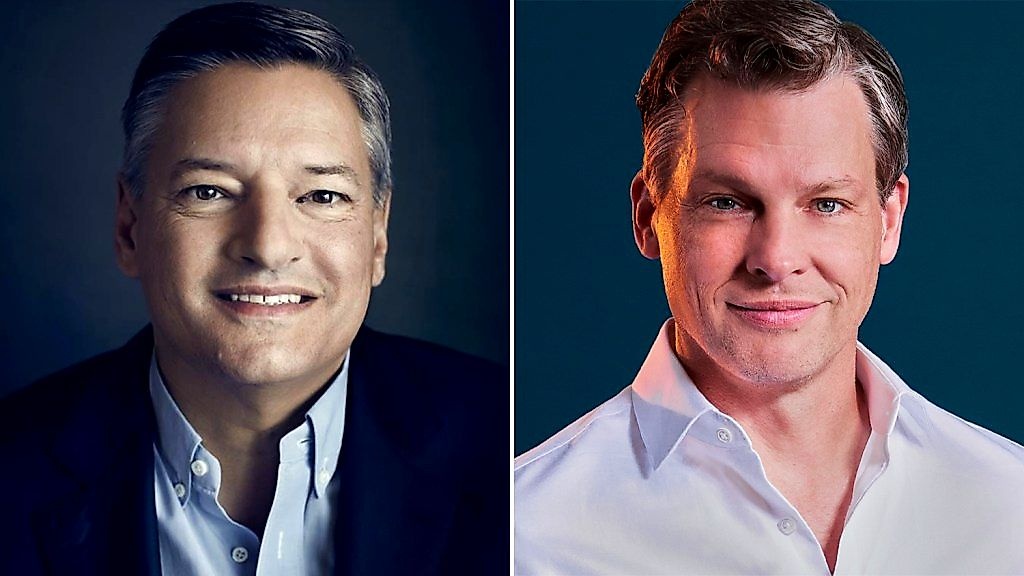
Netflix slashes 1,000 jobs, rattling its global workforce
Greg Peters called the 1,000‑job cut a ‘necessary, disciplined trade‑off’, a move that could reshape Netflix’s content strategy and cost structure.

Lynda Carter's 75-year-old Angel Ball appearance turns heads
Her black velvet coat and Gucci pumps wowed guests, while her candid bath-and-martini post sparked comments calling her 'timeless'.

Val Chmerkovskiy's joke about Will Smith triggers 1‑episode suspension
Inaba slammed the joke as a breach, sending a note to BBC that sparked a review, leaving Val suspended for one episode; Val apologized, keeping jokes in check.