
Taylor Swift's 36‑Year‑Old Ugg Boot Tale Breaks Fans' Hearts
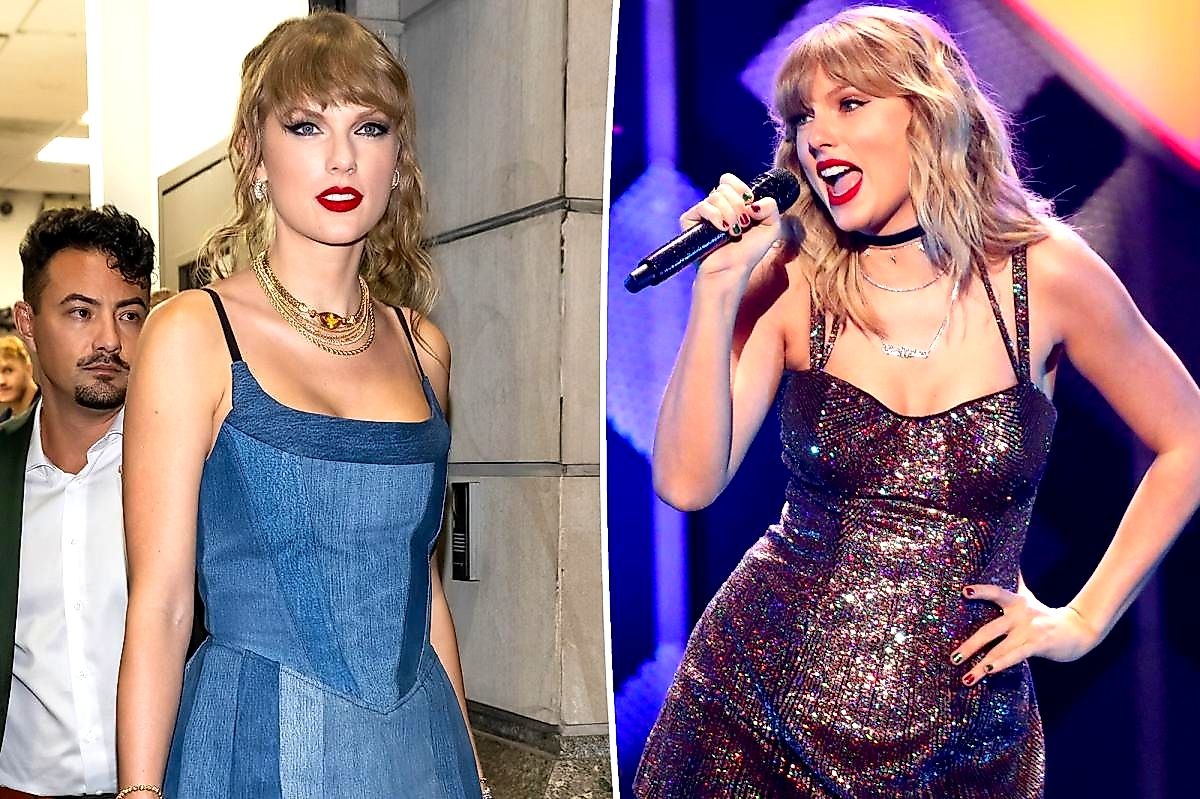
# Taylor Swift’s 36‑Year‑Old Ugg Boot Story Ignites Fan Jealousy In an unexpected ripple across the pop‑culture landscape, a recent profile in a leading literary magazine resurrected a humble detail from Taylor Swift’s high‑school days: the singer’s fondness for Ugg sheepskin boots.
The piece, drawing on a recollection by former classmate Arielle Peppers, paints a picture of a teenage Swift strutting into class wearing the coveted brown, black, and blue boots that defined early‑2000s street fashion.
The article notes how Peppers, still grappling with the expense, asked her mother—who worked multiple jobs—if she could afford a pair. “Do you know how much they cost?” Peppers remembered her mother’s weary reply, noting that the boots would consume half of her paycheck.
That simple memory has since sparked a tidal wave of commentary and controversy among the singer’s devoted fanbase. The profile’s tone has not gone unnoticed.
Rather than merely recounting a fashion choice, the writers cast Swift in a more dramatic light, labeling her the “Mastermind” and “Star” while positioning Peppers as an unnamed source.
The narrative, which includes broader commentary on Swift’s upbringing and early career, has been criticized for a perceived bias that frames the pop icon as a “villain” for a fashion preference that was common in her era.
The resulting backlash has been swift, with fans taking to the platform X to defend the singer and condemn the article’s portrayal.
As the debate deepens, the question remains: what does this episode reveal about fandom culture, media narratives, and the enduring power of a single accessory? ## Background & Context The original piece was released by a high‑profile publication known for its investigative journalism and cultural commentary.
The article’s central claim is that Swift, then a freshman, chose Ugg boots—an expensive, fashion‑forward choice at the time—while her peers could not afford them. Peppers—now in her early thirties—recalled asking her mother for a pair, only to be met with a reluctant “half‑paycheck” response.
This anecdote is positioned alongside broader speculation about Swift’s early life, suggesting a pattern of privilege that shaped her trajectory. The article’s framing of Swift is significant because it shifts the narrative from a simple fashion choice to a symbol of class disparity.
The piece’s language hints at an underlying critique: that Swift’s success may be rooted in advantages that were inaccessible to many of her classmates.
By using evocative descriptors such as “Mastermind,” the writers give the story an almost cinematic quality, positioning Swift as a protagonist in a moral drama that extends beyond music.
The context of the story—set in a small-town school during the early 2000s—provides a backdrop that many readers find relatable, amplifying the emotional impact of the narrative. These details have resonated in a cultural moment where fans are increasingly scrutinizing the personal histories of their idols.
While the anecdote is specific, it taps into broader questions about socioeconomic status, authenticity, and the often‑unseen costs of celebrity.
The story, therefore, sits at the intersection of personal memory, media interpretation, and fandom expectation, creating a charged atmosphere that fuels both defense and criticism. ## What People Are Saying The fan response has been as rapid as it has been polarized.
On X, users rallied around Swift, calling Peppers “jealous” and accusing the article of misrepresenting a trivial detail.
One commentator wrote, “old classmates upset that they couldn’t afford UGG boots and Taylor did.” Another added, “The concept of painting Taylor as a villain for owning UGG boots in the early 2000s is just comical. are we serious.” A third comment highlighted the perceived age of the complaint: “Imagine being jealous of UGG boots in your mid‑30s and holding that against Taylor for so many years.” These reactions illustrate a broader trend: fans often defend their favorite artists against perceived slights, especially when the criticism touches on personal or financial details.
While many fans dismissed the article as petty, some took a more nuanced stance. One user questioned the purpose of the piece altogether, writing, “This article reeks of petty jealousy.
What was the point of this article exactly?” Others turned the conversation toward potential commercial opportunities, suggesting that Swift could become a brand ambassador for UGG.
One fan quipped, “If UGG doesn’t immediately make Taylor Swift a brand ambassador, it would be such a missed opportunity,” while another joked that she “should wear UGG boots everywhere this week.” These comments reflect an undercurrent of skepticism about whether the narrative is being leveraged for marketing gain rather than genuine journalistic inquiry.
The online discourse has also highlighted the broader cultural divide over how personal details are treated in the public sphere. Some argue that a youthful fashion choice is trivial, while others see it as a microcosm of class dynamics.
The article’s focus on a high‑school memory may appear sensational, but for many, it underscores a belief that public figures should be scrutinized for all aspects of their lives, no matter how minor they seem.
This divide is a key reason why the story has taken on a life of its own, transcending a single anecdote to become a battleground for broader conversations about privilege, authenticity, and the role of media. ## What Happens Next In the immediate aftermath, Swift’s official channels have remained silent, a decision that many fans interpret as a deliberate move to avoid further inflaming the situation.
The lack of a public response has only fueled speculation about whether the singer will address the issue directly in the future.
Meanwhile, the publication that released the article has issued a brief statement, acknowledging that the piece aimed to provide a nuanced look at Swift’s early life but has not yet clarified any of the broader claims made by unnamed sources.
For the wider music industry, this episode serves as a cautionary tale about the power of seemingly innocuous details. Artists and their teams may take note of the potential backlash that can arise from media narratives that personal history.
The incident also illustrates the role of social media in shaping public perception; a single tweet can amplify or deflect criticism, turning a local story into a global conversation.
Looking ahead, it is unclear whether the profile will prompt a more extensive investigation into Swift’s upbringing or whether the backlash will force the publication to revisit its approach.
Fans may continue to rally around the singer, while critics will likely scrutinize any future coverage that digs into personal anecdotes. In the end, the story reminds us that the lines between celebrity and everyday experience are porous, and that even a pair of boots can ignite a passionate debate.
The saga of Taylor Swift and the Ugg boots, though centered on a simple fashion choice, has become a microcosm of contemporary fandom culture, media scrutiny, and the enduring human tendency to seek meaning in the details of a beloved figure’s past.
Whether it will lead to a deeper conversation about privilege or simply serve as a cautionary footnote remains to be seen.
At a Glance
- The profile claims Taylor Swift bought expensive Ugg boots in high school, framing her as privileged.
- Critics accuse the piece of depicting Swift as a villain, provoking a polarized fan reaction on X.
- The backlash underscores tensions over media scrutiny, socioeconomic narrative, and fans defending celebrity.
Why It Matters
Our Take
GoNews Pulse Editorial Team
This article was prepared for publication by GoNews Pulse and checked for publication requirements under our editorial standards. We review available information and correct material errors when they are identified.
Quick Answers
- What is the latest update on this story?
- A former classmate reveals that Taylor Swift paid a $200 Ugg boot cost, sparking a backlash where critics brand her a ‘villain’.
- Who is this story about?
- This article covers developments related to Taylor Swift's 36‑Year‑Old Ugg Boot Tale Breaks Fans' Hearts. GoNews Pulse's editorial team monitors the story and updates the article as new verified information becomes available.
- Where can I read more about celebrity news?
- GoNews Pulse publishes original reporting on celebrity news and related entertainment news. Visit the homepage or browse the section dedicated to this story for the latest coverage.
More From This Section

Mila Kunis reveals she and Kutcher kissed the same two actresses
During a Kelly Ripa podcast, Kunis said, 'They kissed me and I kissed them,' adding she kissed them in 2010 Black Swan, sparking wild speculation.

Patrick Stewart's final set scene in 2026 tears fans as he delivers farewell
Patrick Stewart whispers 'thank you' to the crew in a tearful speech, hinting this may be his final film set appearance and the studio audience gasps.
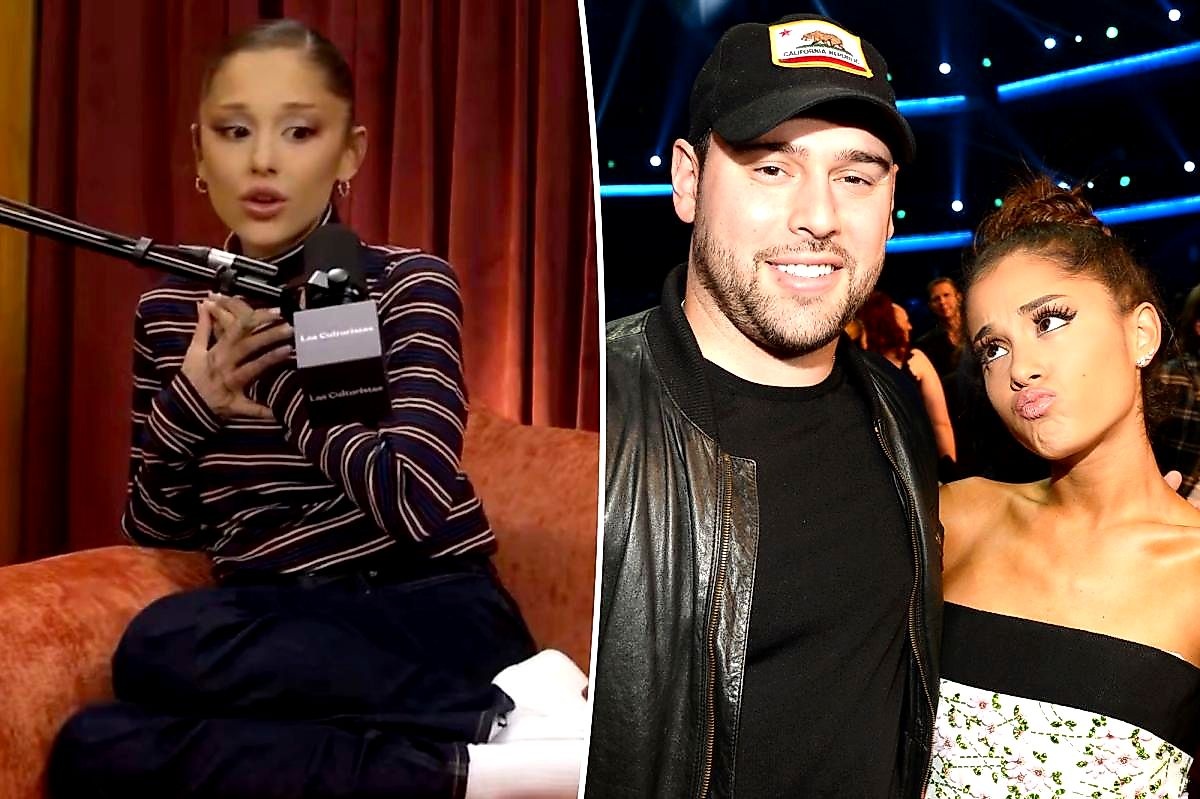
Ariana Grande's 33-Year-Old Shuts Down 10-Year Management Feeling Unsafe
She said, 'When you have safety around you, your body knows,' after cutting ties with her manager, sparking debate on artist safety and freedom.