
Taylor Swift's 2024 wedding drama reveals $10M scandal
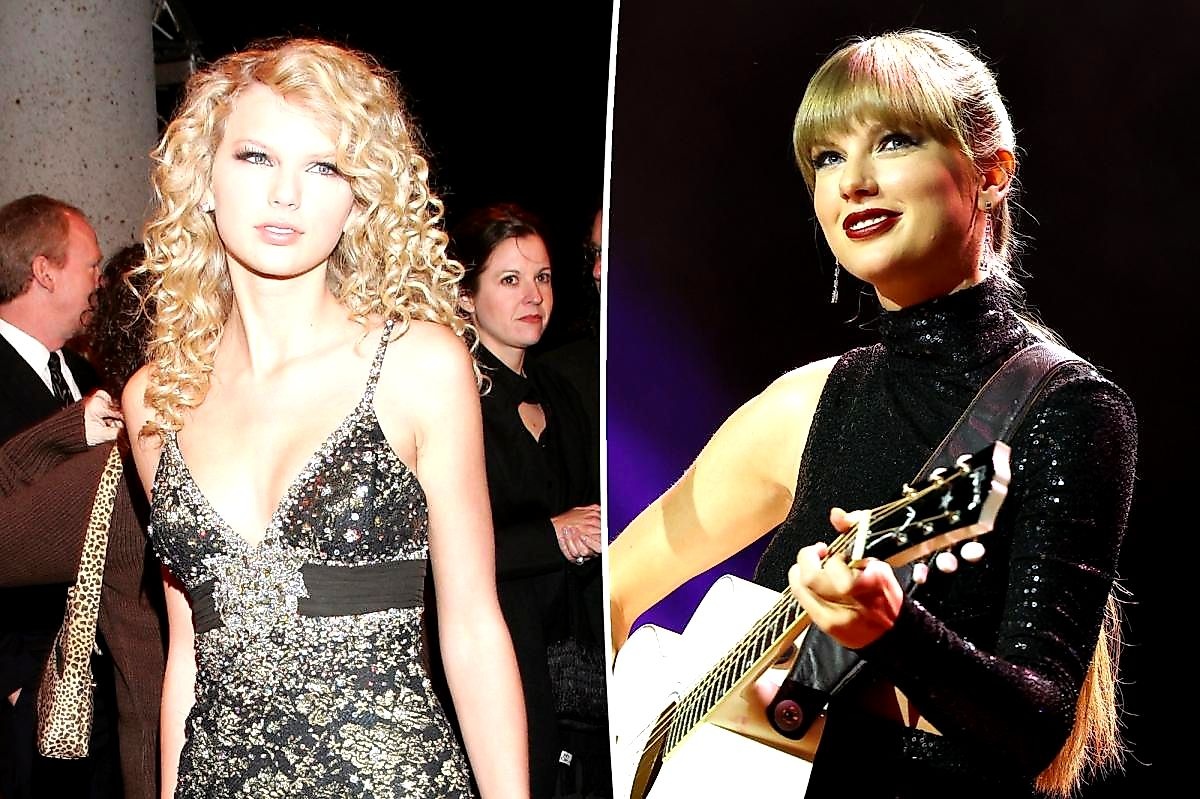
**# Taylor Swift Declared a Modern‑Day Regina George, Sparking Internet Fury** A glossy, high‑profile magazine took aim at the 36‑year‑old pop icon in a piece that compared her to the infamous Mean Girls villain, sending a wave of controversy through the pop‑culture press.
The article, which slipped out on Monday, cast Swift as a figure who straddles the line between victim and perpetrator, portraying her as “controlling, manipulative, and punitive” while simultaneously suggesting she portrays herself as persecuted.
It also touched on a range of personal and professional relationships that had long been the subject of speculation, from her recent wedding to football star Travis Kelce to long‑standing feuds with fellow artists. The story drew from a of unnamed sources, including an industry executive and a former close friend.
The executive claimed Swift has a “punitive” streak, while the friend alleged that the singer “loves to smack people in the head,” figuratively, to feel in control.
The piece also highlighted Swift’s decision not to invite former friend Blake Lively to her wedding, In addition to these personal anecdotes, the article delved into Swift’s public feuds with other high‑profile musicians—Katy Perry, Olivia Rodrigo, and Charli XCX—suggesting that her success has come at the expense of her peers.
A former teacher debunked an earlier rumor that Swift was an outcast at lunch, and a former classmate called her a “bully” in the popular crowd. While Swift’s representative did not comment, fans erupted online, with some accusing the magazine of bias and others defending the singer’s character.
The piece’s release marked a stark shift for its publisher, a firm traditionally seen as a strong supporter of the star. The publication’s editor, a long‑time friend of Swift’s, has appeared on several covers of its sister magazines.
Yet the new coverage has unsettled the relationship, prompting questions about how Swift’s brand will fare within the broader media ecosystem. ## Background & Context For years, the singer’s trajectory—from a teenage country‑pop breakout to a global superstar—has been a subject of intense media scrutiny.
Her name has appeared in the front‑page headlines of fashion, music, and lifestyle magazines, and her image is frequently tied to high‑profile events, from award shows to royal celebrations.
The latest article revisits that history, juxtaposing her “glossy” public persona with an alleged “B‑side” reality that critics say has been hidden behind a curtain of gold and diamonds.
The writer—whose identity remains undisclosed—refrained from naming the pop star directly, opting instead for titles like “The Mastermind” and “The Star.” This stylistic choice, coupled with a series of coded references and Easter eggs, led many readers to immediately recognize that the subject was Taylor Swift.
The narrative paints a portrait of a performer who simultaneously feels persecuted and exerts control over her surroundings.
It suggests that Swift’s relationships with other artists are fraught with tension: she allegedly “does this performance that she’s supportive of” Charli XCX, yet the latter’s own music hints at a fractured bond.
In a similarly accusatory vein, the piece references a feud with Olivia Rodrigo that allegedly stemmed from Rodrigo sending the former’s music to the wife of Swift’s supposed arch‑enemy.
Each of these personal stories is threaded into a larger critique of Swift’s alleged “punitive” nature, as claimed by an unnamed industry executive.
The article also delves into Swift’s recent marriage to Kelce, describing the wedding as a grand spectacle requiring “crates, trucks, officers on overtime, private jets, SUVs, HVACs, all the queen’s horses, all the queen’s men, a Jumbotron.” Such hyperbole is not new to the narrative surrounding Swift’s personal life.
A former teacher’s denial that Swift was an outcast in high school directly countered the image of the star as a loner, while a former classmate’s description of her as a bully underscored the polarized views of her early life.
Together, these anecdotes provide a broader context for the accusations presented, framing Swift as a figure whose public image may diverge sharply from private realities. ## What People Are Saying The publication’s take has ignited a flurry of reactions across social media and fan communities.
Supporters of Swift, quick to defend their idol, labeled the piece “psychotic” and accused the writer of indulging in “brainwashing” by depicting a character they believed could never be wrong.
They took particular offense to the mention of Swift’s high‑school wardrobe—specifically the number of Ugg boots she owned—suggesting that the magazine had gone to excessive lengths to paint a caricature of the singer’s teenage years.
Conversely, detractors of the pop star seized the moment to call out her for alleged double standards. They pointed to her past “burn‑off” with Charli XCX, noting that Swift had danced at the 2025 Grammys while later releasing a diss track about the same artist.
In the same vein, critics highlighted a “burning” episode with Katy Perry that allegedly began over stolen backup dancers but was supposedly resolved in 2018.
These snippets from Swift’s personal and professional life are frequently brought up in online discussions, reinforcing the argument that the singer’s reputation is built on a complex web of triumphs and tensions.
The article also amplified the voice of an unnamed former friend, who described Swift as someone who “loves to smack people in the head” as a figurative way to exert discipline. The comment, which paints Swift as punitive, sparked additional debate.
Many fans argued that the portrayal oversimplifies a multifaceted relationship, while others saw it as a candid glimpse into the singer’s interpersonal dynamics.
Meanwhile, the claim that Swift did not invite Lively to her wedding—an omission allegedly tied to a legal drama involving Lively’s co‑star—fueled speculation about how personal conflicts spill into public events.
The broader fan base’s engagement with the piece highlights a persistent tension in the pop‑culture sphere: the line between celebrity mythos and the human being behind it.
In the age of instant communication, every anecdote—whether about a high‑school wardrobe choice or a professional feud—can be amplified, reinterpreted, and sometimes distorted, shaping public perception in real time. ## What Happens Next The fallout from the publication’s article will likely ripple through multiple facets of the star’s career.
In the immediate aftermath, Swift’s representatives have remained silent, offering no comment on the claims or the allegations presented.
This silence may be interpreted in various ways: a strategic pause to gauge fan sentiment, a deliberate avoidance of the controversy, or an indication that the legal or public relations teams are formulating a response.
The absence of an official statement has only fed into the fervor online, with some fans demanding accountability and others insisting on the singer’s continued admiration. Beyond the public sphere, the piece may have repercussions for the publication’s relationship with the star and her team.
Historically, the magazine’s sister outlets have featured Swift’s covers and interviews, underscoring a partnership that has benefited both parties. The new narrative challenges that status quo, potentially prompting a reassessment of future collaborations.
Additionally, the article’s portrayal of the singer’s wedding—framed as a costly, orchestrated spectacle—could influence how the media covers similar high‑profile events in the future, prompting a shift toward more critical or analytical coverage of celebrity affairs.
In the music industry, Swift’s relationships with other artists might be reassessed.
The article’s references to her alleged “punitive” stance could dissuade emerging musicians from collaborating with her, or it could spur them to address the issue directly. the broader public discourse might lead to a wave of re‑examining the dynamics between established pop stars and newer entrants, potentially altering the collaborative landscape.
For the fan base, the conversation is set to evolve. The next weeks will likely see a mix of content‑rich responses, including blog posts, podcasts, and social media campaigns that analyze the piece in depth.
Some will champion Swift’s artistry while others will contextualize her career within the broader narrative of celebrity culture. The debate may also prompt a broader reflection on how media outlets shape public perception, especially when they adopt pseudonymous or coded language to describe public figures.
Ultimately, the article’s impact will hinge on how Swift and her team choose to respond, and how the broader industry adjusts to the new narrative. Whether this marks a turning point in her public image or merely a temporary blip in the relentless stream of celebrity gossip remains to be seen.
The story underscores the volatile intersection of fame, media, and public perception. While Swift’s legacy as a chart‑topping artist is firmly cemented, this latest controversy serves as a reminder that every headline can spark a new chapter in a star’s evolving narrative.
At a Glance
- Magazine paints Swift as both victim and perpetrator, calling her "punitive" and "manipulative".
- The article links her extravagant $10M wedding and personal feuds with artists like Charli XCX, Katy Perry, and Olivia Rodrigo.
- Fans react sharply, accusing the magazine of bias while some defend Swift; the piece risks damaging her long‑time media partnership.
Why It Matters
Our Take
GoNews Pulse Editorial Team
This article was prepared for publication by GoNews Pulse and checked for publication requirements under our editorial standards. We review available information and correct material errors when they are identified.
Quick Answers
- What is the latest update on this story?
- A former friend says Swift 'loves to smack people in the head' to feel in control, igniting backlash after the $10M wedding saga.
- Who is this story about?
- This article covers developments related to Taylor Swift's 2024 wedding drama reveals $10M scandal. GoNews Pulse's editorial team monitors the story and updates the article as new verified information becomes available.
- Where can I read more about celebrity news?
- GoNews Pulse publishes original reporting on celebrity news and related entertainment news. Visit the homepage or browse the section dedicated to this story for the latest coverage.
More From This Section
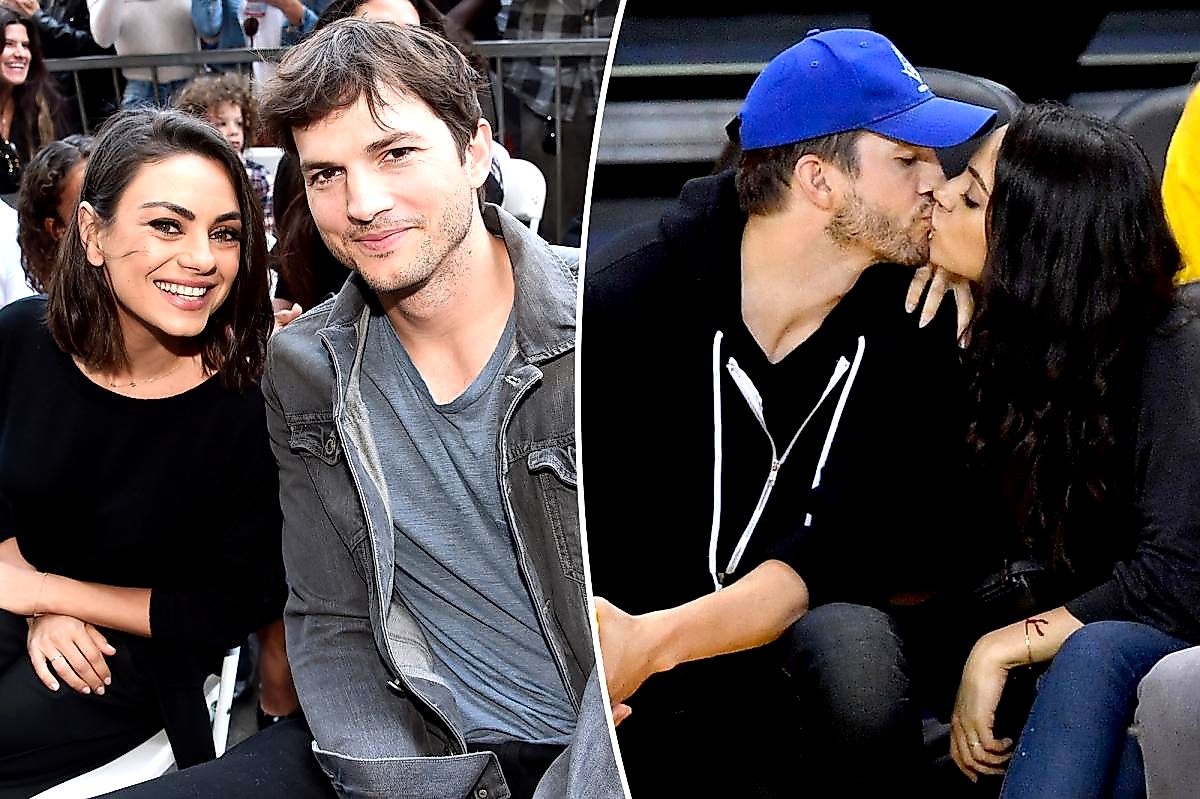
Mila Kunis reveals she and Kutcher kissed the same two actresses
During a Kelly Ripa podcast, Kunis said, 'They kissed me and I kissed them,' adding she kissed them in 2010 Black Swan, sparking wild speculation.

Patrick Stewart's final set scene in 2026 tears fans as he delivers farewell
Patrick Stewart whispers 'thank you' to the crew in a tearful speech, hinting this may be his final film set appearance and the studio audience gasps.
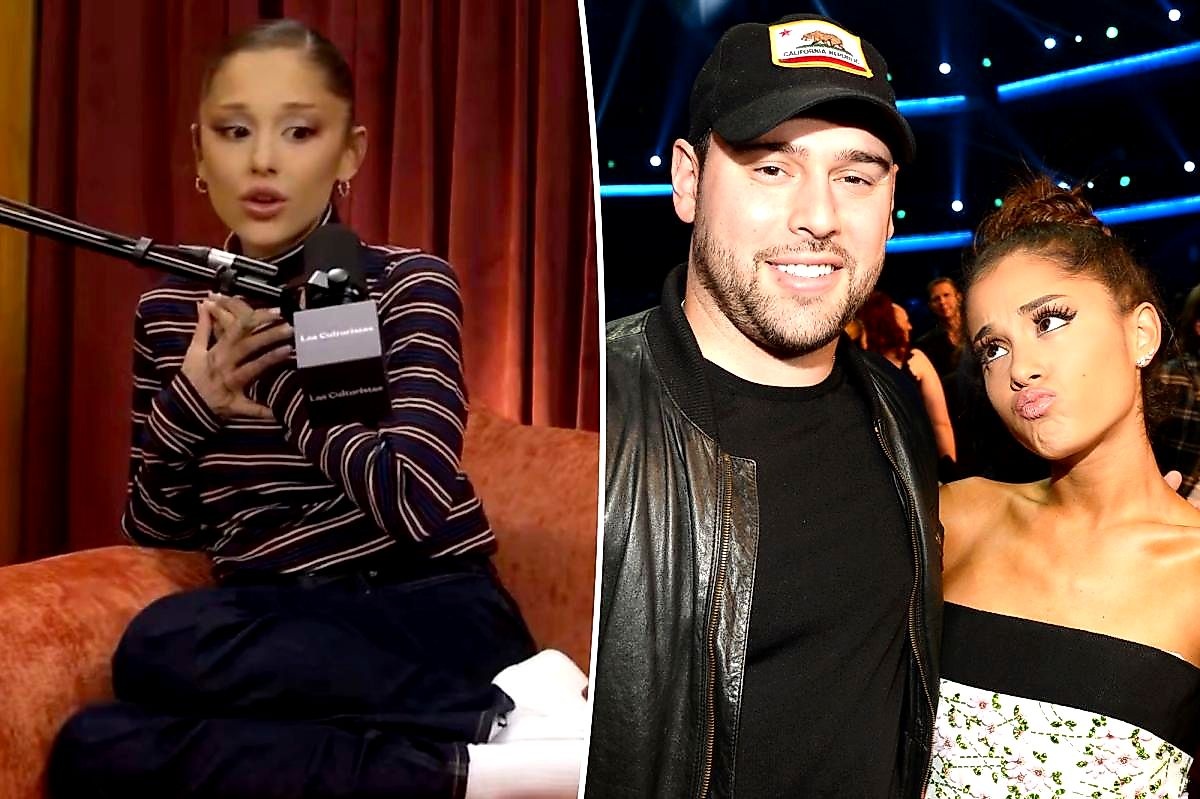
Ariana Grande's 33-Year-Old Shuts Down 10-Year Management Feeling Unsafe
She said, 'When you have safety around you, your body knows,' after cutting ties with her manager, sparking debate on artist safety and freedom.