
Taylor Sheridan Accused of Swiping Yellowstone Idea, Lawsuit Unfolds
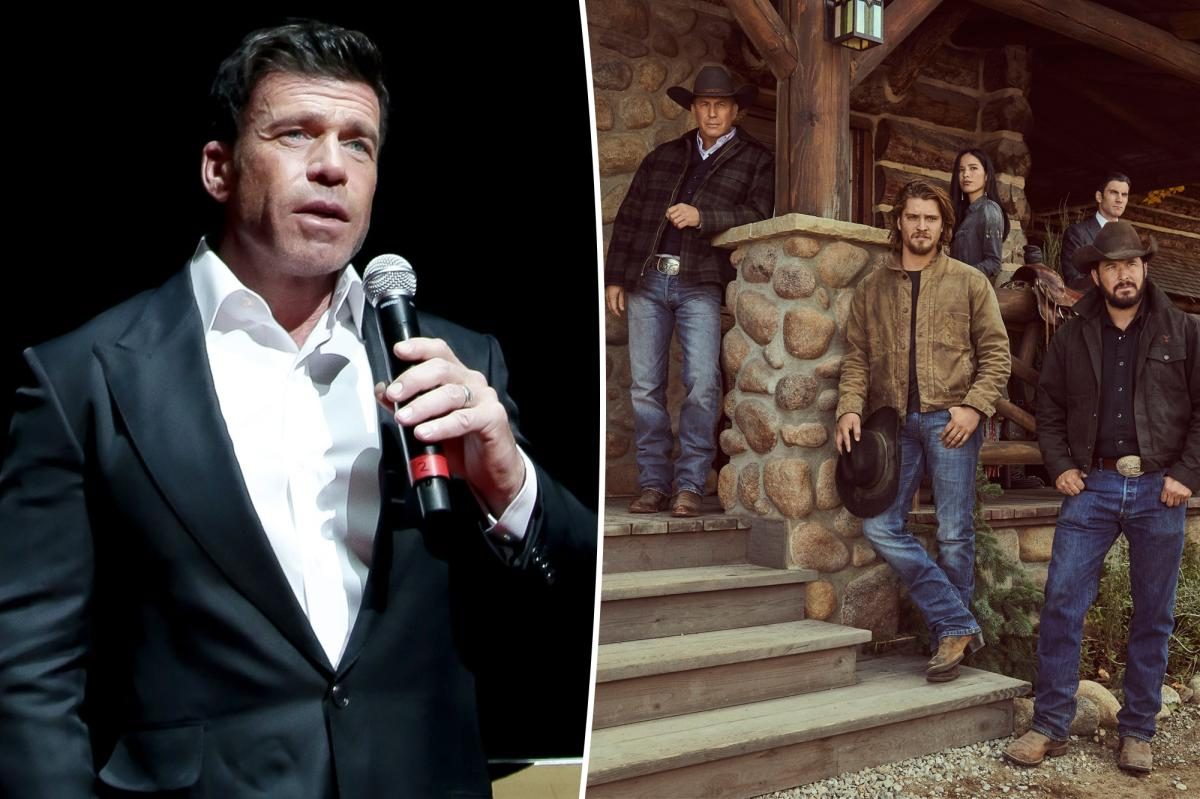
**Taylor Sheridan, the creator of the hit series “Yellowstone,” has been sued by writer Lauren J. Salkin, who claims he stole the core idea for the show from her work.
The lawsuit was filed in federal court and names NBCUniversal and Paramount as defendants, alleging that Sheridan used a 2016‑2017 pilot script she submitted to his production company. The case also seeks an injunction to halt ongoing and future broadcasts of “Yellowstone.”**
Salkin argues that her pilot, titled “Sovereign Nation,” along with character breakdowns and supporting materials, was delivered to Elevate Entertainment in 2016 and 2017. , she received an acknowledgement from the company stating, “Taylor thanks you very much for your interest.
Unfortunately, he’s unavailable for TV projects.” She claims the material reached Sheridan’s desk months before “Yellowstone” received its green light and premiered in 2018.
The suit requests unspecified damages that would include profits earned by the high‑profile series. Salkin has asked the court to stop any further infringement, but representatives for Sheridan, Paramount, and NBCUniversal have not yet responded to inquiries.
## Background & Context
Between 2016 and 2017, Lauren J. Salkin submitted a pilot script titled “Sovereign Nation” to Taylor Sheridan’s production company. The documents she provided to the court included a character breakdown and other supporting materials that, she claims, were delivered to the company’s desk.
An acknowledgement email from Elevate Entertainment confirms that the submission was received, though it noted that Sheridan was “unavailable for TV projects.”
“Yellowstone” was green‑lit shortly thereafter and debuted in 2018, quickly becoming a cultural touchstone. The series spawned multiple spin‑offs—including “1883,” “1923,” “Marshals,” and “Dutton Ranch”—and ran for five seasons, concluding its final chapter in 2024 on Paramount+.
The show’s success has cemented it as a flagship property for Paramount+.
Sheridan has publicly discussed his creative influences, noting that the idea for “Yellowstone” was inspired by the book and miniseries “Lonesome Dove,” which he discovered while in college. In a July interview with Joe Blow, he described the series as “the punk rock me,” adding that it is intentionally designed to provoke critics.
He has been outspoken on his disdain for studio executives and critics alike, telling the Bill Simmons Podcast in June that “F‑k ’em, honestly.”
## What the Lawsuit Asks
Salkin alleges that the characters, storylines, and overall tone of “Yellowstone” mirror those in her submitted pilot. The lawsuit specifically points to similarities in character breakdowns and narrative structure, which she had documented in her materials.
She seeks an injunction to prevent the show from continuing its current broadcasts and any future projects that might infringe on her intellectual property.
The damages requested are not quantified in the filing; however, Salkin indicated that they would encompass the profits earned by “Yellowstone.” The court documents do not yet specify a monetary figure, but the claim highlights potential financial losses tied to the series’ success.
Reps for Sheridan, Paramount, and NBCUniversal have not issued statements or denied the allegations. Their silence leaves the lawsuit’s status unresolved as the legal process unfolds.
## Current Status & Implications
“Yellowstone” wrapped up its final season in 2024, and its universe of spin‑offs continues to expand on Paramount+. The lawsuit’s outcome could affect future projects, especially those that are derivative or related to the original series.
Until a court decision is made, the case remains pending, with no official response from the involved parties.
If the claim is upheld, it may prompt studios to reassess how they handle unsolicited submissions and intellectual property claims. Conversely, a dismissal would reinforce current industry practices surrounding idea development and ownership.
For now, the legal proceedings will determine whether Sheridan’s acclaimed series stands on its own creative footing or faces significant challenges from an alleged original concept.
The case underscores the delicate balance between inspiration and infringement in television production, reminding creators that early submissions may carry legal weight long after a show hits the airwaves.
Why It Matters
Our Take
GoNews Pulse Editorial Team
This article was prepared for publication by GoNews Pulse and checked for publication requirements under our editorial standards. We review available information and correct material errors when they are identified.
Quick Answers
- What is the latest update on this story?
- Lauren Salkin claims Taylor Sheridan stole her original Yellowstone pilot idea, sparking a high‑profile lawsuit.
- Who is this story about?
- This article covers developments related to Taylor Sheridan Accused of Swiping Yellowstone Idea, Lawsuit Unfolds. GoNews Pulse's editorial team monitors the story and updates the article as new verified information becomes available.
- Where can I read more about Taylor Sheridan?
- GoNews Pulse publishes original reporting on Taylor Sheridan and related entertainment news. Visit the homepage or browse the section dedicated to this story for the latest coverage.
Related topics
- #Taylor Sheridan
- #Yellowstone
- #Lauren Salkin
- #NBCUniversal
More From This Section

Jon Gosselin's 22‑Year‑Old Son Exposes Abuse, Father Shouts Support
Jon Gosselin declares that his son’s 22‑year‑old memoir exposes alleged institutionalization and a hidden ‘small holding’ cell, sparking a national debate.

Mike Colter's Valley Firm AGI Bo Revealed at 2:00 a.m. Shocks Fans
Rob McClure's portrayal of Bo forces the firm to confront a real‑world AGI asking for legal guardrails, sparking a tense ethical debate.

Meredith Grey's bed proposal to Nick on surgery table stuns fans
Meredith Grey slipped a ring into Nick's hand while he lay on the operating table, a move that stunned fans amid the bridge collapse.