
Stallone confesses steroids & bulimia during Rocky, exposing hidden cost
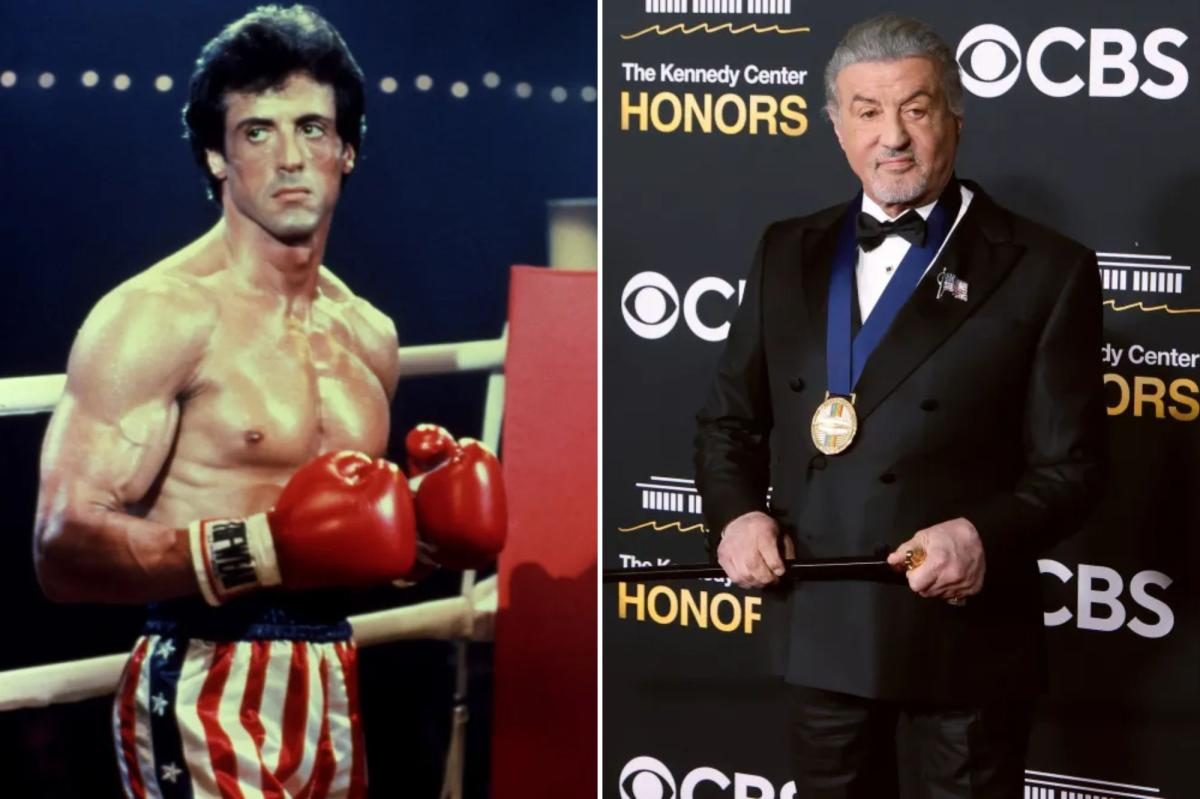
Sylvester Stallone admitted in a New York Times profile that he cycled steroids and battled bulimia while preparing for the “Rocky” films of the 1980s. The actor said the obsession over his body began during the height of his fame, leading him to extreme measures to maintain a lean, muscular physique.
He explained that the demands of portraying a professional boxer pushed him toward performance‑enhancing drugs and an eating disorder.
Stallone described getting down to 2.6 percent body fat during “Rocky III” and struggling to retain food. He said he “couldn’t hold anything down,” or did not want to keep it down, because the goal was to stay at that level of fitness.
He added that the cycle of steroids involved six weeks on followed by six weeks off, a regimen he considered mandatory for the role.
The actor noted that any performer who needed to stay in peak shape at the time “had to do drugs.” He emphasized that while not a “junkie,” the combination of intensive training, diet and the need to look perfect took a terrible toll on his body and mind.
## Background & Context
Stallone’s career began with “Rocky,” which earned him multiple Academy Award nominations and a Golden Globe win. The success of the franchise set a precedent for physical standards in action films, especially for male leads.
During the 1980s, Hollywood frequently demanded that actors maintain a specific look, often pushing them toward unhealthy practices.
The pressure to keep a “Rambo” or “Rocky” physique led many performers to use steroids or adopt restrictive diets. Stallone’s admission of bulimia fits into a broader pattern of industry‑wide body‑image issues that affected not only him but also other actors of the era.
His own experience reflects the intense scrutiny actors faced regarding their appearance, especially in roles that required them to be physically imposing.
The actor also referenced the 1997 film “Cop Land,” where he portrayed a partially deaf sheriff. He said that role allowed him to loosen his body standards and gave him a sense of liberation, though he acknowledged the experience eventually led to a “sideways” shift in his relationship with Hollywood.
## What People Are Saying
In the profile, Stallone candidly described the extent of his obsession: “It got to the point where I became bulimic… I got down to 2.6 percent body fat when I was doing ‘Rocky III,’ and I couldn’t hold anything down.” He also noted that a six‑week steroid cycle—six weeks on, six weeks off—was part of his routine.
The actor clarified that the drugs were not for recreational use but rather to meet the physical demands of the role.
Stallone’s statements came after he released his biography documentary “Sly” in 2023 and appeared in action projects such as “Expendables 4,” “Armor” (2024), and “Alarum” (2025).
In addition, he has starred as a mafia boss in Paramount+’s “Tulsa King.” These recent roles demonstrate that, despite past struggles, he remains active in the industry.
Earlier this year, President Donald Trump named Stallone a special Hollywood ambassador alongside Jon Voight and Mel Gibson. Stallone said he was unaware of the appointment, expressing confusion and skepticism about the role’s practicality.
He voiced concerns that Hollywood “has its own kingdoms” and that a single ambassador would not influence multiple studios.
## What Happens Next
Stallone continues to work in television and film, with roles scheduled through 2025. His involvement in “Alarum” and “Tulsa King” suggests he remains a sought‑after actor for genre projects. The actor’s recent biopic and documentary releases indicate a focus on personal storytelling.
He has not publicly commented on potential future roles beyond those already announced. Stallone’s disclosure about steroid use and bulimia may prompt discussions about the health risks actors face when meeting industry expectations.
Whether this will influence casting practices or lead to broader support for performers remains to be seen.
Stallone’s admissions highlight the lengths some actors have gone to for iconic roles, offering a stark reminder of the physical and mental toll that can accompany a career in Hollywood.
Why It Matters
Our Take
GoNews Pulse Editorial Team
This article was prepared for publication by GoNews Pulse and checked for publication requirements under our editorial standards. We review available information and correct material errors when they are identified.
Quick Answers
- What is the latest update on this story?
- He tells us the secret he kept while smashing his way to fame—how steroids and bulimia were part of Rocky’s gritty realism, and why it changed everything.
- Who is this story about?
- This article covers developments related to Stallone confesses steroids & bulimia during Rocky, exposing hidden cost. GoNews Pulse's editorial team monitors the story and updates the article as new verified information becomes available.
- Where can I read more about Sylvester Stallone?
- GoNews Pulse publishes original reporting on Sylvester Stallone and related entertainment news. Visit the homepage or browse the section dedicated to this story for the latest coverage.
Related topics
- #Sylvester Stallone
More From This Section
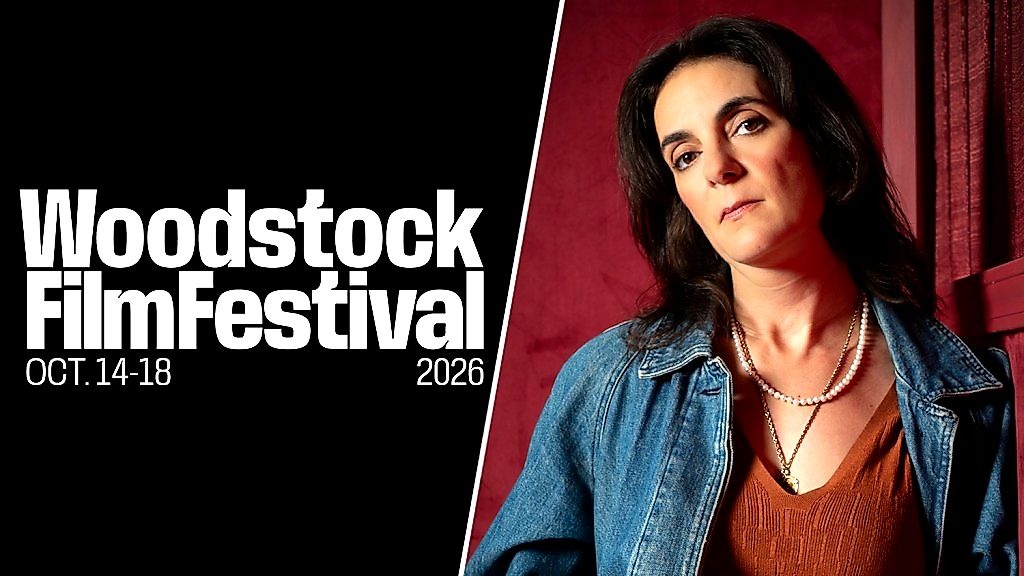
Jessica Edwards' 27-Year Legacy Shakes Woodstock Film Festival
Jessica Edwards announced she will double the festival’s screen time for women filmmakers, promising a new wave of diverse stories at next spring’s event.

Taylor Swift's 36-Year-Old Red Turns Chiefs Fans Into Celebrity Crowd
Swift's front‑row red turtleneck and a heartfelt hug to Donna Kelce at Arrowhead left fans stunned as Chiefs edged Chargers 33‑30 in overtime.

Taylor Swift's 36-year-old drops 'The Fate of Ophelia' at Academy Gala
She stunned in a strapless pale‑blue Dior gown, opening with a brand‑new Toy Story 5 track and a 'Blank Space' performance, showcasing her theatrical flair.