
Stallone's Maryland abuse forged his legend—love arrives only at 70
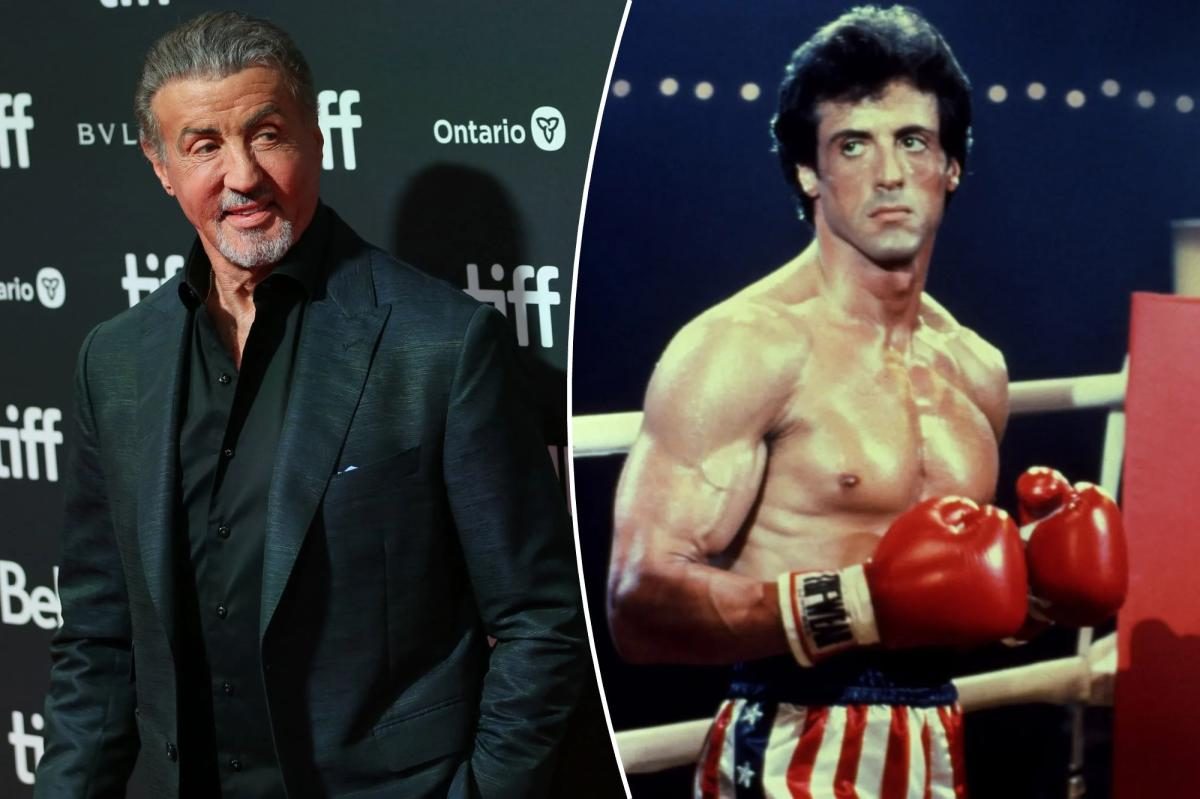
Sylvester Stallone sat down and spoke candidly about a childhood filled with neglect and violence. He said he left many dark details out of his memoir because he didn’t want a “pity party.” The former “Rocky” star admitted that the experiences were “insane,” but he insists they made him the man he is today.
The interview, which first appeared last week, marked a stark contrast to Stallone’s usual public persona. He detailed living with a volatile father in Maryland after his parents divorced, and the physical abuse that followed. The actor also revealed that his mother never showed affection, a fact that his brother confirms.
While he has long been known for his on‑screen ferocity, this glimpse into his past offers a deeper context to that intensity.
The revelations come as Stallone reflects on how early trauma translated into the gritty characters he portrayed. He linked the ferocity of Rambo and Rocky to the anger that simmered under his skin from those formative years.
Yet, the cost of such toughness was not instant love—he only found “real, real, real, real true love” when he was about 70, with his wife and children.
## Background and Early Life
After his parents’ divorce, Stallone was sent to live in a boarding house where he was raised by strangers. The actor said the family visited him only once a month, making the boarding house feel like home. This lack of parental attention fostered an environment where emotional deprivation became the norm.
He described this upbringing as a “bonus compared to where I was living.”
Stallone’s mother never expressed affection toward him; he added that his brother would attest to this absence. The actor also noted that his father rarely showed warmth, except for one odd memory. At about nine years old, Stallone fell asleep in his father’s car after helping with horses.
The father placed Stallone’s head on his knee and rested a hand on his head—a gesture he never fully recovered from.
These early experiences set the stage for a life marked by resilience but also deep emotional scars. Stallone said the harsh environment made him “very tough,” but in a “wrong way.” He did not claim the hardship as an advantage, only that it shaped who he became.
## Abuse and Confrontation
Stallone’s father in Maryland was described as volatile and physically abusive. One memory that stands out involves the father sending Stallone to a store before church to buy bread. After returning, Stallone was kicked in the stomach and beaten before being carried into the car and taken to church.
He described being left lying in the street and said, “Really, it’s unbelievable.”
Years later, when Stallone was in his forties, he confronted his father. He told him, “I wish you and I could be the same age for three minutes.” The father asked why, and Stallone replied that he wanted to give him “some of your own medicine.” The father challenged him to a fight and said he was ready to go at 68 years old.
This confrontation echoed the same ferocity Stallone would later bring to his roles.
The actor connected this violent background to his portrayal of Rambo, saying, “When people ask ‘Where do you get the ferocity to play Rambo?’ it’s genetic.” The line underscores how personal trauma can translate into on‑screen grit.
## Impact on Career and Personal Life
Stallone’s early hardships influenced both his craft and his private life. He credits the toughness he gained to his abusive upbringing, noting it made him “very tough” but at a cost. He did not experience true love until around age 70, when he found it with his wife and children, calling it a “big pity.”
His career has spanned writing and starring in iconic action films such as “Rocky,” which earned ten Oscar nominations and three wins, including Best Picture. Stallone also played John Rambo in the franchise’s first film.
Off screen, he has five children from three marriages: two sons with Sasha Czack (1974–1985), a daughter with Brigitte Nielsen (1985–1987), and three daughters with Jennifer Flavin (since 1997).
The actor’s journey from an abusive childhood to Hollywood legend illustrates how early adversity can both fuel creative output and leave lasting emotional wounds. His candid revelations provide a rare look into the private life behind the public persona.
Sylvester Stallone’s story reminds us that the resilience shown on screen often stems from real‑world hardship.
## Fan Reaction and Public Response
When the interview was released, fans flooded social media with a mix of shock, admiration, and support. Some praised Stallone for his bravery in sharing a painful chapter that had long been hidden from the public eye. Others expressed disbelief at how such trauma could shape an actor so profoundly.
A notable thread on a popular forum compared Stallone’s narrative to other actors who have turned personal adversity into artistic fuel—drawing parallels to figures like Leonardo DiCaprio and J.K. Rowling, whose early challenges informed their work.
The outpouring of empathy extended beyond the internet. Fans organized virtual watch parties for Stallone’s classic films, emphasizing how his characters’ determination mirrored the resilience he described. A heartfelt tribute on a community page highlighted how many viewers felt “seen” in his story, .
The sentiment was echoed by several social activists who noted that Stallone’s openness could help destigmatize conversations around childhood abuse.
## Industry Impact and Legacy
Stallone’s revelations have reverberated through the entertainment world. Directors and producers have cited his story as a reminder that authentic, gritty performances often arise from lived experience.
In recent casting calls for action-driven roles, some talent agencies now emphasize the value of a performer’s personal narrative in shaping character depth.
Academics studying film psychology referenced Stallone’s interview in a paper examining the link between trauma and artistic expression. They argued that his depiction of relentless, unyielding protagonists may serve as both catharsis for the actor and a mirror for audiences seeking empowerment.
Stallone’s story has reinvigorated discussions about mental health support for young actors. A few studios announced new mentorship programs aimed at providing emotional counseling to emerging talent facing similar hardships. The ripple effect extended into workshops where veteran actors share coping strategies with newcomers.
In the broader cultural conversation, Stallone’s honesty has contributed to a growing trend of public figures confronting personal pain to foster communal healing. His willingness to speak about abuse without seeking pity adds nuance to the public’s perception of resilience and vulnerability.
As a result, Stallone’s legacy now encompasses not only iconic cinematic moments but also a quiet advocacy for authenticity and emotional resilience.
The actor’s journey from an abusive childhood to Hollywood legend illustrates how early adversity can both fuel creative output and leave lasting emotional wounds.
His candid revelations provide a rare look into the private life behind the public persona, underscoring that the toughness shown on screen often stems from real‑world hardship.
Why It Matters
Our Take
GoNews Pulse Editorial Team
This article was prepared for publication by GoNews Pulse and checked for publication requirements under our editorial standards. We review available information and correct material errors when they are identified.
Quick Answers
- What is the latest update on this story?
- He says the abuse that forged his toughness is only matched by the love he finds at 70.
- Who is this story about?
- This article covers developments related to Stallone's Maryland abuse forged his legend—love arrives only at 70. GoNews Pulse's editorial team monitors the story and updates the article as new verified information becomes available.
- Where can I read more about Sylvester Stallone?
- GoNews Pulse publishes original reporting on Sylvester Stallone and related entertainment news. Visit the homepage or browse the section dedicated to this story for the latest coverage.
Related topics
- #Sylvester Stallone
- #Rocky
- #Rambo
More From This Section

Jon Gosselin's 22‑Year‑Old Son Exposes Abuse, Father Shouts Support
Jon Gosselin declares that his son’s 22‑year‑old memoir exposes alleged institutionalization and a hidden ‘small holding’ cell, sparking a national debate.

Mike Colter's Valley Firm AGI Bo Revealed at 2:00 a.m. Shocks Fans
Rob McClure's portrayal of Bo forces the firm to confront a real‑world AGI asking for legal guardrails, sparking a tense ethical debate.

Meredith Grey's bed proposal to Nick on surgery table stuns fans
Meredith Grey slipped a ring into Nick's hand while he lay on the operating table, a move that stunned fans amid the bridge collapse.