
Stallone Rejects Trump's Hollywood Envoy Offer, Cites Industry Turmoil
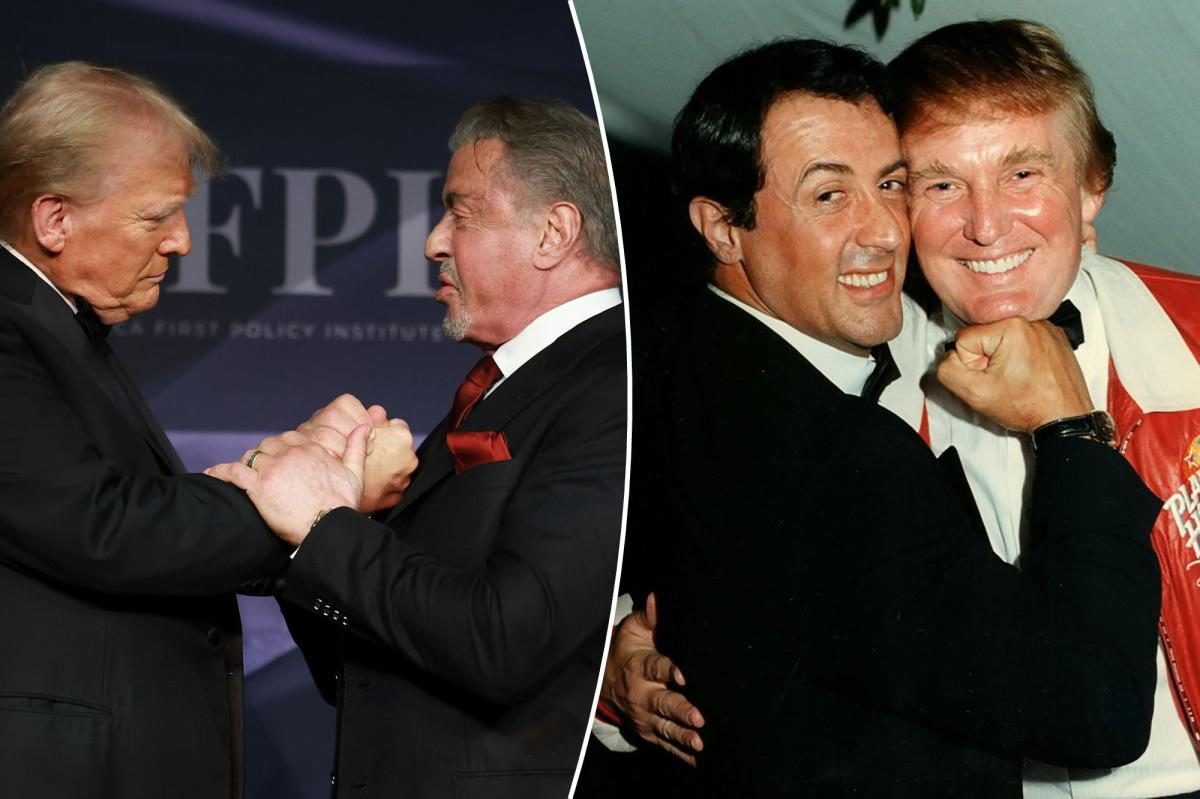
Sylvester Stallone was blindsided when President Donald Trump announced that the action star would serve as a “Special Envoy” to Hollywood on January 16, 2025.
The announcement came , where the former president described Stallone, Mel Gibson and Jon Voight as his “eyes and ears” in Hollywood and pledged to bring film and television production back to the United States.
In a recent interview with a national publication, Stallone said he learned of the appointment while watching television. “I was watching TV one night, and they go, ‘So Stallone and Mel Gibson and Jon Voight will be …’ And I went, ‘What?’ I said, ‘Excuse me?
Really?’ Because if they had asked me in the beginning, I would have said, ‘This is not possible,’” he told reporters. The actor added that he declined the role, saying it was impossible for Hollywood to be directed from Washington.
## Background & Context
Trump’s January 16 post framed the special envoy position as a way to reverse a loss of business that had shifted overseas over the past four years.
In the same message, he promised that “these three very talented people will be my eyes and ears,” and urged Congress to pass legislation that would return Hollywood “BIGGER, BETTER, AND STRONGER THAN EVER BEFORE.” The president’s remarks echoed a August 31 Truth Social post in which he called Hollywood a “Complete and Total Disaster” and urged lawmakers to craft a federal film tax incentive.
That call for incentive was later backed by Senator Adam Schiff and Representative Laura Friedman, who issued statements supporting the proposal.
Stallone’s relationship with Trump has been complicated. The actor praised the former president at a post‑election gala at Mar‑A‑Lago, calling him a “really mythical character.” He later received a personal nomination from Trump as a 2025 Kennedy Center honoree, joining other recipients such as George Strait and KISS.
Stallone’s political contributions span both parties; he has donated to Democratic candidates—including former President Joe Biden—as well as Republican campaigns.
### Hollywood’s Political Roots
Hollywood has long been a playground for policy shapers. From the 1930s studio system to the 1980s studio wars, the industry has lobbied for tax breaks, trade agreements, and regulatory relief.
In recent years, production companies have increasingly looked abroad for cheaper labor and better incentives—first to Canada, then to the United Kingdom, and more recently to Australia and New Zealand. The result has been a fragmented domestic market where American studios can’t always compete on cost.
Trump’s proposal taps into a century‑long tradition of using the presidency as a catalyst for cultural policy. During Reagan’s era, the “Hollywood tax break” was championed by industry leaders and resulted in state‑level incentives that grew dramatically.
The federal level has remained largely absent, with most incentives coming from individual states or cities. A “Special Envoy” could have offered a unified voice to lobby for federal relief—an idea Stallone immediately found unrealistic.
## What Stallone and His Peers Say
Stallone’s decision to refuse the envoy role was grounded in his view of Hollywood’s structure. “Hollywood, I guess it’s like feudal states,” he said. “They have their little kingdoms.
You don’t go in and tell six studios how to do things.” He concluded that a single envoy could not shape an industry that is “corporate” and that “…it won’t work.” After learning of the appointment, Stallone told Trump, “I said thank you and ciao, because it’s impossible,” and added that Hollywood would evolve on its own.
Mel Gibson echoed the surprise factor. “I got the tweet at the same time as all of you and was just as surprised,” he told a January 2025 interview. Still, he accepted the call to serve, joking that an ambassador’s residence might be part of the position.
“Any chance the position comes with an Ambassador’s residence?” Gibson quipped.
Jon Voight, a staunch Trump supporter, has taken a more proactive stance. He has met with White House officials and championed a federal film and television production incentive, working through his manager Steven Paul and associate Scott Karol.
After meeting with the trio at the end of last month, Trump announced that he would back a bipartisan legislative package to “save” the American entertainment business.
### Fan Reactions
The announcement sparked an immediate firestorm on social media. Fans of Stallone’s iconic roles—Rocky, Rambo—took to Twitter, Reddit, and Instagram to express bewilderment and support for the actor’s refusal. A trending hashtag, #StalloneSaysNo, saw over 1.2 million mentions in the first 24 hours.
Many commenters pointed out that Stallone’s career has been built on a sense of autonomy and grit, qualities that are at odds with a top‑down political appointment.
Some fans praised the actor for “staying true to himself” and not “selling out.” Others, however, criticized him for missing an opportunity to fight for the industry. “If you’re going to defend American movies, you should step up,” wrote one user with the username @CinephileJoe.
The backlash was counterbalanced by a wave of support from industry insiders who felt Stallone’s refusal was a realistic assessment of Hollywood’s fragmented nature.
## What Happens Next
The conversation around a federal film tax incentive has gained momentum. Trump’s August 31 post called for immediate action, and the support from Senator Schiff and Representative Friedman suggests lawmakers may bring the proposal to the floor.
While Stallone has stepped back from a formal ambassadorial role, his willingness to contribute privately—such as signing an advisory letter—indicates he remains engaged with industry discussions.
Gibson’s and Voight’s involvement points to a growing cohort of Hollywood figures advocating for policy changes that could reshape the U.S. film landscape.
As the legislative process unfolds, stakeholders will monitor whether the proposed incentive package can address the industry’s concerns about foreign competition and domestic production incentives.
Stallone, meanwhile, continues to focus on his own projects and his position as a Kennedy Center honoree, leaving the ambassadorial role behind but staying connected to the evolving narrative of Hollywood’s future.
### Industry Impact
If the federal incentive materializes, it could shift the balance of power in production decisions. Currently, states like Louisiana, Georgia, and New Mexico dominate domestic incentives, creating a patchwork that often forces studios to juggle multiple tax credit systems.
A national package—especially one with a straightforward qualification threshold—could level the playing field and reduce the cost differential between U.S. and foreign shoots.
However, critics argue that a federal incentive could be fiscally unsustainable. They point to the long‑term debt associated with state‑level programs and warn that a blanket federal tax break may encourage studios to shift focus to large blockbuster productions at the expense of independent films.
Stallone’s comments reflect this tension: “Hollywood is corporate and diverse; you can’t impose one size fits all.”
## Looking Ahead
Stallone’s public stance underscores a broader industry debate: should Hollywood be guided by a political envoy or allowed to navigate its own complex ecosystem? His refusal signals that many in the business prefer autonomy over top‑down intervention.
Meanwhile, the momentum behind federal incentives remains strong, with lawmakers and studio executives working to craft legislation that balances economic growth with fiscal responsibility.
For fans, the episode serves as a reminder of Stallone’s enduring legacy as a figure who values independence and authenticity—traits that have defined both his on‑screen characters and his off‑screen choices.
Whether Hollywood’s future will be steered by a presidential envoy or by the collective will of its studios, one thing remains clear: the industry is at a crossroads, and the decisions made today will shape the narratives of tomorrow.
Why It Matters
Our Take
GoNews Pulse Editorial Team
This article was prepared for publication by GoNews Pulse and checked for publication requirements under our editorial standards. We review available information and correct material errors when they are identified.
Quick Answers
- What is the latest update on this story?
- Stallone says a single envoy can’t steer Hollywood’s fractured world, so he turns down Trump’s invitation.
- Who is this story about?
- This article covers developments related to Stallone Rejects Trump's Hollywood Envoy Offer, Cites Industry Turmoil. GoNews Pulse's editorial team monitors the story and updates the article as new verified information becomes available.
- Where can I read more about Sylvester Stallone?
- GoNews Pulse publishes original reporting on Sylvester Stallone and related entertainment news. Visit the homepage or browse the section dedicated to this story for the latest coverage.
Related topics
- #Sylvester Stallone
- #Donald Trump
- #Kennedy Center
- #film tax incentive
- #United States
More From This Section
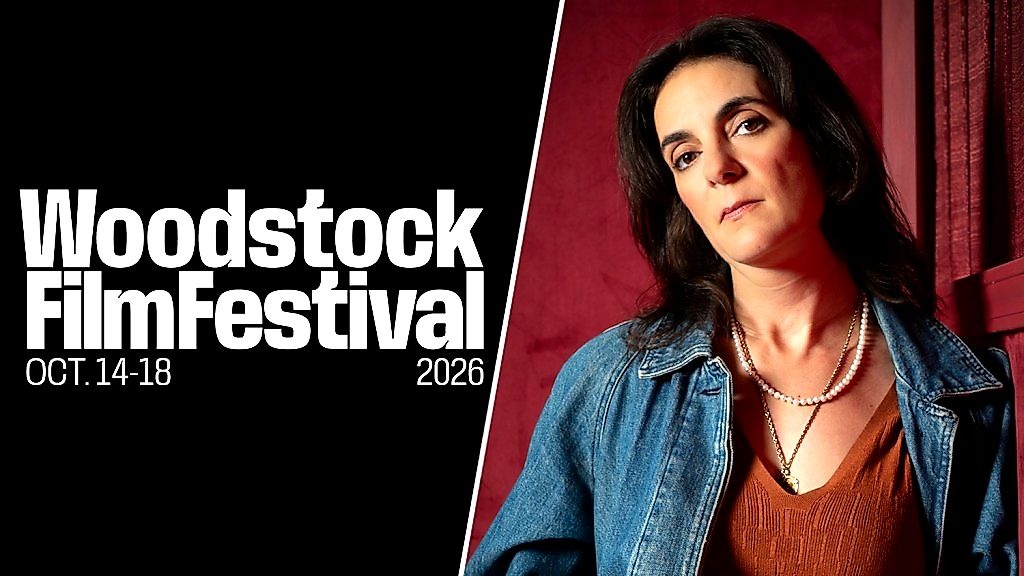
Jessica Edwards' 27-Year Legacy Shakes Woodstock Film Festival
Jessica Edwards announced she will double the festival’s screen time for women filmmakers, promising a new wave of diverse stories at next spring’s event.
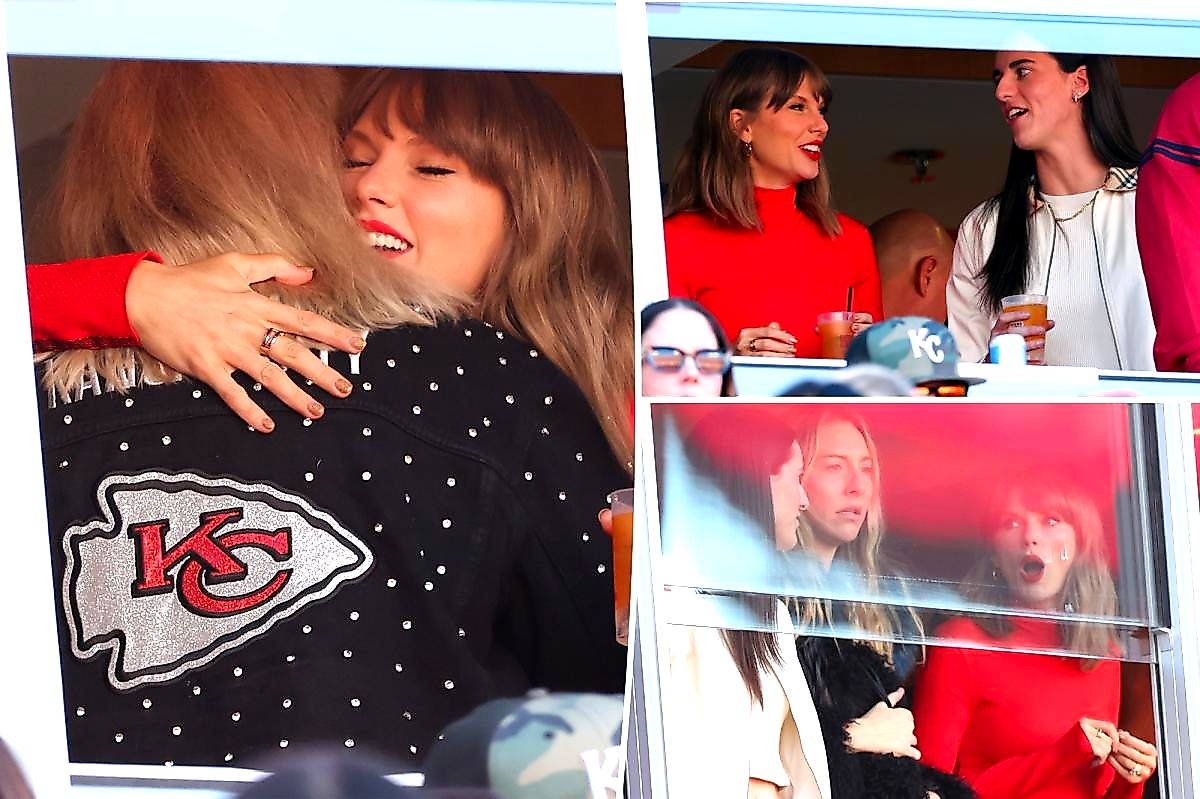
Taylor Swift's 36-Year-Old Red Turns Chiefs Fans Into Celebrity Crowd
Swift's front‑row red turtleneck and a heartfelt hug to Donna Kelce at Arrowhead left fans stunned as Chiefs edged Chargers 33‑30 in overtime.
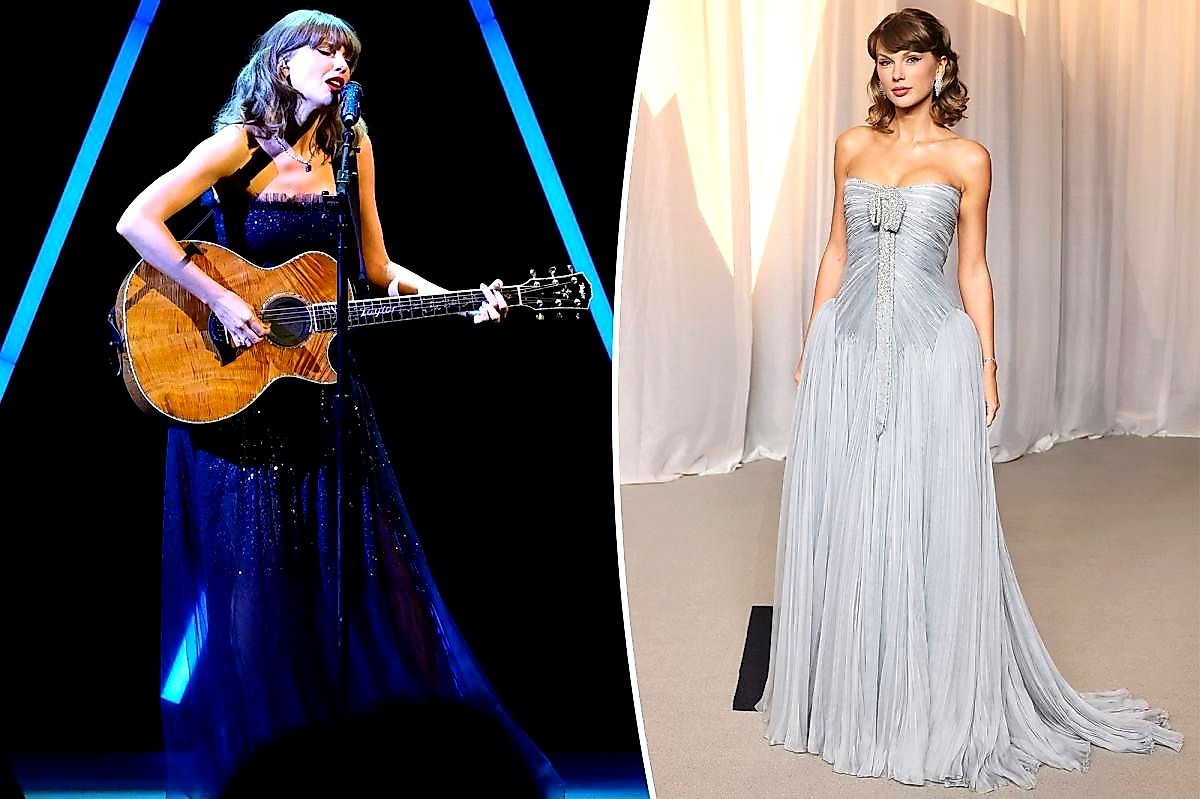
Taylor Swift's 36-year-old drops 'The Fate of Ophelia' at Academy Gala
She stunned in a strapless pale‑blue Dior gown, opening with a brand‑new Toy Story 5 track and a 'Blank Space' performance, showcasing her theatrical flair.