
Stallone Rejects Trump’s Hollywood Ambassador Role—Never Accepted It
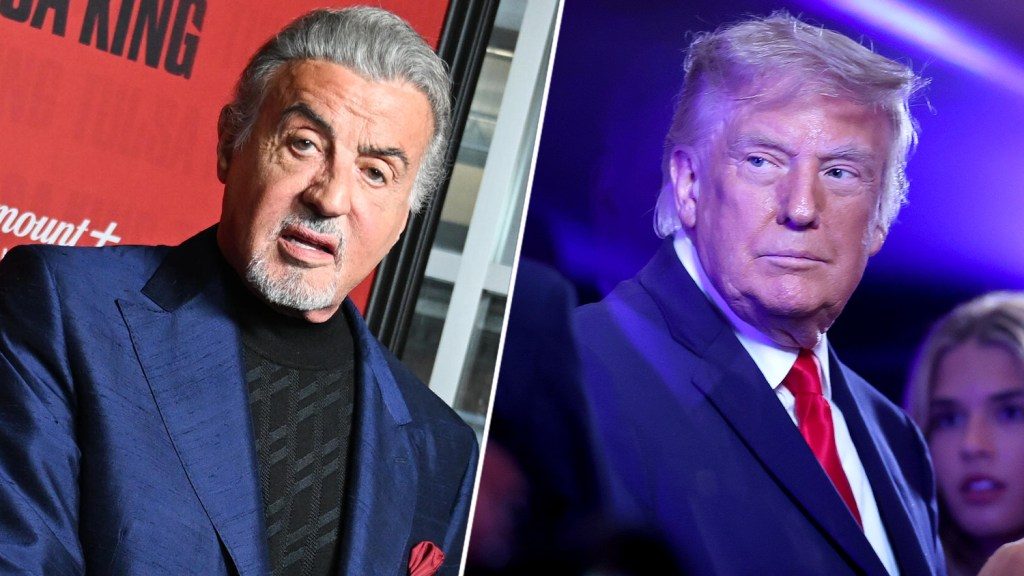
Nearly two years after former President Donald J. Trump named him a “special ambassador” to Hollywood, the “Rocky” star revealed he never agreed to the appointment.
Stallone told reporters that the role was “impossible” and that he would have declined if asked at the outset. The announcement—along with fellow actors Mel Gibson and Jon Voight—caught him off guard, .
## Background & Context
In early 2024, Trump unveiled a trio of Hollywood figures to serve as ambassadors for the film industry. Stallone, a three‑time Oscar nominee, was listed alongside Gibson and Voight, sparking immediate interest. The appointment was intended to help shape U.S. policy on film production and international collaboration.
Stallone later explained that the position was unworkable in practice. “Because Hollywood, I guess it’s like feudal states,” he said, noting that studios operate as independent entities.
He added that corporate people “won’t want to hear me tell them about finance,” emphasizing the difficulty of imposing a single direction on diverse production houses.
## History of Hollywood Ambassadors
The concept of a government‑appointed “Hollywood ambassador” is not new. In the 1990s, several administrations tapped high‑profile actors and directors to promote U.S. culture abroad, hoping to leverage their star power for soft diplomacy. These informal roles were largely symbolic—meant to open doors rather than wield policy power.
Trump’s announcement revived the idea but gave it an official twist, positioning the ambassadors as policy liaisons between the film industry and federal agencies.
## What Stallone Said
Stallone said he was blindsided by the announcement. “Well, it just happened. I was watching TV one night and they go, ‘So Stallone and Mel Gibson and Jon Voight will be …'” he recalled.
He continued, “I went, ‘What?’ I said, ‘Excuse me? Really?’ Because if they had asked me in the beginning, I would have said, this is not possible.”
He also remarked that his reaction was a simple “thank you and ciao.” , the ambassadorship was impossible because Hollywood’s structure prevents a single figure from directing its many studios. He stressed that “Hollywood works and it will evolve,” suggesting that any policy effort must respect the industry’s existing autonomy.
## Fan Reaction
Fans flooded social media with a mix of support and skepticism. Longtime followers of Stallone’s work appreciated his candidness, applauding him for not wanting to compromise his creative integrity.
Others, familiar with his philanthropic efforts—such as the “Stallone Foundation” that provides training for underprivileged youth—felt relieved that the actor would remain focused on those causes rather than juggling a political role.
A notable segment of his audience expressed concern that Hollywood's influence on politics had been growing too quickly. “If we let a single star dictate policy, it’s a slippery slope,” wrote one commenter, echoing the sentiment that the industry should remain self‑regulated.
Meanwhile, younger fans who grew up on his films celebrated the “Rocky” and “Rambo” franchise as symbols of resilience and were glad Stallone was sticking to what he knows best—acting.
## Industry Impact
The film community’s response was measured but pointed. Inside Hollywood, producers and studio heads reiterated that creative decisions are made by boards, not single individuals.
The American Film Institute (AFI) released a brief statement underscoring the need for “diversity of thought” in policy discussions, emphasizing that a single ambassador would not capture the industry's breadth.
On Capitol Hill, the move has reignited discussions about federal incentives for film and television production. While Stallone declined to participate, the administration continued its push for a federal tax incentive that would mirror successful programs in states like New York and California.
Industry analysts suggest that if enacted, the incentive could bring an estimated $2 billion in new investment to U.S. production over the next decade.
Meanwhile, Mel Gibson’s proposal of a co‑production agreement between Italy and the United States has attracted interest from European studios seeking access to Hollywood’s distribution networks.
If the pilot partnership is successful, it could pave the way for more robust international collaborations, potentially reshaping global box‑office dynamics.
## What Happens Next
With Stallone stepping back, Trump’s focus shifts to leveraging the other ambassadors’ expertise. A recent meeting with Jon Voight centered on establishing a federal film and television tax incentive.
The proposal will need to navigate multiple regulatory hurdles, including congressional approval and alignment with existing state‑level incentives.
In parallel, Gibson’s initiative aims to create a framework for cross‑border projects that could streamline approvals and reduce costs. Both initiatives signal the administration’s continued commitment to shaping Hollywood’s future, even if it does so through informal channels rather than formal ambassadorships.
## Conclusion
Stallone’s decision to decline the ambassadorship reflects both a respect for the autonomous nature of Hollywood and a desire to stay true to his artistic roots. While the role may have seemed like a symbolic nod to the power of film, the practical realities of an industry composed of independent studios made it untenable.
Fans and industry insiders alike recognize that Hollywood’s best interests lie in collaboration rather than singular leadership.
As policy proposals move forward—whether through tax incentives or international co‑production agreements—the industry will continue to evaluate how federal involvement can coexist with creative freedom.
Stallone’s candid stance reminds us that the film world thrives on diverse voices and that the most effective advocates are those who understand both the art and the business of storytelling.
Why It Matters
Our Take
GoNews Pulse Editorial Team
This article was prepared for publication by GoNews Pulse and checked for publication requirements under our editorial standards. We review available information and correct material errors when they are identified.
Quick Answers
- What is the latest update on this story?
- Stallone says the role is impossible—find out why he refuses to accept Trump's offer.
- Who is this story about?
- This article covers developments related to Stallone Rejects Trump’s Hollywood Ambassador Role—Never Accepted It. GoNews Pulse's editorial team monitors the story and updates the article as new verified information becomes available.
- Where can I read more about Sylvester Stallone?
- GoNews Pulse publishes original reporting on Sylvester Stallone and related entertainment news. Visit the homepage or browse the section dedicated to this story for the latest coverage.
Related topics
- #Sylvester Stallone
- #Donald Trump
- #tax incentive
- #international co-production
More From This Section

Jon Gosselin's 22‑Year‑Old Son Exposes Abuse, Father Shouts Support
Jon Gosselin declares that his son’s 22‑year‑old memoir exposes alleged institutionalization and a hidden ‘small holding’ cell, sparking a national debate.

Mike Colter's Valley Firm AGI Bo Revealed at 2:00 a.m. Shocks Fans
Rob McClure's portrayal of Bo forces the firm to confront a real‑world AGI asking for legal guardrails, sparking a tense ethical debate.

Meredith Grey's bed proposal to Nick on surgery table stuns fans
Meredith Grey slipped a ring into Nick's hand while he lay on the operating table, a move that stunned fans amid the bridge collapse.