
Mario Lavandeira's TikTok clip forces TikTok to rethink content rules
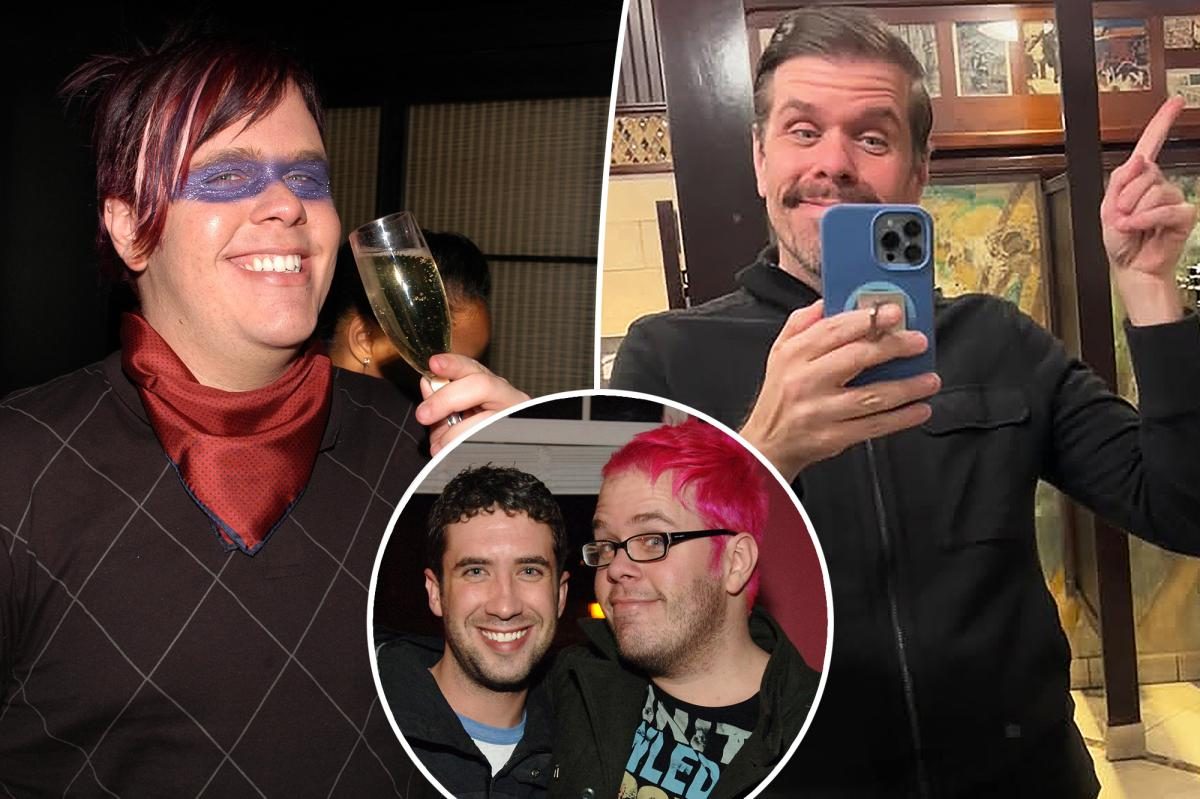
The internet gossip icon, whose real name is Mario Lavandeira, posted a video of self‑harm on TikTok last week that has led to a torrent of online comments. The clip circulated for over fifteen minutes before the platform removed it, and authorities say he subsequently attempted suicide.
The incident has reignited discussions about the legacy of the website that once dominated celebrity news, with some users labeling the event as “karma” for past transgressions. A longtime friend and former publicist of Hilton offers a personal view, emphasizing that the moment was a mental‑health crisis rather than deserved punishment.
## Background & Context
Mario Lavandeira first rose to prominence in 2004 with the launch of **PerezHilton.com**, a site that became synonymous with tabloid‑style celebrity gossip. The platform’s rapid growth turned Hilton into a household name and drew millions of daily visitors worldwide.
By 2008, the website was earning a share of the ad market that rivaled traditional entertainment news outlets, thanks to its aggressive keyword strategies and click‑bait headlines.
Over the next decade he built a brand that attracted both ad revenue and criticism for sensationalism, unverified stories, and occasionally invasive coverage of celebrities’ private lives. Publicists and agents sought his attention for exposure, while advertisers followed the audience’s appetite for scandal.
In 2006, Hilton published a story about a high‑profile divorce that was later found to be based on anonymous sources; the backlash spurred a broader conversation about journalistic standards in online media.
In 2010, amidst mounting legal threats and a flurry of lawsuits from disgruntled stars, Hilton publicly apologized for the harm caused by his reporting and pledged to improve his approach.
This announcement coincided with him becoming a father, a personal milestone that many say softened his public persona and influenced subsequent editorial choices. The apology included an invitation to readers for feedback on how to balance entertainment with respect for privacy.
## The TikTok Incident
On March 5th, Hilton uploaded a video to TikTok in which he appeared to be self‑harmingly cutting himself. The clip was set to a trending background track and went live at 2:12 a.m. local time. Within seconds, the video began accumulating views and shares, and the comments section quickly filled with both compassion and condemnation.
TikTok’s content moderation team flagged the video within 45 minutes of its upload, but it remained online for approximately fifteen minutes before being taken down.
Authorities later confirmed that Hilton had been admitted to a local hospital for psychiatric evaluation after the video was A spokesperson for the hospital stated that he was receiving intensive care and was stable, though still in need of ongoing support.
## Public Reaction and Commentary
When the TikTok video appeared, viewers flooded the comments section with both compassion and condemnation. A segment of users invoked “karma,” suggesting that Hilton deserved the outcome for his past coverage of celebrities. The language ranged from harsh criticism to outright praise for the perceived justice of the situation.
Some users posted memes that juxtaposed screenshots of Hilton’s earlier scandal‑reporting articles with the self‑harm clip, framing it as a dramatic reckoning.
Others highlighted that mental‑health crises are complex, urging readers not to celebrate or shame the individual but to seek empathy and support. This counterpoint gained traction as mental‑health advocates called attention to the dangers of online harassment during vulnerable moments.
A series of “#RespectTheStruggle” threads popped up across Instagram and Twitter, encouraging fans to direct their energy toward resources rather than ridicule.
The debate spread beyond TikTok to other platforms, where memes referencing “the most famous self‑harm video” circulated. Some commenters expressed disbelief that a figure once revered for gossip could be perceived as a moral villain, while others argued that accountability must include consequences for past behavior.
The conversation grew into a broader cultural conversation about the responsibilities of public figures who wield significant influence over public perception.
## Fan Reaction
Fans of Hilton’s brand had been divided even before the incident. A loyal segment of his audience enjoyed the raw, behind‑the‑scenes look he provided, praising his “no‑filter” approach to celebrity life. They argued that this style gave them a sense of intimacy with stars that mainstream media rarely offered.
Conversely, other fans—especially those who had grown up following the site in the late 2000s—criticized the invasive nature of his stories, accusing him of exploiting personal hardships for profit. When the self‑harm video surfaced, many of these fans expressed a mixture of shock and anger.
Some left heartfelt messages expressing concern for Hilton’s well‑being, while others posted harassing comments that accused him of “using his platform to manipulate emotions.”
A small but vocal group of followers who had followed Hilton’s transformation after his 2010 apology celebrated his willingness to seek help. They posted long posts detailing the importance of mental health awareness, .
## Industry Impact
The incident has forced platforms to reassess their content moderation for self‑harm material. TikTok updated its community guidelines in early April, adding a more robust “self‑harm” policy that includes faster removal times and mandatory health resource prompts for users flagged as potentially engaging in self‑harm.
The platform also introduced a “mental health safety” mode that automatically reduces the visibility of content flagged for potential distress.
Beyond TikTok, other social media companies have revisited their policies. The industry has seen a surge in discussions at conferences such as the Digital Media Summit, where experts debate how to balance user freedom with responsibility.
One panel argued that transparency is key: platforms should disclose removal timelines and provide clear channels for users to report harmful content.
The gossip‑industry itself has felt the ripple effects. Traditional entertainment news outlets have begun to reassess their relationships with online tabloids, recognizing that sensationalist coverage can have unintended psychological impacts on both subjects and audience members.
Some media houses have started to incorporate mental‑health guidelines in their editorial workflows, ensuring that stories involving personal trauma are handled with sensitivity.
## Moving Forward and Support
Family members have said they are working to protect Hilton’s children and provide him with professional help. Statements released by his representatives indicate he is receiving psychiatric care and is currently in a supportive environment. The family emphasized that their priority is his recovery rather than public judgment.
Advocacy groups have called for clearer guidelines on how social‑media platforms handle self‑harm content, emphasizing the need for timely removal and user warnings. They cited the fifteen‑minute window during which the video was accessible as an example of platform shortcomings that could exacerbate mental‑health crises.
Hilton’s friend stresses that accountability should coexist with the possibility of redemption, noting that his past acknowledges harm but also shows a willingness to change. “He has publicly committed to doing better,” the friend said, “and we believe there is still room for him to grow beyond the persona people remember.”
## The Broader Conversation
In the wake of this event, the internet continues to grapple with how to balance accountability for past actions and compassion for ongoing mental‑health struggles. The conversation underscores a broader need for supportive frameworks that protect vulnerable individuals while holding public figures responsible for their influence.
The incident also serves as a reminder that the power of online platforms extends far beyond entertainment. Whether it’s the ability to spread sensational stories or to amplify personal distress, the digital age demands a new standard of care—one that honors both freedom of expression and the dignity of those who might be hurt by it.
As the community reflects on this tragic episode, many are calling for a shift toward more humane reporting practices, stricter content moderation policies, and a renewed commitment to mental‑health education across all corners of the digital world.
Why It Matters
Our Take
GoNews Pulse Editorial Team
This article was prepared for publication by GoNews Pulse and checked for publication requirements under our editorial standards. We review available information and correct material errors when they are identified.
Quick Answers
- What is the latest update on this story?
- His clip forces TikTok to tighten rules, a move that could change how we all share online.
- Who is this story about?
- This article covers developments related to Mario Lavandeira's TikTok clip forces TikTok to rethink content rules. GoNews Pulse's editorial team monitors the story and updates the article as new verified information becomes available.
- Where can I read more about Mario Lavandeira?
- GoNews Pulse publishes original reporting on Mario Lavandeira and related entertainment news. Visit the homepage or browse the section dedicated to this story for the latest coverage.
Related topics
- #Mario Lavandeira
- #content moderation policy
More From This Section

Jon Gosselin's 22‑Year‑Old Son Exposes Abuse, Father Shouts Support
Jon Gosselin declares that his son’s 22‑year‑old memoir exposes alleged institutionalization and a hidden ‘small holding’ cell, sparking a national debate.

Mike Colter's Valley Firm AGI Bo Revealed at 2:00 a.m. Shocks Fans
Rob McClure's portrayal of Bo forces the firm to confront a real‑world AGI asking for legal guardrails, sparking a tense ethical debate.

Meredith Grey's bed proposal to Nick on surgery table stuns fans
Meredith Grey slipped a ring into Nick's hand while he lay on the operating table, a move that stunned fans amid the bridge collapse.