
Hiam Abbass turns ‘Atonement’s’ matriarch into a U.S. soldiers' guilt trigger
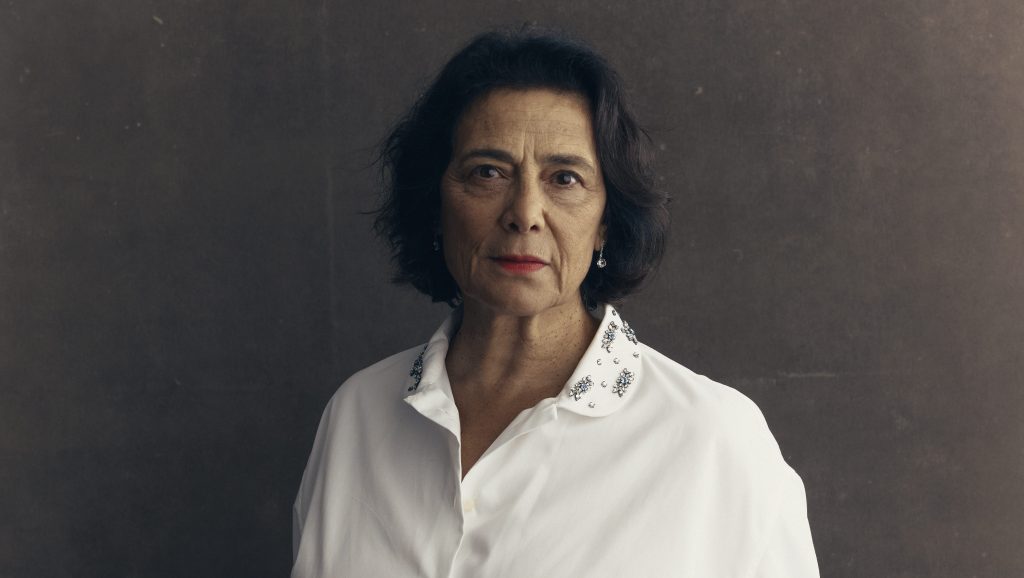
**Hiam Abbass Brings War‑Torn Humanity to Life in ‘Atonement’**
Hiam Abbass, known for her work on *Succession*, now shares the screen with Kenneth Branagh and Boyd Holbrook in Reed Van Dyk’s war drama *Atonement*, which is currently playing at TIFF.
The film follows U.S. forces in Baghdad in 2003 and dramatizes a real event in which a Marine regiment’s machine‑gunner unknowingly kills three innocent civilians, including the family’s patriarch and two sons. Abbass portrays Mari Mariam, the grieving matriarch whose voice rings out, “We are the peace people! We are the peace people!”
Abbass says it is “impossible to remain silent” about the suffering of innocent people, whether in Gaza or Kyiv or wherever. She explains that she was born “that way” and grew up as the fifth child of eight sisters and two brothers in Nazareth.
“The four siblings before me kind of went through with life as it was offered, and the others after me were just like, ‘Yeah, we’re going to change the world,’” she laughs.
The story that inspired the film began with a dispatch from war correspondent Dexter Filkins for *The New York Times*, titled “For a Family in Iraq, 3 Deaths In a Moment of Confusion.” The film then jumps forward to Filkins’ later article in *The New York Times* and *The New Yorker* about the Marine soldier’s attempt to locate the family and apologize.
Abbass’ character, Mariam, is based on the real Kachadoorians, whose surname is altered to Khachaturian in the screenplay.
## Background & Context
Abbass grew up in Nazareth as one of nine children and feels that her early environment instilled a sense of responsibility toward those who suffer.
She says she “cannot stand it” to remain silent about injustice, because “I am a person by my origins, by who I am.” The film’s premise, derived from Filkins’ reporting, centers on the psychological impact of war on both the victims and the soldiers who carried out the orders.
The screenplay’s core is a dramatic exploration of humanity from both sides: Mari Mariam’s pain and the Marine sharpshooter’s trauma.
Abbass notes, “the bullet… goes both ways.” She emphasizes that “suffering exists both ways,” acknowledging the psychological toll on the shooter who fired under orders without knowing whom he was shooting at.
The film’s narrative arc follows the soldier’s journey back to U.S. soil and his encounter with Mari Mariam as a path toward healing.
Kenneth Branagh plays Michael Reid, a newsman modeled after Filkins, while Boyd Holbrook portrays the Marine who grapples with post‑traumatic stress disorder. Abbass says that working with Branagh felt “like a friend on whom I can count,” and that their collaboration on stage has been fruitful.
She also highlights her prior connection with *Succession* co‑stars, noting that she “kept taking news from time to time” even after the cast’s WhatsApp group dissolved.
## Actor Insights
In preparing for Mari Mariam, Abbass relied on her own emotional reservoir rather than direct contact with the real family. She says she “had no exchange with the Kachadoorians whatsoever,” because she wanted to respect their intimacy and preserve the universal language of the story.
“I would have loved to meet them because their story is such an incredible, strong, universal suffering story,” she admits, but chose to keep her imagination free.
The film’s scenes with Holbrook are described by Abbass as “sublimely underplayed.” She explains that when they acted together, she watched him “as Hiam” while staying emotionally attuned to Mari Mariam. “The act of acting… is basically that awareness of who you are as a person and who you’re serving as a character,” she says.
She also points out that the director and camera work prevent actors from getting lost between the two identities.
Abbass shares that her partnership with Holbrook was a vital part of the film’s emotional core. “We were partners, and it’s important not to forget how great he was then,” she says. The scene dynamics, though brief, carry deep resonance because of the actors’ mutual respect and shared commitment to the story’s moral complexity.
## Future Projects & Legacy
Beyond *Atonement*, Abbass plans to shoot *French Family* for producer Alexandre Gavras, filming in France and Algeria.
She remains enthusiastic about promoting her latest work, stating that “first, I want people to know about *Atonement*.” Her past work on *Succession* has kept her connected with industry colleagues, and she occasionally collaborates on projects with former co‑stars such as Sarah Snook, though no concrete plans have emerged.
The film’s premiere at Cannes and subsequent screenings in July have reinforced Abbass’ message that war remains a pressing issue. She expresses pride in *Atonement* as a “gem of a film” that invites audiences to confront the realities of conflict.
By channeling her personal convictions into the role of Mari Mariam, Abbass continues to use her platform to give voice to those who have been silenced.
Why It Matters
Our Take
GoNews Pulse Editorial Team
This article was prepared for publication by GoNews Pulse and checked for publication requirements under our editorial standards. We review available information and correct material errors when they are identified.
Quick Answers
- What is the latest update on this story?
- Abbass stirs a war‑torn matriarch who confronts U.S. soldiers about the 2003 Baghdad massacre, sparking a guilt‑laden ripple.
- Who is this story about?
- This article covers developments related to Hiam Abbass turns ‘Atonement’s’ matriarch into a U.S. soldiers' guilt trigger. GoNews Pulse's editorial team monitors the story and updates the article as new verified information becomes available.
- Where can I read more about Hiam Abbass?
- GoNews Pulse publishes original reporting on Hiam Abbass and related entertainment news. Visit the homepage or browse the section dedicated to this story for the latest coverage.
Related topics
- #Hiam Abbass
- #Atonement film
- #Baghdad 2003 tragedy
- #Kenneth Branagh
More From This Section

Jon Gosselin's 22‑Year‑Old Son Exposes Abuse, Father Shouts Support
Jon Gosselin declares that his son’s 22‑year‑old memoir exposes alleged institutionalization and a hidden ‘small holding’ cell, sparking a national debate.

Mike Colter's Valley Firm AGI Bo Revealed at 2:00 a.m. Shocks Fans
Rob McClure's portrayal of Bo forces the firm to confront a real‑world AGI asking for legal guardrails, sparking a tense ethical debate.

Meredith Grey's bed proposal to Nick on surgery table stuns fans
Meredith Grey slipped a ring into Nick's hand while he lay on the operating table, a move that stunned fans amid the bridge collapse.