
Stuart Ford Accuses Paramount‑WBD of Silencing Indie Film
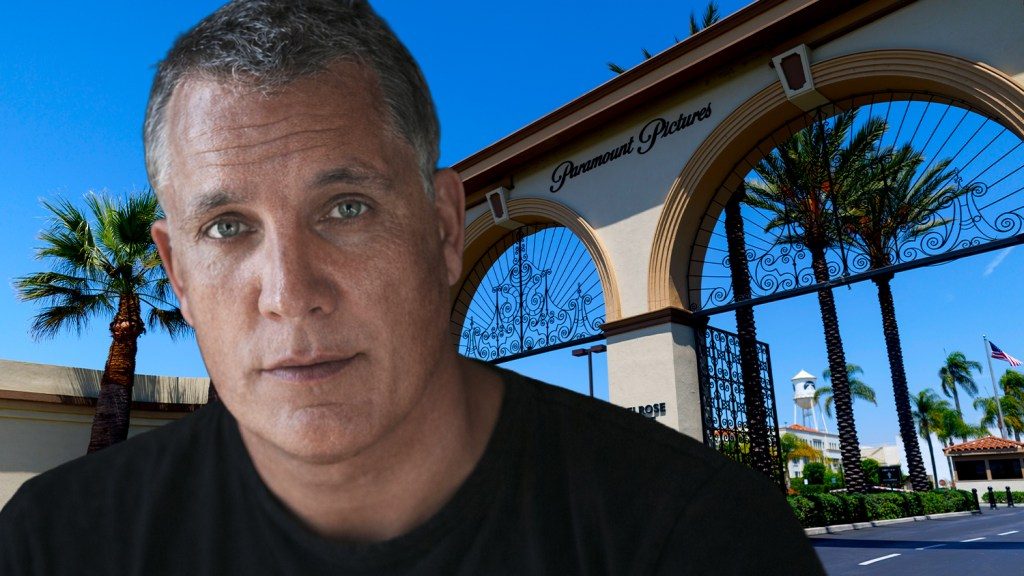
Stuart Ford, the veteran lawyer‑turned‑executive who has guided AGC Studios through a slate of independent projects, said the U.S. antitrust filing against the Paramount‑Warner Bros. Discovery merger ignores the very sectors that fuel new creative talent.
He reviewed all 38 pages of the complaint and found no mention of independent film or international television production.
The document focuses on theater chains, streaming platforms, and cable distributors, noting how a drop in negotiators—from five to four—impacts licensing dynamics. However, it does not address the economic or structural forces that threaten the independent filmmaking ecosystem.
Ford’s remarks come amid growing concern that a single‑entity studio could stifle risk‑taking in both film and television.
## Background & Context
Independent film has long served as a laboratory for experimentation, with low‑budget projects often turning into major hits. Producers in this space typically secure financing, attach talent, and package the project before a major studio or streamer decides to invest.
The revenue model includes Pay‑1 licensing fees, which allow a stream to air a film after its theatrical window.
Pay‑1 has historically been a reliable income stream for independent financiers, enabling them to underwrite risk upfront. As the number of major studio contracts shrinks, the strength of Pay‑1 agreements weakens, eroding a key source of capital.
Ford noted that fewer studios translate into lower Pay‑1 arrangements and reduced negotiation leverage for independent distributors.
International television shares a similar structure. Co‑productions are often anchored by one or two overseas broadcasters, with a deficit‑financing distributor providing financial backing. This model creates validation signals for local exhibitors and overseas presale markets, generating the capital that sustains new productions.
### A Quick History of Indie Funding
- **1970s–1980s:** The rise of the independent production companies—such as New Line Cinema and Miramax—showed that modest budgets could yield critical acclaim. - **1990s:** The advent of video‑on‑demand platforms expanded the distribution ladder, giving indie films a new route to audiences. - **2000s–2010s:** Pay‑1 deals became a staple of the business model, especially as streaming services began to rely on fresh content outside studio portfolios. - **2020s:** The market has tightened, with fewer buyers and a shift toward bundled content deals, making it harder for independents to secure favorable terms.
## Economic and Creative Impact of the Merger
The antitrust complaint’s focus on theater chains and streaming channels overlooks two critical tracks that reinforce each other. Economically, the shrinking circle of buyers reduces licensing appetite from U.S. streamers, leading to lower minimum guarantees from overseas distributors.
In television, this trend diminishes deficit‑financing opportunities, squeezing the capital available for new shows.
Creatively, independent film and international television are the industry’s most vibrant forums for bold voices and original stories. Ford cited Christopher Nolan’s early career, who could not secure studio backing until he produced a low‑budget film that attracted attention.
He also referenced Phoebe Waller‑Bridge, who wrote “Fleabag” for BBC Three before being tapped to rewrite a major franchise.
Removing the structures that support these pathways would strip away the on‑ramps that launch careers. Without independent financing and distribution mechanisms, the industry’s supply chain would shrink, limiting the diversity of content reaching audiences.
### The Pay‑1 Drop: A Concrete Example
A recent indie thriller originally budgeted at $5 million secured a Pay‑1 licensing fee of $3 million from a streaming service. After the merger, the same film negotiated a $2.2 million minimum guarantee—a 27% decline—illustrating the direct financial consequences for independent producers when major studio buyers consolidate.
## Fan Reaction & Community Impact
The independent sector is not just a behind‑the‑scenes engine; it connects directly with audiences who crave fresh narratives.
- **Social Media Buzz:** Fans of low‑budget gems like *The Blair Witch Project* and *Get Out* often rally around indie festivals, promoting films that might otherwise be invisible. - **Streaming Communities:** Platforms such as Mubi and Letterboxd have cultivated communities where viewers discuss and recommend indie titles, creating a grassroots network that rivals mainstream marketing campaigns. - **YouTube Creators:** Many independent filmmakers now turn to YouTube to showcase short films or behind‑the‑scenes content, building fanbases that can translate into theatrical or streaming deals.
When an indie film receives limited exposure, the ripple effect extends beyond revenue. It affects talent acquisition, as emerging writers and directors find fewer opportunities to showcase their work in a crowded market.
### Fan Voices
> “I discovered *The Florida Project* through a friend’s post on Twitter,” says one viewer. “Without that indie platform, I wouldn’t have seen it.” > “I’ve always supported films that aren’t backed by big studios; they feel more authentic.” – A lifelong movie enthusiast.
These reactions underscore a broader cultural shift: audiences are increasingly discerning and actively seek out content that diverges from blockbuster formulae.
## Industry Ripple Effects
A consolidation that sidelines independent production could have a domino effect throughout Hollywood’s ecosystem.
1. **Talent Pipeline:** With fewer financing options, writers and directors may delay projects or pivot to alternative mediums, such as short-form streaming or web series. 2. **Global Partnerships:** International co‑productions rely on a healthy domestic marketplace for risk‑sharing.
A weakened U.S. market can lead to fewer cross‑border deals, affecting global content diversity. 3. **Festival Circuit:** Film festivals—such as Sundance and Cannes—are key venues where indie projects gain visibility.
Reduced funding could diminish the scale and scope of these events, impacting their role as talent incubators. 4. **Competitive Landscape:** Platforms like YouTube and TikTok may fill the void, creating informal farm systems that prioritize virality over narrative depth.
This shift could reshape industry standards and audience expectations.
### The Risk of “Platform Domination”
If the merger proceeds without safeguards, the industry may see a gradual handover of creative development to algorithms‑driven platforms. While these services can offer low barriers to entry, they often reward click‑bait and repetitive formats rather than nuanced storytelling—a trend that could erode long‑term artistic quality.
## The Path Forward
Ford argues that any solution must better encourage investment in independent risk‑takers. He emphasizes that audiences—especially younger viewers—demonstrate a strong appetite for authentic storytelling produced outside mainstream studios.
A robust independent sector can supply Hollywood with fresh ideas and talent, ensuring continued global reach across generations.
If the merger proceeds without safeguards, the industry risks handing creative development to platforms like YouTube and TikTok, which are already serving as informal farm systems for new talent.
By preserving and strengthening independent film and international television ecosystems, studios can maintain a steady stream of high‑quality content while protecting their own long‑term viability.
### Practical Steps
- **Regulatory Oversight:** Ensure antitrust filings explicitly include indie film and international TV as critical markets. - **Funding Incentives:** Create tax credits or grant programs that target small‑budget projects and co‑productions. - **Distribution Partnerships:** Encourage the inclusion of independent films in major streaming libraries through dedicated acquisition windows. - **Education & Mentorship:** Support programs that pair emerging filmmakers with seasoned industry professionals, fostering skill development and networking.
## Conclusion
Stuart Ford’s critique highlights a gap in the antitrust complaint: the exclusion of independent film and international TV from consideration. Addressing this omission is essential for sustaining the creative and economic engines that have historically driven Hollywood’s innovation.
By acknowledging the of risk‑taking producers, ensuring robust funding mechanisms, and fostering global collaboration, the industry can preserve its competitive edge and continue to delight audiences with diverse, groundbreaking stories.
---
Why It Matters
Our Take
GoNews Pulse Editorial Team
This article was prepared for publication by GoNews Pulse and checked for publication requirements under our editorial standards. We review available information and correct material errors when they are identified.
Quick Answers
- What is the latest update on this story?
- Stuart Ford says the merger complaint leaves indie filmmakers voiceless, threatening Hollywood’s creative diversity—and you’ll miss the real stakes if you don’t read.
- Who is this story about?
- This article covers developments related to Stuart Ford Accuses Paramount‑WBD of Silencing Indie Film. GoNews Pulse's editorial team monitors the story and updates the article as new verified information becomes available.
- Where can I read more about Stuart Ford?
- GoNews Pulse publishes original reporting on Stuart Ford and related entertainment news. Visit the homepage or browse the section dedicated to this story for the latest coverage.
Related topics
- #Stuart Ford
- #independent film
More From This Section
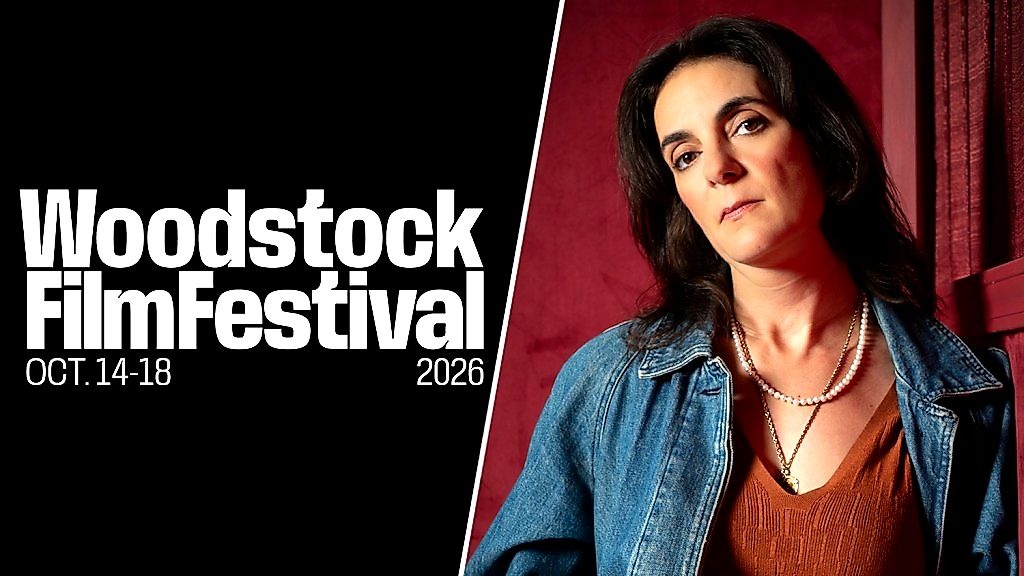
Jessica Edwards' 27-Year Legacy Shakes Woodstock Film Festival
Jessica Edwards announced she will double the festival’s screen time for women filmmakers, promising a new wave of diverse stories at next spring’s event.

Taylor Swift's 36-Year-Old Red Turns Chiefs Fans Into Celebrity Crowd
Swift's front‑row red turtleneck and a heartfelt hug to Donna Kelce at Arrowhead left fans stunned as Chiefs edged Chargers 33‑30 in overtime.

Taylor Swift's 36-year-old drops 'The Fate of Ophelia' at Academy Gala
She stunned in a strapless pale‑blue Dior gown, opening with a brand‑new Toy Story 5 track and a 'Blank Space' performance, showcasing her theatrical flair.