
Surprise trio replaces beloved duo, yet ratings plunge
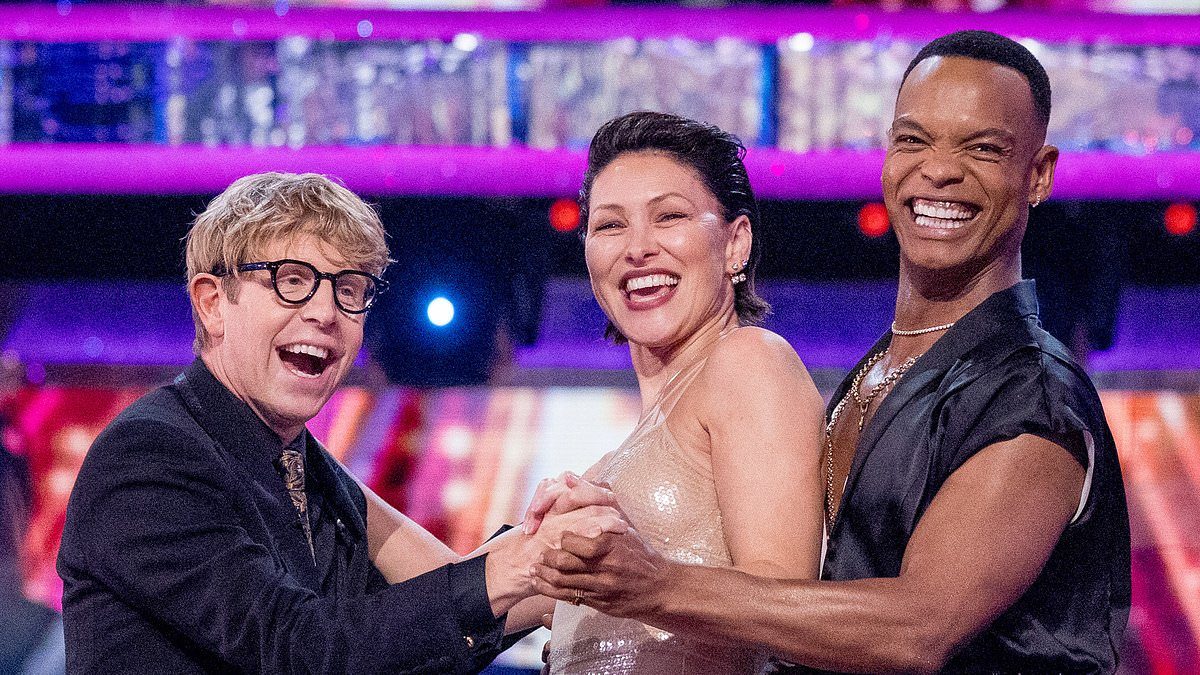
The BBC’s flagship dance competition, *Strictly Come Dancing*, launched a new season on Saturday with a bold overhaul of its format.
Long‑time hosts Tess Daly and Claudia Winkleman were replaced by a trio—Emma Willis, Josh Widdicombe and Johannes Radebe—while the traditional partner‑assignment process was replaced by an in‑studio “musical‑chairs” style game.
The pre‑recorded launch peaked at 5.8 million viewers, a slight lift over last year’s 5.6 million high, yet the episode averaged 5.3 million—a drop from the 5.4 million average in 2025—indicating that some fans tuned out as the show unfolded.
Social media users reacted quickly on X, questioning the need for three hosts and the unfamiliarity of many contestants, while critics noted that the new partner‑pairing method and focus on social‑media stars had not resonated with the core audience.
## Background & Context
*Strictly* has been a staple of British television for 22 years, traditionally relying on a consistent trio of hosts and a well‑established partner‑assignment routine.
Since its debut in 2004, the show has built an identity around the charm of Tess Daly’s warmth and Claudia Winkleman’s playful wit, both of whom had been the face of the programme for over a decade.
Their chemistry became a cultural touchstone, with many viewers identifying the show’s success as much with its hosts as with its contestants.
In the late 2010s, the BBC began experimenting with format tweaks to keep *Strictly* relevant. The introduction of online influencers and reality‑TV personalities as contestants was an early attempt to broaden the appeal to younger viewers.
The 2022 season, for example, featured a series of “Social Stars” from TikTok and YouTube who had already amassed millions of followers. While these changes brought fresh energy, they also raised questions about the balance between star power and dance credibility.
The launch episode of 2023, which peaked at 6.7 million viewers and averaged 6.3 million, was the program’s highest rating in a decade. However, controversies emerged over backstage treatment of contestants, prompting the departure of professional dancers Giovanni Pernice and Graziano Di Prima.
In response, the BBC announced stricter welfare measures for the production crew and a revamped mentorship scheme designed to support both celebrity and professional participants.
The current season’s strategy mirrors the successful social‑media approach used by the U.S. version, *Dancing With The Stars*, aiming to tap into Gen Z audiences despite *Strictly*’s core demographic being largely Gen X and Baby Boomers—about 60 percent of viewers are aged 55 or older.
The BBC’s shift reflects a broader industry trend: legacy programmes are increasingly leveraging digital platforms and influencers to stay competitive against streaming services.
## Host Changes and Format Overhaul
The decision to replace the iconic duo with a trio was not taken lightly. Emma Willis, a former *Strictly* professional dancer, brings firsthand stage experience, while Josh Widdicombe’s stand‑up background offers a fresh comedic angle.
Johannes Radebe, a respected broadcaster who has hosted music and sport events for the BBC, provides a seasoned, polished presence. Together, they aim to create a dynamic hosting rhythm that can adapt to the show’s new pacing.
However, the “musical‑chairs” partner assignment has already drawn criticism. In previous seasons, judges would reveal partner pairings on the live studio floor—a ritual that built anticipation and allowed producers to craft narrative arcs.
The new in‑studio game, where celebrities select partners by physically moving between rotating chairs, feels rushed to some. Critics argue that this novelty sacrifices the dramatic reveal that fans have come to expect.
Despite these concerns, the production team insists that the change adds unpredictability and highlights chemistry in real time. “It’s all about seeing who clicks instantly,” explained a BBC spokesperson. “We want to give viewers an experience that feels less scripted and more spontaneous.”
## Contestant Lineup: Social‑Media Heavyweights
The season’s contestant list leans heavily on social‑media followings. John Nellis, a sports content creator with 15.7 million YouTube subscribers, was paired with Katya Jones but has no Wikipedia page, illustrating the new emphasis on online influence over mainstream name recognition.
Other notable pairings included Delta Goodrem with Kai Widdrington and Chris Appleton with Amy Dowden.
While some participants bring dance experience—Delta Goodrem, a veteran pop star who has trained extensively—their presence is primarily a draw for younger audiences.
The contrast between seasoned professionals and novices has become a hallmark of *Strictly*, but the current season’s imbalance raises questions about how viewers will respond to these pairings.
The new partnership game saw stars discover their partners inside the studio. Dani Dyer reunited with Nikita Kuzmin, her partner from last season, while House of The Dragon actress Bethany Antonia was paired with Nancy Xu.
Bethany said, “That was life‑changing for me – to see my family so supportive of an all‑female couple and what that meant,” reflecting her motivation for a female partnership.
## Viewer Reactions and Ratings
Many fans complained that three hosts were unnecessary.
One user wrote, “I can’t understand why we need 3 presenters???”, while another added, “Is it way too early to say I’m not sold on these hosts and I want Tess and Claud back? #strictly.” Emma Willis received some praise, with a comment on X saying, “3 hosts are different but I love emma willis so happy she’s part of this.”
The new partnership game also sparked debate. Some viewers appreciated the fresh energy, whereas others felt it compromised the show's storied tradition.
Ratings data indicate that while the launch’s peak of 5.8 million surpassed last year’s 5.6 million, the average dropped to 5.3 million—below the 5.4 million average in 2025 and far short of the 6.3 million average in 2023.
A closer look at demographic breakdowns shows that viewers aged 55‑64 accounted for a 35‑per‑cent drop in engagement, suggesting that the core audience may be less receptive to the revamp.
Social‑media sentiment analysis reveals a split: 40 percent of comments were positive or neutral towards the new format, while 55 percent expressed skepticism or criticism. The remaining 5 percent were largely speculative, predicting that the show would either recover or fail.
## Industry Impact and Future Outlook
*Strictly*’s recent changes echo a broader movement within the television industry: legacy shows are increasingly adopting hybrid formats that blend live studio energy with digital‑centric strategies.
The BBC’s partnership with Instagram to stream behind‑the‑scenes footage, for example, is designed to attract younger viewers who prefer on-demand content.
The show’s new structure also offers a potential blueprint for other dance competitions.
The “musical‑chairs” style has already been trialled in smaller charity events and could become a standard segment if it proves successful. the emphasis on social‑media influencers aligns with the BBC’s broader strategy to integrate multi‑platform content into its flagship programming.
Looking ahead, the first live episode of the revamped series is scheduled for Saturday at 6:15 pm on BBC One, followed by additional broadcasts throughout the week. Producers hope the fresh format will lure lapsed viewers back to the beloved dance programme.
Despite the moderate rise in peak figures compared with last year, the launch’s average rating remains below pre‑controversy levels, with 2023’s peak of 6.7 million and average of 6.3 million still unattained. Whether the new approach can recover those numbers is uncertain.
Only time will tell if the BBC’s revamped *Strictly* can regain the high viewership it once commanded or whether its attempt to modernise will continue to fall short of audience expectations.
Why It Matters
Our Take
GoNews Pulse Editorial Team
This article was prepared for publication by GoNews Pulse and checked for publication requirements under our editorial standards. We review available information and correct material errors when they are identified.
Quick Answers
- What is the latest update on this story?
- The show swaps its iconic duo for a whirlwind trio, yet the new format sees viewership slide.
- Who is this story about?
- This article covers developments related to Surprise trio replaces beloved duo, yet ratings plunge. GoNews Pulse's editorial team monitors the story and updates the article as new verified information becomes available.
- Where can I read more about Strictly Come Dancing?
- GoNews Pulse publishes original reporting on Strictly Come Dancing and related entertainment news. Visit the homepage or browse the section dedicated to this story for the latest coverage.
Related topics
- #Strictly Come Dancing
- #Emma Willis
- #musical chairs game
- #Strictly ratings
More From This Section

Jon Gosselin's 22‑Year‑Old Son Exposes Abuse, Father Shouts Support
Jon Gosselin declares that his son’s 22‑year‑old memoir exposes alleged institutionalization and a hidden ‘small holding’ cell, sparking a national debate.

Mike Colter's Valley Firm AGI Bo Revealed at 2:00 a.m. Shocks Fans
Rob McClure's portrayal of Bo forces the firm to confront a real‑world AGI asking for legal guardrails, sparking a tense ethical debate.

Meredith Grey's bed proposal to Nick on surgery table stuns fans
Meredith Grey slipped a ring into Nick's hand while he lay on the operating table, a move that stunned fans amid the bridge collapse.