
Stephen A. Smith rakes in $40M a year—why he outruns Tom Brady
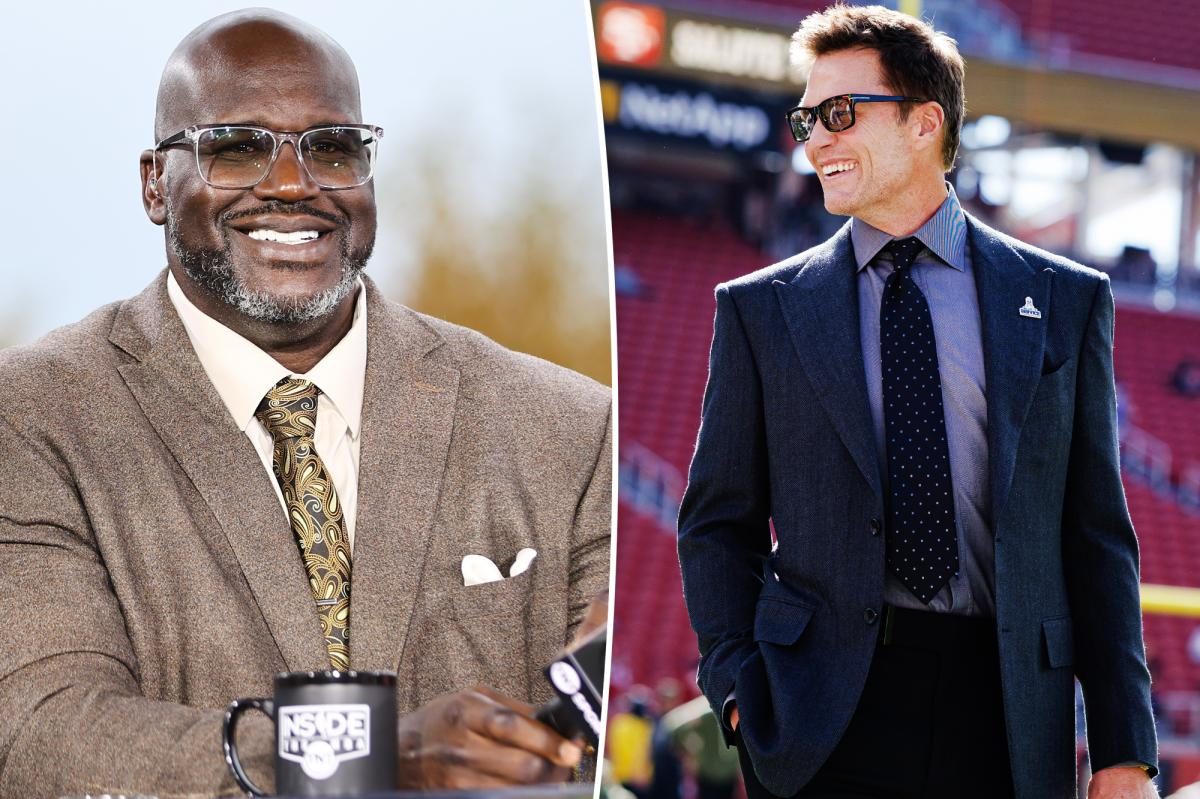
In a world where the line between athlete and media star keeps narrowing, the paychecks of former players and analysts have become some of the most eye‑catching numbers in sports. 2024’s earnings chart shows Stephen A.
Smith commanding the top spot with an estimated $40 million a year, followed closely by Tom Brady and Pat McAfee. These figures illustrate how the most familiar faces on television can command more than the average pro athlete’s salary.
## Background & Context
### Stephen A. Smith – The Multi‑Platform Mogul At 58, Smith has built a media empire that spans traditional broadcasts, satellite radio, and digital content. In early 2024 he inked a five‑year, $105 million contract with ESPN and a three‑year, $36 million agreement with SiriusXM’s “The Fan” channel.
Those deals cover his on‑air duties for NBA coverage, college football commentary, and the flagship “Stephen A. Smith” show on SiriusXM. Adding to that a thriving YouTube channel that regularly hits several million views , Smith’s diversified streams bring him close to the $40 million mark annually.
### Tom Brady – The NFL Legend Turned Analyst Brady, 49, retired from the NFL in 2023 after a record‑setting career. A year later he secured a ten‑year, $375 million contract with Fox Sports, translating to an annual take of roughly $37.5 million.
The package reflects Brady’s transition from a four‑time Super Bowl champion to a top‑tier analyst, and includes weekly NFL analysis segments, prime‑time event coverage, and a behind‑the‑scenes “Inside the Playbook” series.
### Pat McAfee – Streaming’s Rising Star McAfee, 39, has carved out a niche in the digital arena with his “Pat McAfee Show.” While the exact terms remain private, estimates place his annual earnings at about $30 million.
The show’s success hinges on platform‑agnostic streaming, with a mix of live broadcasts, on‑demand episodes, and interactive audience segments that keep the show relevant across multiple devices.
### Other Notable Figures - **Charles Barkley** (63): A 16‑year NBA career followed by a long‑running “Inside the NBA” partnership with ESPN keeps him earning roughly $21 million yearly. - **Tony Romo** (46), **Troy Aikman** (59), and **Joe Buck** (57): Each pulls in around $18 million . - **Kirk Herbstreit** (57):
Earns $16 million annually, mainly from college football broadcasts. - **Al Michaels** (81) and **Shaquille O’Neal** (54): Both sit at the bottom of the top‑10 list with about $15 million each, largely through long‑term deals with TNT and other sports networks.
## History of the Transition
The movement from on‑field play to media commentary isn’t new. In the early 2000s, former players began to appear as color commentators on cable and network broadcasts, often receiving modest compensation.
By the 2010s, however, the rise of digital platforms and social media created new revenue streams that allowed analysts to monetize their personal brands directly. Smith’s early adoption of podcasts and a robust online presence set a precedent for how athletes can leverage their reputations beyond traditional TV contracts.
## Fan Reaction
Fans have been vocal about the high salaries. Social media chatter ranges from admiration for the hard work required to produce engaging content across multiple platforms to skepticism over how much of that revenue directly benefits the personalities versus network conglomerates.
Many appreciate Smith’s candid commentary and “hot takes,” especially on NBA and college football, while others critique his style as overly sensational. Brady’s audience largely supports his analytical prowess, recognizing the depth he brings from years of playing at the highest level.
McAfee’s younger demographic praises his tech‑savvy approach and willingness to engage viewers in real time.
## Industry Impact
The staggering paychecks of these analysts underscore a broader shift in sports media economics. Networks now see former athletes as valuable content creators who can drive viewership across linear, digital, and streaming platforms.
The investment in high‑profile personalities has paid off: advertising revenue, sponsorships, and subscription growth often correlate directly with star power.
This trend also encourages networks to offer multi‑platform contracts that combine traditional broadcasts with satellite radio and online distribution, reflecting the fragmented nature of today’s media consumption.
the rise of digital-first broadcasters like McAfee demonstrates how streaming can rival cable in profitability. As audiences shift toward on‑demand content, networks are adapting by allocating more resources to personalities who can produce compelling content for a global audience without the constraints of broadcast schedules.
## What Happens Next
With these contracts in place, each analyst’s focus will pivot toward sustaining and expanding their audience reach:
- **Smith** will continue to deepen his ESPN presence while adding new SiriusXM segments and releasing additional podcasts. His upcoming “Stephen A.
Smith: The Next Chapter” series is slated for 2025, aiming to tackle deeper socio‑cultural issues in sports. - **Brady** is set to broaden his role beyond weekly NFL analysis, potentially hosting a special event series that covers the Super Bowl’s cultural impact. - **McAfee** plans to grow his show’s digital footprint, experimenting with virtual reality fan experiences and interactive betting analytics. - **Barkley** will likely maintain his “Inside the NBA” tenure while exploring cross‑platform collaborations with emerging streaming services. - The remaining analysts—Romo, Aikman, Buck, Herbstreit, Michaels, and O’Neal—will continue refining their on‑air personas and exploring new media ventures to keep pace with evolving consumer habits.
While the current earnings hierarchy appears stable, the sports media landscape remains fluid. Emerging talents who can blend athletic credibility with digital savvy may soon challenge the established order.
Additionally, as streaming platforms invest more aggressively in exclusive sports content, we might see a redistribution of revenue that could reshape the industry’s top earners in the near future.
---
Why It Matters
Our Take
GoNews Pulse Editorial Team
This article was prepared for publication by GoNews Pulse and checked for publication requirements under our editorial standards. We review available information and correct material errors when they are identified.
Quick Answers
- What is the latest update on this story?
- Stephen A. Smith rakes in $40M a year—see how he eclipses Tom Brady and digital star Pat McAfee.
- Who is this story about?
- This article covers developments related to Stephen A. Smith rakes in $40M a year—why he outruns Tom Brady. GoNews Pulse's editorial team monitors the story and updates the article as new verified information becomes available.
- Where can I read more about Stephen A. Smith?
- GoNews Pulse publishes original reporting on Stephen A. Smith and related entertainment news. Visit the homepage or browse the section dedicated to this story for the latest coverage.
Related topics
- #Stephen A. Smith
- #Tom Brady analyst
- #Pat McAfee show
- #ESPN contracts
- #Fox Sports deals
More From This Section

Jon Gosselin's 22‑Year‑Old Son Exposes Abuse, Father Shouts Support
Jon Gosselin declares that his son’s 22‑year‑old memoir exposes alleged institutionalization and a hidden ‘small holding’ cell, sparking a national debate.

Mike Colter's Valley Firm AGI Bo Revealed at 2:00 a.m. Shocks Fans
Rob McClure's portrayal of Bo forces the firm to confront a real‑world AGI asking for legal guardrails, sparking a tense ethical debate.

Meredith Grey's bed proposal to Nick on surgery table stuns fans
Meredith Grey slipped a ring into Nick's hand while he lay on the operating table, a move that stunned fans amid the bridge collapse.