
Spike Lee's Heated Confrontation at Yankee Stadium After 9-2 Win
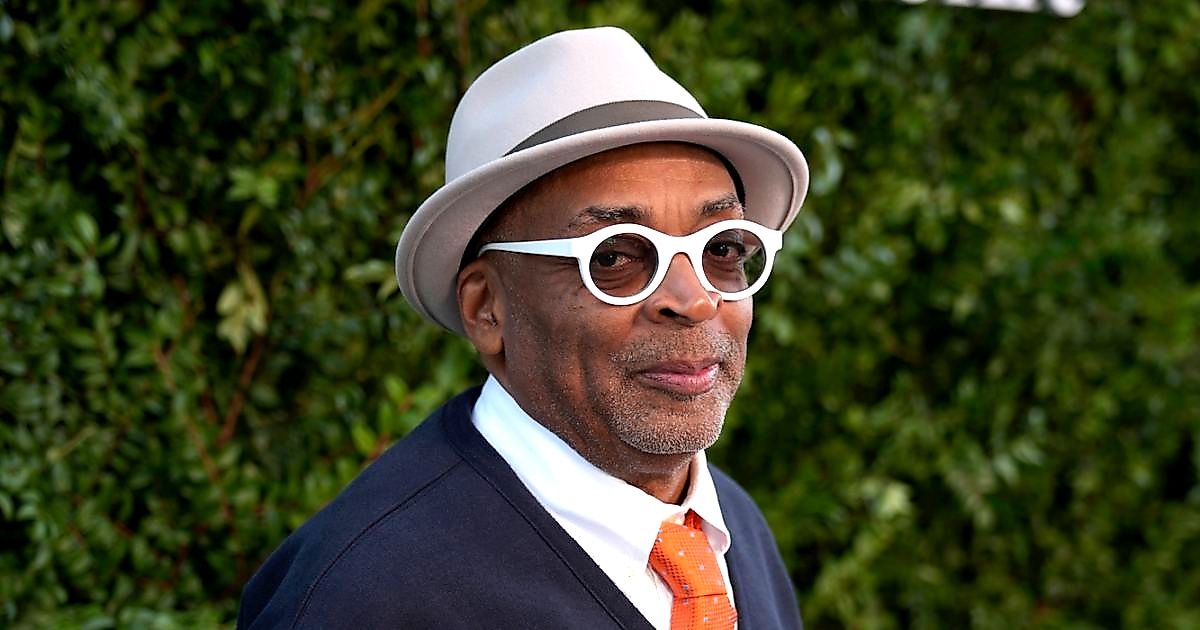
# Spike Lee Gets Heated Over Palestine Question at Yankee Stadium, Fans Pull Him Back The iconic director was in the thick of an unexpected altercation at Yankee Stadium on a hot September night, when a passionate fan pressed him about his stance on the Israel‑Palestine conflict.
The confrontation erupted just hours after the New York Yankees had secured a 9‑2 victory over the Boston Red Sox in the second game of the American League Wild Card Series.
Lee, 69, found himself surrounded by a crowd of Yankees supporters, all eager to get a glimpse of the veteran filmmaker, only to see the encounter quickly turn tense. While the drama played out behind the concession stands, it quickly became the talk of the baseball‑loving city.
The footage, posted to several social‑media platforms, showed Lee looking visibly startled as a fan leaned in, demanding an opinion on a deeply divisive political issue.
The director’s retort—"Why’d you come over to me?"—was heard before a group of bystanders pulled him back, preventing the situation from spiraling into a physical scuffle. Lee has yet to offer any comment on the incident, leaving fans and critics alike to speculate about the potential fallout.
The night’s tension is only part of a larger narrative that intertwines Lee’s public persona, his outspoken activism, and his love for New York’s sports culture.
To fully understand the significance of the encounter, it is worth revisiting the events that led up to the stadium’s heated exchange, as well as the filmmaker’s broader history of political engagement. ## Background & Context The American League Wild Card Series had been a high‑stakes battleground for the Yankees and the Red Sox, and Lee’s presence was a nod to his long‑standing affection for the New York franchise.
He had attended Game 1 the previous night, where he captured a selfie with his 31‑year‑old daughter, Satchel, celebrating the Yankees’ 9‑? win over Boston. The photograph, shared on Instagram, displayed a man relaxed in the stadium’s seats, a far cry from the confrontation that would later unfold in the dining area.
The Yankees’ 9‑2 victory on Wednesday, the night of the incident, cemented a thrilling second leg of the series. Fans were buzzing with excitement, and the stadium’s atmosphere was electric.
Lee’s arrival amid this celebratory energy, coupled with his open affection for the team, made him a natural focal point for the crowd.
He was visibly present at the event, a gesture that underscores how deeply he feels connected to the city’s sports culture—a connection that is further amplified by his status as a devoted Knicks fan. However, Lee’s public life has never been confined to sports or film alone.
Over the past decade, he has used his platform to speak out on issues ranging from racial injustice to global conflicts. This pattern of advocacy has not always been without controversy, most recently when he wore apparel bearing the colors of the Palestinian flag during the NBA All‑Star Game earlier this year.
The gesture, intended to spotlight the plight of Palestinian children, drew praise and criticism. Lee subsequently apologized to Deni Avdija, the first Israeli‑born NBA All‑Star, clarifying that his attire was not a denunciation of Jewish people or an endorsement of violence.
The incident at Yankee Stadium is the latest chapter in a saga that has placed Lee at the crossroads of art, sport, and activism.
While his love for New York’s teams has endeared him to many, his willingness to engage with contentious political topics has also stirred debate and, at times, division. ## What People Are Saying When the fan asked Lee about his feelings on the Israel‑Palestine conflict, the ensuing exchange captured the attention of a wide audience.
The clip shows Lee’s initial shock, followed by a sharp, almost defensive response that quickly escalated into a heated moment. The rapidity of the confrontation—spurred by a single, direct question—prompted a group of onlookers to intervene, effectively ending what could have turned into a public altercation.
The video has since spread across social‑media channels, generating a flurry of reactions. Many commentators have noted that Lee’s retort seemed almost scripted, as if he had rehearsed a defensive line for situations like this.
Others, however, point to the intensity of the moment, highlighting that the fan’s question was an attempt to engage the director on a deeply personal and polarizing issue.
In the broader conversation, some viewers praise Lee for standing his ground, while others criticize him for not allowing the fan to express their curiosity. The incident cannot be viewed in isolation from Lee’s earlier controversies.
His choice to wear Palestinian flag colors during the NBA All‑Star Game—an act intended to shine a light on Palestinian children—has already placed him on the radar of both supporters and detractors.
Lee’s subsequent apology to Avdija clarified that his activism was not meant to target Jewish people or to condemn their rights. This perspective frames the confrontation at Yankee Stadium as a moment of discomfort rather than a moral failing.
The broader public response to the incident has been divided along political lines, with some praising Lee for his candidness and others labeling the encounter as a missed opportunity for meaningful dialogue.
This split reflects the current climate, where discussions of the Israel‑Palestine conflict are fraught with emotional and ideological intensity.
Whether the fan’s question was genuine or provocative remains unknown, but the exchange has undeniably amplified scrutiny of Lee’s public persona. ## What Happens Next The immediate aftermath of the confrontation has left the public and Lee’s team without a clear official statement.
Since the incident, no formal comment from Lee has surfaced, leaving fans and critics to speculate about his possible next steps.
Given the public’s heightened interest in his political engagement, it is likely that he will either issue a statement to clarify his stance or deliberately remain silent to avoid further controversy. If Lee chooses to speak out, the tone of his response will be critical.
A measured, thoughtful apology or clarification could soften the backlash and re‑establish his reputation as an advocate for human rights. Conversely, a confrontational or dismissive tone might deepen divisions and provoke a more hostile reaction from both supporters and detractors.
The filmmaker’s previous experience—specifically his handling of the NBA flag controversy—suggests that he is no stranger to the pitfalls of public statements on contentious topics. From an industry perspective, the incident could influence future collaborations or roles for Lee.
While Hollywood often embraces bold, socially engaged figures, there is also a risk of projects being delayed or shelved if a filmmaker’s public image becomes a liability.
That said, Lee’s track record of delivering culturally significant work may outweigh potential commercial concerns for producers who value his artistic vision. On the sports front, the incident is likely to be a footnote in the broader narrative of the Yankees‑Red Sox rivalry.
The focus will probably shift back to the teams’ performance and playoff implications. Yet, the viral nature of the clip ensures that it will remain part of public discourse, especially as new political events unfold.
Whether the conversation will stay limited to the stadium or spill into broader societal debates remains to be seen. For now, the baseball crowd’s memory of the night is a mix of cheering at the Yankees’ win and watching a legendary filmmaker navigate the turbulent waters of political expression.
In a world where public figures are scrutinized by both their art and their activism, Spike Lee’s next move will be closely watched, and it could set a precedent for how creative leaders handle political engagement in the public eye.
The stadium lights dimmed, the ballpark emptied, and Lee returned to his hotel, the echoes of the confrontation lingering in the air. Whether he chooses to respond or remain silent, the incident has underscored the complex intersection of celebrity, sport, and sociopolitical discourse in modern America.
Only time will tell how this chapter will close.
At a Glance
- The altercation unfolded on the eve of the Yankees' 9-2 victory over the Red Sox, with Spike Lee at the center of a heated fan exchange.
- Lee’s defensive line, captured on video, sparked debate over the role of public figures in political conversations and the fine line between advocacy and controversy.
- The incident follows Lee’s prior Palestinian flag apparel controversy, highlighting how a single moment can reignite nationalistic tensions and impact a celebrity’s brand.
Why It Matters
Our Take
GoNews Pulse Editorial Team
This article was prepared for publication by GoNews Pulse and checked for publication requirements under our editorial standards. We review available information and correct material errors when they are identified.
Quick Answers
- What is the latest update on this story?
- Spike Lee's sharp retort, 'Why’d you come over to me?', snapped in the heat of a Yankee Stadium crowd after the 9-2 win, leaving fans stunned.
- Who is this story about?
- This article covers developments related to Spike Lee's Heated Confrontation at Yankee Stadium After 9-2 Win. GoNews Pulse's editorial team monitors the story and updates the article as new verified information becomes available.
- Where can I read more about celebrity news?
- GoNews Pulse publishes original reporting on celebrity news and related entertainment news. Visit the homepage or browse the section dedicated to this story for the latest coverage.
More From This Section

Jon Gosselin's 22‑Year‑Old Son Exposes Abuse, Father Shouts Support
Jon Gosselin declares that his son’s 22‑year‑old memoir exposes alleged institutionalization and a hidden ‘small holding’ cell, sparking a national debate.

Mike Colter's Valley Firm AGI Bo Revealed at 2:00 a.m. Shocks Fans
Rob McClure's portrayal of Bo forces the firm to confront a real‑world AGI asking for legal guardrails, sparking a tense ethical debate.

Meredith Grey's bed proposal to Nick on surgery table stuns fans
Meredith Grey slipped a ring into Nick's hand while he lay on the operating table, a move that stunned fans amid the bridge collapse.