
Sophie Okonedo’s 35‑mm Lens Unveils Lagos’ Glittering Secrets
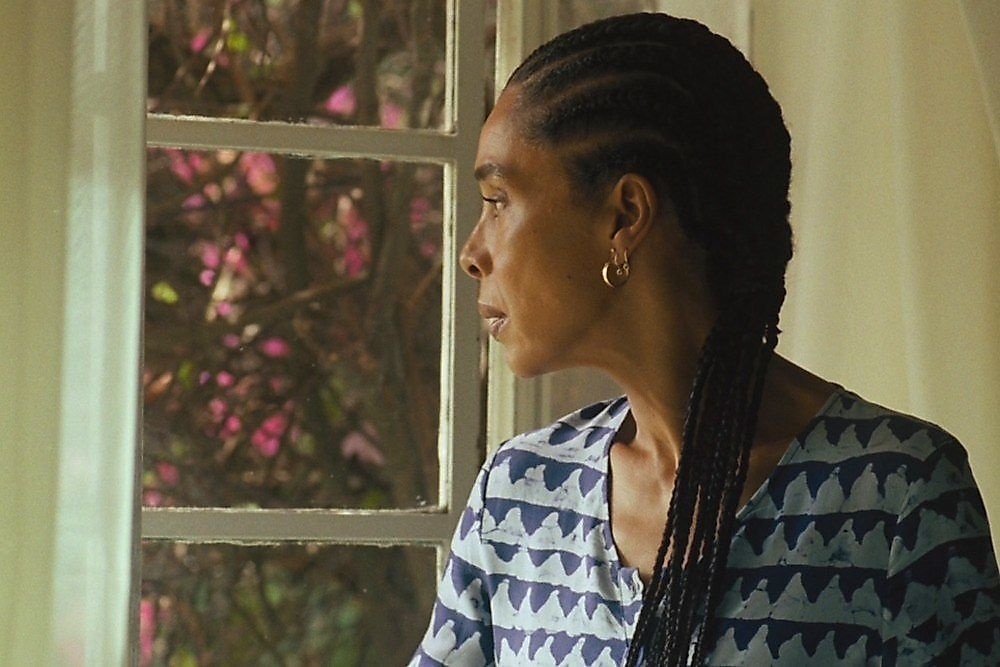
# Sophie Okonedo Lights Lagos Night in “Clarissa” Trailer Set for Dec. 11 The long‑awaited first look at Arie and Chuko Esiri’s sophomore feature, *Clarissa*, finally hit screens last week. Shot on 35 mm film across Nigeria, the film rewrites Virginia Woolf’s *Mrs.
Dalloway* for a Lagos high‑society setting, centering on the titular Clarissa as she prepares to host a glittering party in the city’s most exclusive circles. In the trailer, the night unfolds in vivid, grainy detail, revealing how the party’s guests drift back into the memories that once defined them.
The cast is a powerhouse of talent. Sophie Okonedo leads the story as the older Clarissa, while India Amarteifio portrays her younger self.
David Oyelowo, Toheeb Jimoh, Nikki Amuka‑Bird, and Ayo Edebiri also feature, each bringing depth to the ensemble. The film’s production, a collaboration between boasts a lineup of seasoned executive producers, including Okonedo herself, Dolly Omodolapo Kola‑Balogun, Osahon Okunbo, and Jason Reif.
The Esiris, fresh from their Berlin‑premiered debut *Eyimofe*—now a Criterion Collection title—have carved a distinct niche with a film that blends poetic narrative and striking visual storytelling.
Why this release matters extends beyond the star‑studded lineup. *Clarissa* represents a growing trend of African cinema that blends classical literary roots with contemporary African contexts, offering audiences both familiarity and fresh cultural insights.
The decision to film on 35 mm, a medium increasingly rare in the age of digital, underscores the directors’ commitment to a tactile, immersive experience that mirrors the film’s emotional depth. ## Background & Context Arie and Chuko Esiri’s journey to *Clarissa* began with *Eyimofe*, a film that captured Berlin’s cine‑connoisseurs and earned five African Movie Academy Awards.
That success proved the duo could translate complex emotional landscapes into compelling cinema. With *Clarissa*, they turn to Woolf’s celebrated exploration of memory and identity, transplanting the narrative to Lagos’s social elite.
The film follows Clarissa as she prepares for a grand party, only to encounter former acquaintances from her youth, sparking a night of reminiscence, regret, and reckoning. The decision to shoot on 35 mm is deliberate.
The Esiris wanted the grainy texture and nuanced color palette of film to echo the layers of Clarissa’s memories. The Nigerian locations—luxurious mansions, bustling streets, and quiet, candlelit interiors—serve as both backdrop and character, reinforcing themes of contrast between opulence and introspection.
By weaving in Nigerian cultural details, the directors add authenticity to the story’s universal questions about time, friendship, and self‑discovery. The screenplay, written by Chuko Esiri, balances dialogue and visual storytelling.
While the narrative is a loose adaptation of *Mrs. Dalloway*, it diverges by focusing on a single night of reunion rather than a single day, allowing a more concentrated emotional arc.
The script’s structure encourages viewers to consider how the past shapes present choices, especially within the pressures of high society. ## What People Are Saying Within the industry, buzz around *Clarissa* is palpable.
Critics praising the Esiris’ debut are now anticipating how the directors will navigate a larger, more ambitious project. The trailer’s atmospheric opening, with the Lagos skyline at dusk and Clarissa’s voice‑over, has been highlighted as the film’s lyrical quality.
Fans of Sophie Okonedo, who earned acclaim for *Hotel Rwanda*, are eager to see her command of the screen as a character caught between duty and desire. Social media chatter reflects the film’s crossover appeal.
Viewers note the star‑studded ensemble’s chemistry, particularly the dynamic between Okonedo and Amarteifio. The inclusion of Ayo Edebiri—a name familiar from *The Bear*—has drawn attention from audiences who might not otherwise engage with African cinema.
Meanwhile, industry insiders point to the film’s release strategy: Neon’s decision to bring *Clarissa* to the United States on December 11 positions it for holiday viewership and potential awards consideration. There is also a conversation about the film’s role in reshaping perceptions of African cinema.
The use of 35 mm, a medium seldom employed in contemporary Nigerian filmmaking, signals a nod to classic cinema traditions while addressing modern storytelling needs.
By doing so, *Clarissa* bridges generational gaps, appealing to both older cinephiles and younger audiences hungry for diverse narratives. ## What Happens Next As *Clarissa* heads to U.S. theaters, its distribution will likely be a mix of selective releases and strategic festival screenings.
Neon, known for its curation of bold independent films, is expected to showcase the film at prominent festivals, potentially aiming for sections that highlight world cinema and emerging talent.
A robust marketing campaign, leveraging the film’s unique production elements and the Esiris’ growing reputation, will aim to draw both critics and mainstream viewers.
In parallel, the film’s release will coincide with broader discussions about representation in Hollywood and the increasing visibility of African stories on global stages.
The Esiris’ involvement in producing *Clarissa* may open doors for further collaborations, potentially with international co‑producers interested in projects that blend literary adaptation with African contexts.
Their success with *Eyimofe*—already part of the Criterion Collection—signals that there is an appetite for nuanced, artistically driven narratives beyond traditional genre boundaries. Audience reception will also be crucial.
If *Clarissa* resonates with viewers, it could inspire a new wave of adaptations that reimagine classic literature through the lens of contemporary African life. the film’s focus on memory, identity, and societal pressures will likely spark discussions in academic and cultural circles, further extending its influence beyond the box office.
In sum, *Clarissa* is poised to be more than just a film; it is a cultural statement that showcases the power of blending classic storytelling with vibrant, modern settings.
The December 11 release promises to be a watershed moment for the Esiris and for African cinema at large, marking a bold step toward a more inclusive and richly textured cinematic landscape.
At a Glance
- Sophie Okonedo stars as older Clarissa in a 35‑mm adaptation of Woolf’s *Mrs. Dalloway* set in Lagos’ high‑society circles.
- The film blends poetic narrative with striking visuals, using grainy 35‑mm texture to echo memories and Lagos’ opulent yet introspective backdrop.
- Neon’s U.S. release on December 11 aims to position the film for holiday viewership and potential awards buzz, highlighting African cinema’s growing global influence.
Why It Matters
Our Take
GoNews Pulse Editorial Team
This article was prepared for publication by GoNews Pulse and checked for publication requirements under our editorial standards. We review available information and correct material errors when they are identified.
Quick Answers
- What is the latest update on this story?
- Neon will release the film on Dec 11 in U.S. theaters, promising a rare 35‑mm cinematic experience that blends Woolf’s narrative with Lagos nightlife.
- Who is this story about?
- This article covers developments related to Sophie Okonedo’s 35‑mm Lens Unveils Lagos’ Glittering Secrets. GoNews Pulse's editorial team monitors the story and updates the article as new verified information becomes available.
- Where can I read more about celebrity news?
- GoNews Pulse publishes original reporting on celebrity news and related entertainment news. Visit the homepage or browse the section dedicated to this story for the latest coverage.
More From This Section

Jon Gosselin's 22‑Year‑Old Son Exposes Abuse, Father Shouts Support
Jon Gosselin declares that his son’s 22‑year‑old memoir exposes alleged institutionalization and a hidden ‘small holding’ cell, sparking a national debate.

Mike Colter's Valley Firm AGI Bo Revealed at 2:00 a.m. Shocks Fans
Rob McClure's portrayal of Bo forces the firm to confront a real‑world AGI asking for legal guardrails, sparking a tense ethical debate.

Meredith Grey's bed proposal to Nick on surgery table stuns fans
Meredith Grey slipped a ring into Nick's hand while he lay on the operating table, a move that stunned fans amid the bridge collapse.