
Sophie Jones slams TV bias, vows to overhaul Royal Television Society
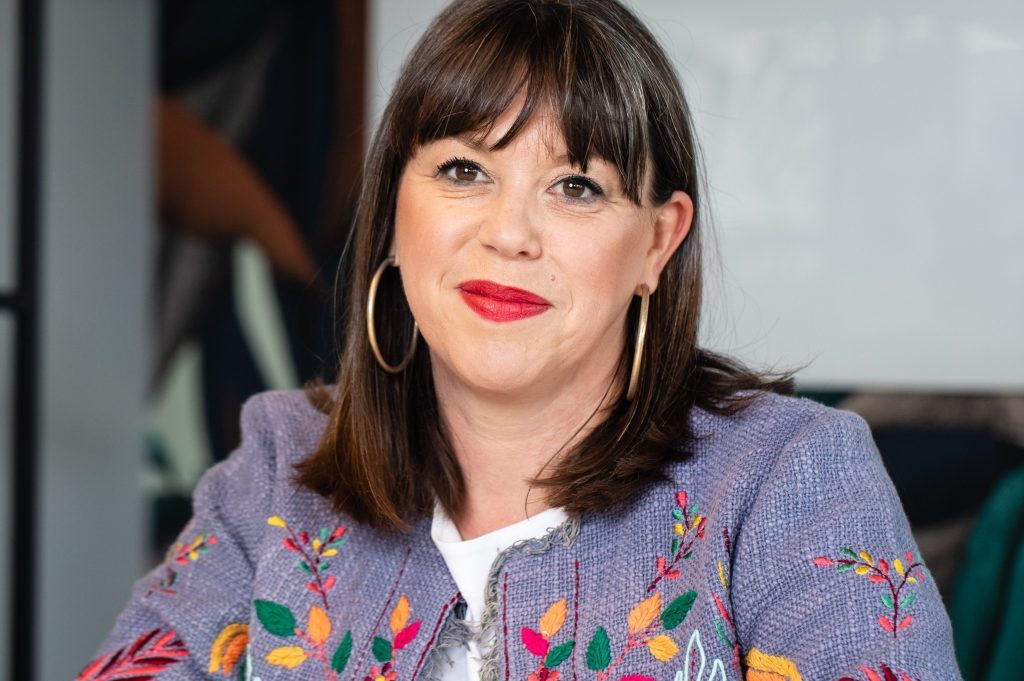
Sophie Jones has been named chief executive of the Royal Television Society (RTS) just three weeks after taking over from Theresa Wise.
In an exclusive conversation, Jones said the charity “has a space to ensure that the value of television as a whole is heard and understood by people who influence it,” including politicians and media figures.
She added that while the RTS “cannot – and will not – be a campaigning organization,” it can still champion television’s role as a cultural and economic powerhouse.
Jones will host her first RTS Convention on Tuesday at London’s King’s Place. The event, which alternates between London and Cambridge each year, is this year chaired by Amazon and will feature talks from Jeremy Clarkson, Graham Norton, Steven Knight, and senior BBC and Channel 4 executives such as Matt Brittin and Priya Dogra.
Amid the industry’s recent upheavals—hundreds of layoffs at major broadcasters—Jones says the convention’s theme, “United in Change,” reflects a moment of unprecedented transformation.
The new leader emphasises the RTS’s mandate to convene conversations without taking sides on divisive issues. She pointed to last year’s controversy when the society scrapped a special award for Gaza journalists and later reversed that decision after industry pressure.
Jones says the society will remain neutral but will provide clear procedures and frameworks to navigate such debates.
## Background & Context
The RTS has long been a prominent charity in UK broadcasting, known for its annual convention and awards. In recent years it faced criticism over its handling of a special award for journalists in Gaza, prompting a withdrawal and subsequent U‑turn after pressure from across the industry.
This episode highlighted the society’s role as a convenor rather than an advocate.
Sophie Jones previously served as corporate chief at Channel 4 and spent six years leading the British Phonographic Industry, where she organized the Brit and Mercury Prize awards.
Her experience in music trade bodies informs her view that television can learn from music’s risk areas, particularly the tension between long‑form and short‑form content and building communities around audiences.
She also cites high‑profile M&A deals such as Banijay‑All3Media, Sky‑ITV, and a £300 million Channel 4–5 ads agreement as evidence of the industry’s rapid evolution.
The upcoming convention’s schedule reflects this shift. Speakers include BBC and Channel 4 senior leaders Matt Brittin and Priya Dogra, who are currently addressing large‑scale layoffs at their respective organisations.
Amazon’s global perspective will be highlighted by Prime Video international boss Kelly Day and Amazon MGM Studios international originals chief Nicole Clemens, with UK‑focused discussion led by Tara Erer, the convention’s official chair.
## What People Are Saying
Jones said the RTS “has a space for the value of television to be heard and understood” by those who shape policy and public opinion. She stressed that while the society will not take political sides, it can bring together stakeholders to discuss industry‑wide challenges.
“There is more we can do to champion television’s value as both a cultural and economic powerhouse in the UK,” she added.
Addressing the Israel‑Palestine controversy, Jones explained that the society will not adopt a stance on thorny issues but will facilitate discussion.
She said it is “important to keep the conversation clear and to deal with controversial viewpoints as transparently as possible.” The society’s neutrality was reaffirmed when she said it “will never take sides but will continue to do the important work we do” while maintaining proper procedures.
Regarding controversies surrounding panelists, Jones encouraged openness. “I do not think we should be afraid of putting interesting thinkers and much‑loved people on stage,” she said.
She added that if a panel sparks controversy, the RTS remains a venue for intelligent debate, welcoming diverse perspectives even from well‑known screen personalities.
## What Happens Next
The convention will open with keynote speeches by Jeremy Clarkson, Graham Norton, and Steven Knight, followed by sessions featuring BBC and Channel 4 senior executives. Amazon will present an international perspective with talks by Kelly Day and Nicole Clemens, while Tara Erer will lead discussions on UK‑centric originals.
A panel on the popular comedy “Last One Laughing UK” promises lighter moments amid the industry’s heavy topics.
Jones has earmarked a session on artificial intelligence as a key area of debate. She said the technology must be managed but can offer opportunities to mitigate economic pressures on traditional broadcasters and production processes.
By balancing cautious enthusiasm with practical risk‑management, she hopes to spark productive dialogue among industry leaders.
Following the convention, the RTS will continue its role as a convenor for industry stakeholders, focusing on collaboration and clear frameworks rather than advocacy.
No specific actions beyond the event have been announced, but Jones has expressed confidence that the society’s neutrality and commitment to debate will strengthen television’s collective voice.
In a sector marked by rapid change, Sophie Jones’ leadership signals a renewed emphasis on dialogue and collaboration, positioning the Royal Television Society as a pivotal forum for UK broadcasting’s future.
Why It Matters
Our Take
GoNews Pulse Editorial Team
This article was prepared for publication by GoNews Pulse and checked for publication requirements under our editorial standards. We review available information and correct material errors when they are identified.
Quick Answers
- What is the latest update on this story?
- She confronts industry insiders, demanding unbiased TV while promising to elevate the Society’s influence.
- Who is this story about?
- This article covers developments related to Sophie Jones slams TV bias, vows to overhaul Royal Television Society. GoNews Pulse's editorial team monitors the story and updates the article as new verified information becomes available.
- Where can I read more about Sophie Jones?
- GoNews Pulse publishes original reporting on Sophie Jones and related entertainment news. Visit the homepage or browse the section dedicated to this story for the latest coverage.
Related topics
- #Sophie Jones
- #Amazon
- #BBC
More From This Section

Netflix's $277k box office break shatters streaming dominance
The film earned $108.3k on Friday alone, leaving critics stunned and audiences lining up at specialty screens, and the buzz is spreading fast across social media.

Courteney Cox 62 Turns Heads in Black Bikini on Hawaiian Beach
At Jennifer Meyer’s wedding, 62‑year‑old Courteney Cox stunned guests in a sleek black bikini, revealing a new fitness‑focused lifestyle that fans are buzzing about.

Steve Kazee's 'We Got You' Post Spurs Jenna Dewan After Val Suspension
Kazee wrote, 'Every time I think I can’t love you more…' as Jenna faced a sudden partner change right before the live finale.