
Slow Horses shocks fans with twist, earns four‑star buzz
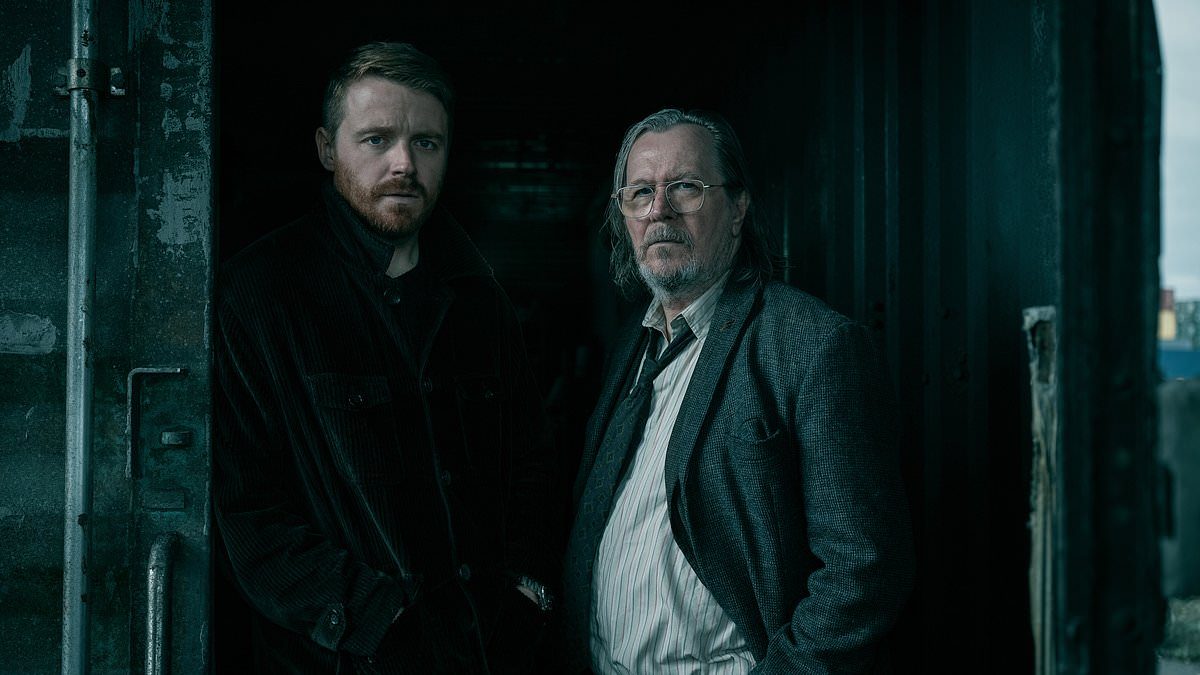
**Slow Horses Debuts Sixth Season and Faces New AI‑Driven Comedy Controversy**
Apple TV’s espionage dramedy *Slow Horses* returns for a sixth series, bringing back its signature blend of cynicism and grim humor.
The new season follows Jack Lowden’s River Cartwright, a hapless agent navigating a chaotic MI5 environment, and Gary Oldman’s Jackson Lamb, an efficient but bored assassin whose disillusionment fuels the plot. Kristin Scott Thomas appears as MI5 chief Diana, who has abruptly dismissed the department and removed its members from payroll.
The series also generates buzz because of its brutal realism. In one episode, Lamb’s remark—“We’ve all faked our own death at one time or another”—underscores the show's bleak view of espionage. The tagline “They’ve finally made the hit list” signals a darker narrative shift as the characters confront new threats and personal betrayals.
---
## Slow Horses Returns for Season Six
The sixth season opens with River Cartwright organizing his grandfather’s funeral, a role previously played by Jonathan Pryce. This intimate moment contrasts sharply with the show's typical gritty tone, offering a glimpse into Cartwright’s personal life.
The episode also features Oldman’s Lamb in his trademark unshaven, sweat‑stained appearance, culminating in a memorable scene where he attempts to eat pasta but ends up with it on his chin and shirt.
The new season’s plot centers on MI5 chief Diana’s sudden decision to terminate the entire department without prior notice. , her action has left agents scrambling to explain their continued presence in the intelligence field.
The storyline raises questions about loyalty and agency as the characters grapple with a leader who appears indifferent to the consequences of her abrupt actions.
---
## Background and Evolution
The show is adapted from Mick Herron’s *Slow Horses* novels, which satirise the world of British espionage with a darkly comic lens. First aired in 2022, the series quickly became a staple for fans craving sharp dialogue and morally ambiguous protagonists.
By season five, the narrative had woven a inter‑agency politics, personal redemption arcs, and the subtle horrors that come with living in shadows. The creative team—headed by writer‑director Ben Richards—has maintained a delicate balance between humor and pathos, ensuring each episode feels both grounded and theatrical.
---
## Fan Reaction
Social media has been buzzing since the season premiere. Fans on Twitter praised the emotional depth of Cartwright’s funeral scene, noting how it humanised a character who had previously seemed stuck in bureaucratic inertia.
Reddit threads highlighted Oldman’s “languid menace,” with many commenters calling his performance “the perfect counterpoint to Lowden’s jittery energy.” A group chat of long‑time viewers speculated that Diana’s sudden dismissal might foreshadow a larger structural shake‑up within MI5, mirroring real‑world reforms in intelligence agencies over the past decade.
Critics and audiences alike have expressed mixed feelings about the new plot twist. While some applauded the bold narrative move, others feared it could disrupt the series’ established tone. Nonetheless, viewership numbers for the first two episodes topped Apple TV’s internal benchmarks, suggesting that the risk paid off.
---
## The AI‑Generated Sitcom: *No Big Deal*
A 25‑minute sitcom titled *No Big Deal* launched on YouTube this week, featuring an entirely AI‑generated cast and sets. The show was written by human writer Andrew Dickinson, who said he aimed to portray the absurdities of venture finance.
Dickinson explained that producing the episode with real actors and a film crew would have cost at least £300,000, while the AI version was “a fraction of that cost.”
Audience reaction has been largely negative. One YouTube commenter described the result as “Like a world where everyone’s soul has been sucked out,” criticizing the robotic timing and continuity errors.
Reviewers noted that while the faces look almost realistic, body movements appear puppet‑like and synchronization between shots is inconsistent. The incident has sparked discussion about the limits of AI in delivering comedic performance.
Despite its flaws, *No Big Deal* highlights a growing trend: creators experimenting with machine‑generated visuals to stretch tight budgets. The approach has already found traction in independent projects, and it may soon become a standard tool for low‑cost storytelling.
However, the backlash underscores that humor—especially subtle, dialogue‑driven comedy—remains a domain where human nuance still reigns supreme.
---
## Production Costs and Industry Context
Each episode of *Slow Horses* carries an estimated budget of $15 million (about £11 million). Gary Oldman’s six‑part contract is reported to earn him approximately $3 million (roughly £2.2 million). The high production values support the series’ detailed set design, period costumes, and complex action sequences.
In contrast, *No Big Deal* demonstrates how AI technology can drastically cut production costs, albeit with a noticeable loss in performance quality.
While traditional television still relies on sizable budgets and human talent, the emergence of AI‑generated content highlights a potential shift toward more economical production models—though the industry remains divided over creative fidelity and audience acceptance.
Both developments underscore the evolving landscape of modern media, where high‑budget dramas continue to push narrative boundaries while low‑cost AI projects test the limits of automated storytelling.
For fans, the result is a richer content: from meticulously crafted espionage thrillers that explore the human cost of secrecy, to experimental comedy that questions what we can afford to let machines play in our entertainment.
Why It Matters
Our Take
GoNews Pulse Editorial Team
This article was prepared for publication by GoNews Pulse and checked for publication requirements under our editorial standards. We review available information and correct material errors when they are identified.
Quick Answers
- What is the latest update on this story?
- Season six of Slow Horses lands four‑star reviews as fans gasp at a shocking twist.
- Who is this story about?
- This article covers developments related to Slow Horses shocks fans with twist, earns four‑star buzz. GoNews Pulse's editorial team monitors the story and updates the article as new verified information becomes available.
- Where can I read more about Slow Horses?
- GoNews Pulse publishes original reporting on Slow Horses and related entertainment news. Visit the homepage or browse the section dedicated to this story for the latest coverage.
Related topics
- #Slow Horses
- #Gary Oldman
- #Andrew Dickinson
- #MI5
More From This Section
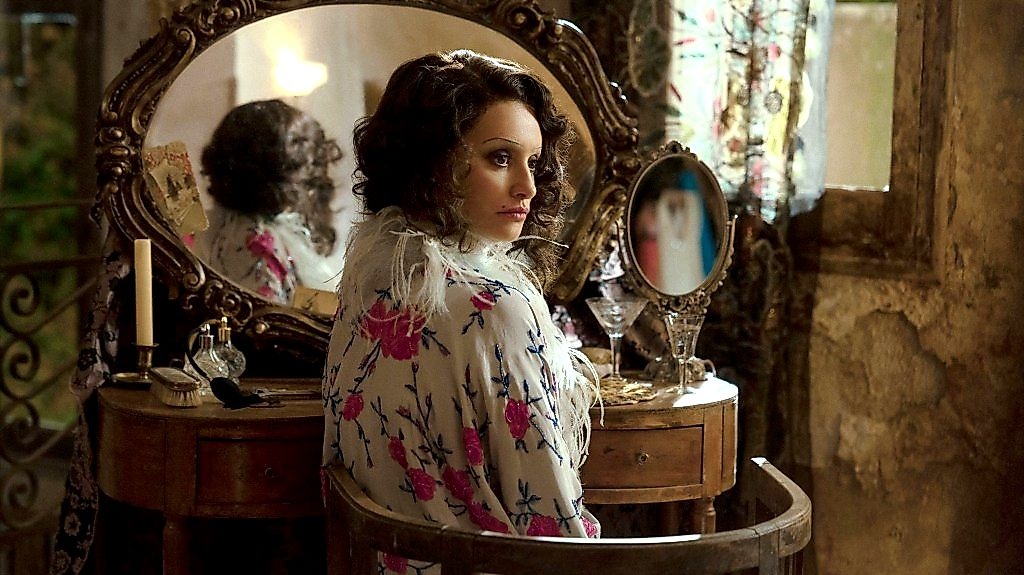
Netflix's $277k box office break shatters streaming dominance
The film earned $108.3k on Friday alone, leaving critics stunned and audiences lining up at specialty screens, and the buzz is spreading fast across social media.
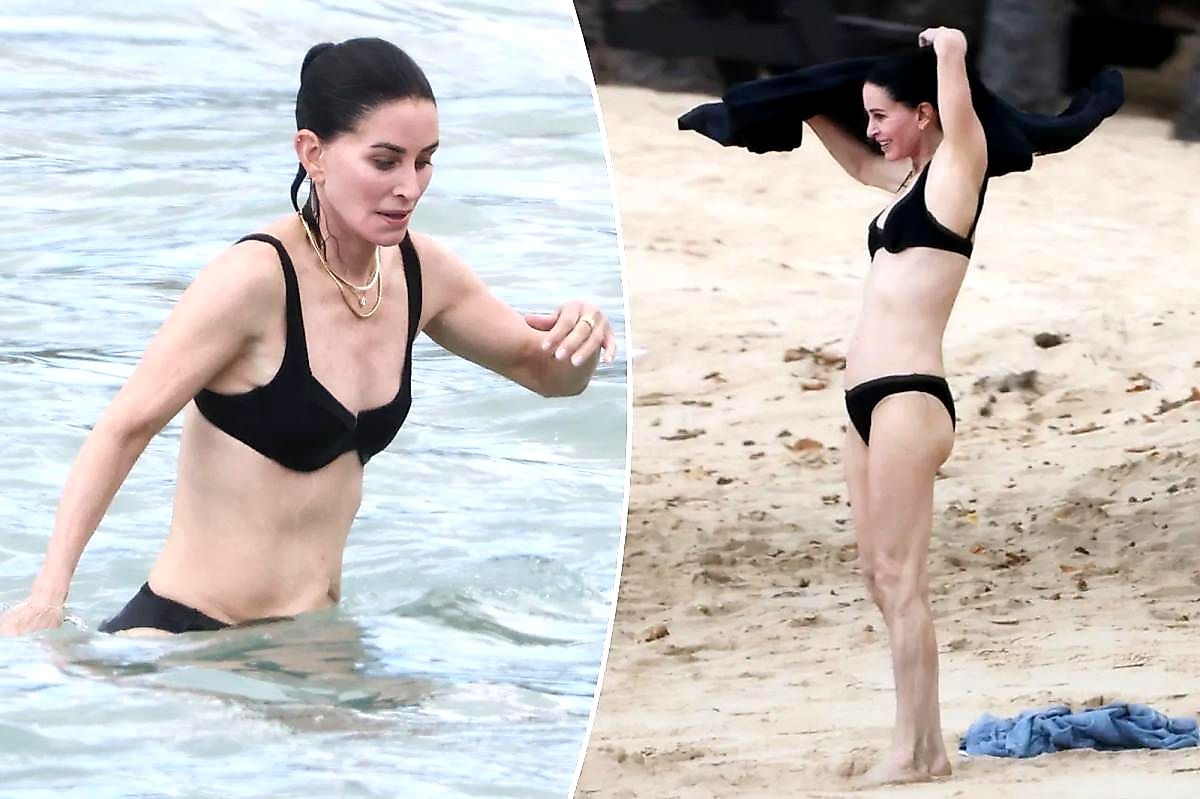
Courteney Cox 62 Turns Heads in Black Bikini on Hawaiian Beach
At Jennifer Meyer’s wedding, 62‑year‑old Courteney Cox stunned guests in a sleek black bikini, revealing a new fitness‑focused lifestyle that fans are buzzing about.
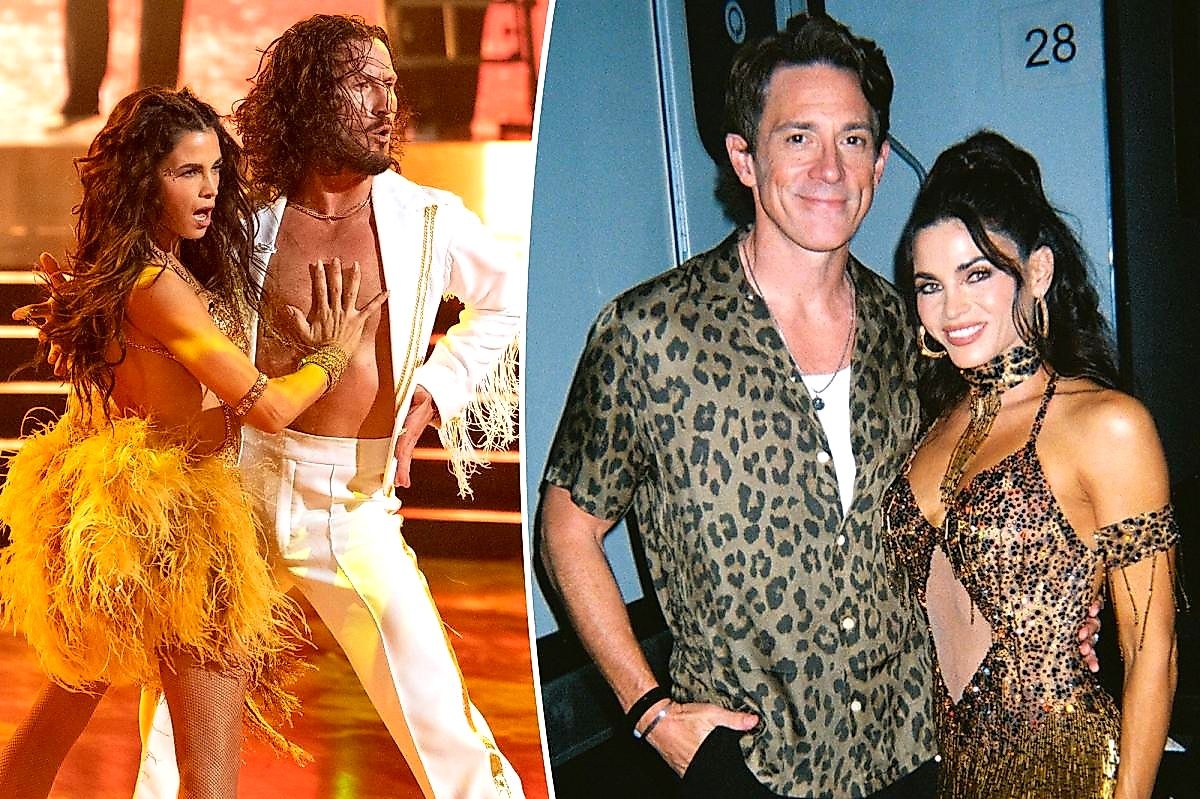
Steve Kazee's 'We Got You' Post Spurs Jenna Dewan After Val Suspension
Kazee wrote, 'Every time I think I can’t love you more…' as Jenna faced a sudden partner change right before the live finale.