
13% faster bedtime? Sleep earbuds promise quick wins—but trust?
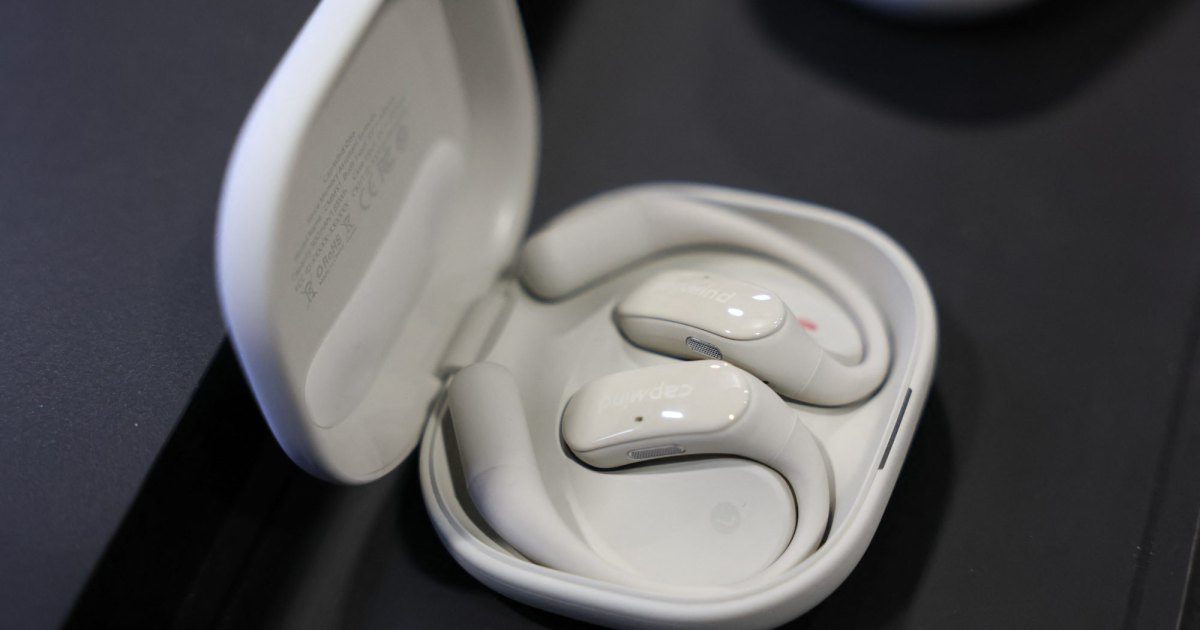
Sleep earbuds have evolved beyond simple white‑noise players, incorporating active noise cancellation (ANC), sound masking, and biometric sensors into a compact design that can be worn overnight. The devices promise to reduce nighttime disruptions while providing data on sleep duration and patterns.
Whether those promises hold up in real‑world use depends on fit, technology, and the accuracy of the tracking features.
A pilot study published in *Frontiers in Digital Health* evaluated Bose’s Sleepbuds, which pair ANC with sound masking. Among 55 participants exposed to environmental noise, the earbuds lowered measured sleep‑onset time by 13.3 percent and perceived sleep‑onset time by 32.5 percent.
Eighty‑six percent of those who completed the study reported falling asleep more easily, and 82 percent felt their overall sleep quality had improved.
Comfort is a key factor for overnight wear, especially for side sleepers. An audiologist at Cleveland Clinic notes that ill‑fitting earbuds can press against the ear canal, causing soreness or irritation. Prolonged use may also push earwax deeper or trap moisture, potentially raising infection risk.
Models that offer multiple tip sizes and wing‑style designs tend to reduce pressure during side sleeping.
## Background & Context
Earbuds designed for sleep are distinct from standard consumer earbuds in both shape and function. They use low‑profile housings that sit flush with the ear, minimizing pillow pressure and making them suitable for extended wear. Most incorporate some combination of passive isolation, ANC, or sound masking to blunt nighttime sounds.
Passive isolation works by physically sealing the ear canal, blocking high‑frequency noises. ANC counteracts low‑frequency sounds such as traffic or HVAC hum by emitting opposing sound waves. Sound masking overlays a steady audio stream—white noise, rain, or nature sounds—to smooth abrupt disturbances.
These three methods can be combined in a single unit, offering layered noise protection.
In addition to noise control, some sleep earbuds include motion sensors and microphones that estimate sleep duration, body position, and snoring patterns. Ear‑based sensing has shown promise in clinical research; a 2017 IEEE study used ear‑EEG to classify sleep stages with 78.5 % to 95.2 % accuracy.
Consumer models, however, typically rely on motion and acoustic data rather than direct EEG measurements.
## How Sleep Earbuds Work and Their Effectiveness
Sleep earbuds employ several technologies to address both noise and sleep monitoring. The ANC component typically operates in the 20–200 Hz range, targeting low‑frequency environmental noise that is most disruptive during sleep.
Sound‑masking circuits generate a continuous tone, often between 500 Hz and 2 kHz, to fill the acoustic void left by blocked sounds.
Battery life for most models falls between eight and ten hours, sufficient for a typical night’s sleep. Some units also offer Bluetooth connectivity, allowing users to stream music or podcasts instead of built‑in white‑noise tracks. This flexibility can be a deciding factor for people who prefer ambient audio over standard masking sounds.
The tracking capability in consumer earbuds generally estimates sleep stages from movement and sound level changes. A 2024 analysis in *Sensors* found that wearables could distinguish sleep from wakefulness with at least 95 % sensitivity. However, the accuracy of individual stage classification dropped to between 50 % and 86 %.
Consequently, while earbuds can highlight trends over time, they should not replace clinical sleep assessments.
## Practical Considerations for Consumers
Choosing the right model begins with evaluating fit. A low‑profile design and multiple ear‑tip options are essential for side sleepers or those who move frequently during the night. For instance, the Soundcore Sleep A30 weighs about 3 grams .
Noise‑control needs vary by environment. In a quiet bedroom, passive isolation may suffice. In a noisy urban setting, ANC and sound masking together can offer more comprehensive protection.
Users should test the earbuds in their specific setting before committing to a purchase.
When assessing sleep data, remember that consumer trackers use algorithms based on movement and acoustic cues rather than direct physiological measurements. They can be useful for identifying patterns—such as frequent nighttime awakenings—but are not a substitute for a professional sleep study.
Battery capacity, Bluetooth support, and an alarm feature also influence usability. An alarm can prevent oversleeping when the earbuds’ noise‑blocking mode keeps the user unaware of rising temperatures or alarms from other devices.
Checking whether the unit supports full Bluetooth audio is important for those who wish to stream music rather than rely on pre‑loaded sounds.
The cost of sleep earbuds varies widely, from under $50 to several hundred dollars for premium models with advanced sensors. Consumers should weigh the potential benefits against the price, especially since the data produced may be best interpreted as supplementary rather than definitive.
## Closing Thoughts
Sleep earbuds merge noise cancellation with basic sleep monitoring in a convenient form factor. Clinical studies suggest they can reduce time to fall asleep and improve perceived quality, though accuracy of stage detection remains limited.
For users who prioritize comfort and layered noise control, a well‑fitted earbud may enhance nighttime rest. However, the data from these devices should be treated as trend indicators rather than diagnostic tools.
Why It Matters
Our Take
GoNews Pulse Editorial Team
This article was prepared for publication by GoNews Pulse and checked for publication requirements under our editorial standards. We review available information and correct material errors when they are identified.
Quick Answers
- What is the latest update on this story?
- You miss a 13% quicker bedtime—discover how earbuds could improve your sleep quality.
- Who is this story about?
- This article covers developments related to 13% faster bedtime? Sleep earbuds promise quick wins—but trust?. GoNews Pulse's editorial team monitors the story and updates the article as new verified information becomes available.
- Where can I read more about Bose Sleepbuds?
- GoNews Pulse publishes original reporting on Bose Sleepbuds and related entertainment news. Visit the homepage or browse the section dedicated to this story for the latest coverage.
Related topics
- #Bose Sleepbuds
- #sleep earbuds
- #noise cancellation earbuds
- #sleep tracking
- #side sleepers
- #earbud fit
More From This Section

Jon Gosselin's 22‑Year‑Old Son Exposes Abuse, Father Shouts Support
Jon Gosselin declares that his son’s 22‑year‑old memoir exposes alleged institutionalization and a hidden ‘small holding’ cell, sparking a national debate.

Mike Colter's Valley Firm AGI Bo Revealed at 2:00 a.m. Shocks Fans
Rob McClure's portrayal of Bo forces the firm to confront a real‑world AGI asking for legal guardrails, sparking a tense ethical debate.

Meredith Grey's bed proposal to Nick on surgery table stuns fans
Meredith Grey slipped a ring into Nick's hand while he lay on the operating table, a move that stunned fans amid the bridge collapse.