
Skydance's $110B merger of Paramount and Warner Bros. shocks Hollywood
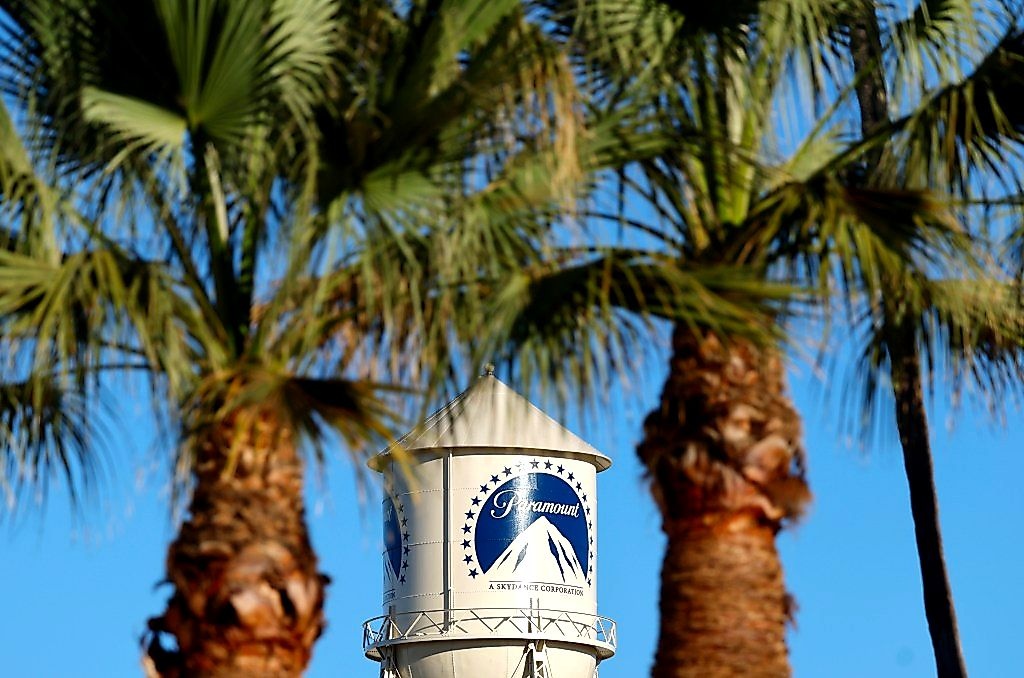
**Skydance Shakes the Industry: Paramount and Warner Bros. Discovery Unite Under a Bold New Name** When David Ellison announced on X that the long‑awaited merger of Paramount Pictures and Warner Bros.
Discovery would carry the moniker “Skydance,” the studio‑world erupted in a mix of bewilderment and excitement.
The 110‑billion‑dollar deal, set to close on Tuesday after a year of negotiations and a two‑month halt triggered by a coalition of state attorneys general and the Writers Guild of America, finally settled into a brand that feels both fresh and familiar.
The name is not merely a label; it is a deliberate attempt to honor two cinematic titans while signalling a new era of creative ambition. The choice of “Skydance” reflects Ellison’s long‑standing vision for his parent company, Skydance Media.
By placing the corporate umbrella under a name that does not overtly favor Paramount or Warner Bros., the executives aim to preserve each studio’s storied legacies.
The announcement also hinted at a strategic balancing act: keep Paramount and Warner Bros. visible to audiences while positioning Skydance as the engine that powers future projects.
For the 12 states that filed antitrust suits, the deal’s structure now includes a five‑year consent decree that mandates operational separation in several key business areas, a safeguard designed to allay fears that the merger could stifle competition or dissolve either brand.
In a market where identities are paramount, the ripple effects of this rebranding are already being felt. From distribution deals to streaming negotiations, the Skydance name carries weight, and stakeholders are scrambling to adapt.
Below, we unpack the layers of this corporate shift, examine the reactions swirling around Hollywood’s most consequential merger, and explore what lies ahead for the newly christened studio powerhouse. ## Background & Context Paramount and Warner Bros.
Discovery’s journey toward a unified entity began in the mid‑2020s as a response to a rapidly changing entertainment ecosystem. Both studios had struggled to keep pace with the streaming boom, prompting a partnership that promised scale, talent, and a diverse slate of content.
The $110‑billion valuation—one of the largest media mergers in history—was the culmination of a year‑long pursuit that saw Ellison navigate a complex web of regulatory scrutiny and creative negotiations.
At the heart of the deal’s legal hurdles was a coalition of 12 state attorneys general and the Writers Guild of America, which argued that the merger would create an illegal monopoly.
The lawsuit resulted in a five‑year consent decree that required the new entity to separate certain operations, ensuring that Paramount and Warner Bros. Discovery would retain distinct identities in specific business segments.
The decree also aimed to prevent the complete absorption of either brand, preserving the distinct market presence each had cultivated over decades. When Skydance Media first took the reins of Paramount in August 2025, the company faced a branding dilemma.
Paramount, a household name synonymous with blockbuster hits, was a consumer‑centric brand that resonated worldwide. Skydance, meanwhile, was still establishing itself as a corporate parent.
To bridge the gap, the official title initially read “Paramount, a Skydance Corporation.” This wording was later streamlined to “Paramount Skydance Corporation,” a compromise that kept Paramount front‑and‑center while acknowledging Skydance’s leadership role.
The final naming decision—“Skydance”—was a strategic move to avoid any perceived favoritism that could trigger further legal complications.
A name leaning too heavily on either Paramount or Warner Bros. could have been interpreted as diluting the other’s brand equity or, worse, as a direct affront to regulatory guidelines.
By choosing a neutral, yet evocative, moniker, Ellison crafted a corporate identity that could navigate both legal scrutiny and market perception. ## What People Are Saying Industry insiders are already dissecting the implications of the Skydance rebranding.
Executives at major distribution partners have expressed enthusiasm about the expanded creative pipeline that the merger promises. The ability to pool resources—ranging from production facilities to global marketing networks—positions Skydance to compete more aggressively against streaming juggernauts.
Analysts predict that the unified studio could leverage its broadened slate to secure higher-profile deals with platforms such as Netflix, Amazon Prime, and Disney+. Conversely, some talent agencies voice caution.
With the new entity’s structure, concerns arise over potential power imbalances. The five‑year consent decree is a mitigating factor, yet the precise scope of operational separation remains a point of scrutiny.
Writers, in particular, remain wary that the merger’s creative output might prioritize blockbuster franchises over more niche, character‑driven stories. Fans of classic cinema also find themselves caught in the swirl.
The sudden disappearance of the “Discovery” name from the corporate title feels symbolic, especially given the brand’s legacy in educational and documentary programming.
While the rebranding does not erase the content that once aired under the Discovery umbrella, it does signal a shift away from that identity toward a more unified, cinematic focus.
Media commentators note that the “Skydance” brand carries an inherent aspirational tone—implying expansive horizons and high‑flying ambition. Such connotations may help the studio attract top-tier directors and writers eager to work on projects that push creative boundaries.
However, the brand must also deliver on that promise, lest it face accusations of merely paying lip service to its lofty ideals. ## What Happens Next With the merger officially closed, Skydance faces a busy calendar of strategic moves.
The first priority is aligning the production pipelines of Paramount and Warner Bros. Discovery, ensuring that film and television projects are distributed efficiently across global markets.
The company’s leadership is already working on integrating distribution agreements, talent contracts, and technology platforms, all while staying compliant with the consent decree’s stipulations. Simultaneously, Skydance is poised to revisit its streaming strategy.
While the merger’s primary focus remains traditional theatrical releases and cable distribution, the company must negotiate its position in the increasingly fragmented streaming landscape.
Early indications suggest that Skydance may explore a hybrid model, offering select titles exclusively on streaming services while preserving theatrical windows for blockbuster releases. From an investment perspective, the deal opens new avenues for revenue diversification.
With a combined library of content spanning decades, Skydance can capitalize on nostalgia‑driven projects, revivals of beloved franchises, and the creation of fresh intellectual properties.
The company’s leadership is also expected to invest heavily in original content for emerging platforms, potentially carving out a niche in the competitive streaming arena. On the regulatory front, Skydance will need to maintain transparent communication with federal and state regulators to ensure ongoing compliance.
The five‑year consent decree requires regular reporting on operational separations and market behavior, meaning that the company’s executive team must keep a close eye on any developments that could trigger further scrutiny. Finally, the cultural impact of Skydance’s debut will unfold over the coming months.
As the studio releases new films and television series, audiences will test whether the promise of a “creative‑first home for bold, quality storytelling” translates into tangible, memorable entertainment.
If successful, Skydance could redefine how Hollywood conglomerates balance legacy brands with modern storytelling imperatives. In a world where media conglomerates are increasingly merged, the Skydance experiment offers a bold blueprint: honor the past, but forge a new path forward.
Whether it will achieve its lofty ambitions remains to be seen, but the stakes—and the possibilities—are undeniable.
At a Glance
- $110B merger renamed Skydance, keeping Paramount and Warner Bros. identities separate under a five‑year consent decree.
- Industry insiders see the merger as a chance to pool resources and compete with streaming giants like Netflix and Disney+.
- Fans worry the new corporate name could shift focus away from documentary and educational content formerly under Discovery.
Why It Matters
Our Take
GoNews Pulse Editorial Team
This article was prepared for publication by GoNews Pulse and checked for publication requirements under our editorial standards. We review available information and correct material errors when they are identified.
Quick Answers
- What is the latest update on this story?
- The deal includes a five‑year consent decree that keeps Paramount and Warner Bros. brands separate, a safeguard that critics called 'essential'.
- Who is this story about?
- This article covers developments related to Skydance's $110B merger of Paramount and Warner Bros. shocks Hollywood. GoNews Pulse's editorial team monitors the story and updates the article as new verified information becomes available.
- Where can I read more about celebrity news?
- GoNews Pulse publishes original reporting on celebrity news and related entertainment news. Visit the homepage or browse the section dedicated to this story for the latest coverage.
More From This Section

Jon Gosselin's 22‑Year‑Old Son Exposes Abuse, Father Shouts Support
Jon Gosselin declares that his son’s 22‑year‑old memoir exposes alleged institutionalization and a hidden ‘small holding’ cell, sparking a national debate.

Mike Colter's Valley Firm AGI Bo Revealed at 2:00 a.m. Shocks Fans
Rob McClure's portrayal of Bo forces the firm to confront a real‑world AGI asking for legal guardrails, sparking a tense ethical debate.

Meredith Grey's bed proposal to Nick on surgery table stuns fans
Meredith Grey slipped a ring into Nick's hand while he lay on the operating table, a move that stunned fans amid the bridge collapse.