
Silent Israeli Silhouettes Reveal 74k Gaza Deaths, Box Office Breaks
# Yuval Abraham’s 25‑Minute Standing Ovation Exposes Gaza’s Hidden Cost The film that has sent shockwaves through New York’s indie circuit, **NAZA**, began its U.S. run last Wednesday at the IFC Center, filling seats and breaking records in a city that has watched the Middle East’s crises from afar.
The two‑hour‑long documentary, written and directed by Israeli journalist Yuval Abraham and Israeli‑American filmmaker Rachel Szor, is a no‑frills, confrontational portrait of Israeli military strategy in Gaza, a topic that has long been shrouded in secrecy and denial.
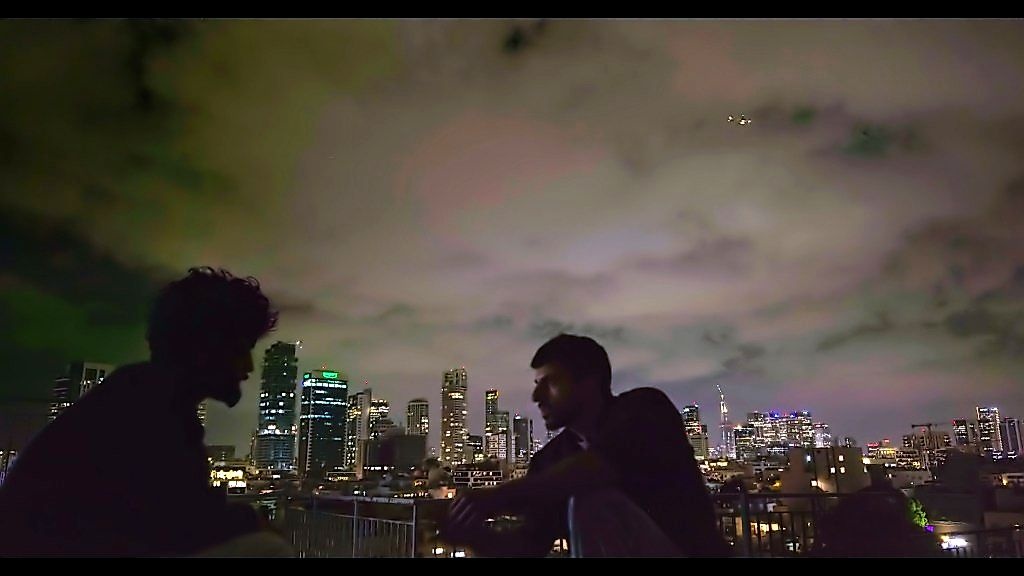
What sets *NAZA* apart is not just its subject matter but its raw, unfiltered storytelling. In the cramped, low‑light rooms of a Tel Aviv rooftop, Abraham and Szor sit in silence as a line of twenty‑four Israeli military officers and soldiers, their faces reduced to silhouettes, speak under digitally altered voices.
They speak in Hebrew, a language that echoes across the city’s modern skyline, about how the Israeli Defense Forces (IDF) calculate acceptable collateral damage—termed “NAZA”—in a war that has cost the lives of more than seventy‑four thousand Palestinians.
The documentary strips away the glossy veneer of official statements, revealing a grim calculus that ranges from “a few” to “hundreds” of civilian deaths deemed permissible. The film’s power lies in its absence of narration or graphics; it lets the testimonies speak for themselves.
That decision is deliberate: Abraham, who has spent years reporting for *The Guardian* on the destruction in Gaza since October 7, 2023, wanted to give space to those directly involved, rather than overlaying their words with editorial commentary.
The result is a stark, immersive experience that has been described by critics as “devastating” and “heartbreaking,” a description that resonated in the 25‑minute standing ovation the film earned at its Venice premiere—an unprecedented show of support for a documentary tackling such a fraught subject. ## Background & Context *NAZA* emerged from a collaboration between the Israeli‑American film collective that produced the Oscar‑winning *No Other Land* in 2024 and a team of Palestinian journalists, including Basel Adra and Hamdan Ballal.
Their shared history of documenting Israeli actions in the West Bank provided a foundation for the project, but the scope of *NAZA* extends far beyond a single battle zone.
The title itself, an acronym used by the IDF to denote the acceptable level of civilian casualties, signals the film’s intent: to hold a mirror to a military strategy that has often been justified in public forums but rarely scrutinized in detail.
The documentary’s structure—interviews conducted at night on Tel Aviv rooftops—underscores the clandestine nature of these conversations. By filming the officers in silhouette and editing their voices, Abraham and Szor create a sense of anonymity that paradoxically amplifies the gravity of their admissions.
The production team, composed of *The Guardian* and James Wilson’s JW Films, brought seasoned talent to the project. Jonathan Glazer, known for his work on *The Zone of Interest*, served as executive producer, lending the film an additional layer of cinematic credibility.
MTuckman Media handled U.S. bookings, a partnership that has helped *NAZA* reach a wide audience despite its niche subject matter.
The film’s world premiere at Venice, where it received a Special Jury Prize, was followed by a screening at the New York Film Festival, positioning it at the intersection of art, journalism, and activism. ## What People Are Saying In the United States, *NAZA* has already drawn a fervent crowd.
By noon on its opening day, most of the IFC Center’s Saturday and Sunday shows were sold out, and the film projected more than $70,000 in ticket sales for its first five days. The box office success is matched by a perfect score on Rotten Tomatoes, based on 32 reviews.
Audience members have described the experience as “unsettling yet necessary,” a testimony to the film’s ability to engage viewers on an emotional level while delivering hard facts. Internationally, the film has found resonance as well.
French sales company mk2 films has secured distribution in 56 markets, and *NAZA* opened in Italy with a revenue of €1.81 million ($2.1 million).
The Guardian’s decision to stream the documentary worldwide for free after an initial period of six to eight weeks signals an ambition to democratize access to the film’s content, ensuring that the conversation it sparks reaches the widest possible audience.
This move aligns with the documentary’s mission: to confront denial and silence on the ground. However, the film’s release has not been without controversy.
Israeli President Benjamin Netanyahu has threatened to revoke the filmmakers’ citizenship and has hinted at legislation that could make it illegal to criticize the armed forces.
In response, Abraham and Szor have chosen not to attend Q&A sessions at the Venice or New York premieres, Their absence has only intensified speculation about the political climate surrounding the film’s release. ## What Happens Next Looking ahead, *NAZA* is set to expand its theatrical run to over 60 theaters across more than 30 U.S. markets next weekend, a move that will bring the film to a broader audience and amplify its impact.
The directors have remained tight‑lipped about future appearances, but their silent stance has turned the film itself into the primary spokesperson.
The filmmakers’ focus on the raw, unscripted testimonies suggests that any further public engagement will likely continue to revolve around the content rather than the creators. Beyond the U.S. borders, the film’s distribution strategy is already unfolding.
With mk2 films handling the European and Asian markets, and The Guardian’s streaming initiative targeting audiences across 56 territories, *NAZA* is poised to become a global point of reference for discussions about military ethics and civilian protection in conflict zones.
The documentary’s unadorned presentation, combined with the strategic release plan, positions it to influence policymakers, academics, and ordinary citizens alike.
Meanwhile, the filmmakers’ partnership with the Palestinian collective hints at future projects that might explore other facets of the Israeli‑Palestinian conflict.
Given the success of *No Other Land*, which garnered $2.5 million worldwide, it is reasonable to anticipate that Abraham and Szor will continue to push the boundaries of documentary storytelling, tackling subjects that remain hidden from mainstream discourse.
The conversation sparked by *NAZA* has already begun to ripple across the cultural landscape, prompting critics, scholars, and activists to reevaluate how civilian casualties are discussed in war.
As the film reaches new markets and new audiences, its impact will likely grow, turning a 25‑minute documentary into a catalyst for dialogue and, potentially, change. In a world where stories often get lost in the noise, *NAZA* has carved a space for uncomfortable truths.
Its powerful, unfiltered portrayal of a nation's war policy challenges viewers to confront the harsh realities that lie beneath headlines, forcing a reckoning that extends far beyond the theater walls.
At a Glance
- Documentary exposes Israeli military’s calculated tolerance of up to hundreds of civilian casualties in Gaza.
- The film broke NYC indie box‑office records with a $70k opening weekend and earned a 100% Rotten Tomatoes score.
- The release sparked political backlash, with Netanyahu threatening filmmakers and the creators shying from Q&A sessions.
Why It Matters
Our Take
GoNews Pulse Editorial Team
This article was prepared for publication by GoNews Pulse and checked for publication requirements under our editorial standards. We review available information and correct material errors when they are identified.
Quick Answers
- What is the latest update on this story?
- The film shows Israeli officers whispering “the acceptable number” over a Tel Aviv rooftop, revealing a tolerance of up to hundreds of civilian deaths.
- Who is this story about?
- This article covers developments related to Silent Israeli Silhouettes Reveal 74k Gaza Deaths, Box Office Breaks. GoNews Pulse's editorial team monitors the story and updates the article as new verified information becomes available.
- Where can I read more about celebrity news?
- GoNews Pulse publishes original reporting on celebrity news and related entertainment news. Visit the homepage or browse the section dedicated to this story for the latest coverage.
More From This Section
Jessica Edwards' 27-Year Legacy Shakes Woodstock Film Festival
Jessica Edwards announced she will double the festival’s screen time for women filmmakers, promising a new wave of diverse stories at next spring’s event.

Taylor Swift's 36-Year-Old Red Turns Chiefs Fans Into Celebrity Crowd
Swift's front‑row red turtleneck and a heartfelt hug to Donna Kelce at Arrowhead left fans stunned as Chiefs edged Chargers 33‑30 in overtime.

Taylor Swift's 36-year-old drops 'The Fate of Ophelia' at Academy Gala
She stunned in a strapless pale‑blue Dior gown, opening with a brand‑new Toy Story 5 track and a 'Blank Space' performance, showcasing her theatrical flair.