
Sian Heder Shakes Oscars as First Deaf Screenplay Winner, CODA Triumph
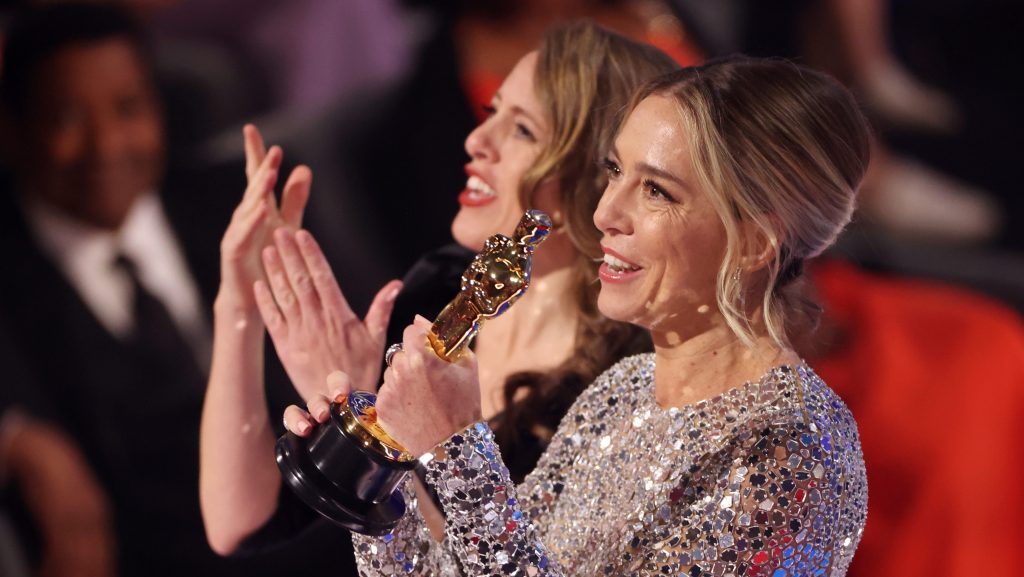
Sian Heder took the Academy Awards stage on the night of March 12, 2023, clutching her first Oscar for Best Adapted Screenplay after the film *CODA* (Child Of Deaf Adult) swept audiences and critics alike.
The movie, adapted from the 2014 French feature *La famille Bélier* written by Victoria Bedos, earned Heder a career‑making recognition at the ceremony.
During her acceptance, Heder’s speech unfolded with an American Sign Language interpreter beside her. She thanked everyone who believed in her vision, emphasizing that *CODA* was an independent film that required perseverance to get made.
Her words highlighted the collective effort of producers, crew, actors and the deaf community that helped bring the story to life.
The win marked a milestone not only for Heder but also for the film’s broader success. In addition to Best Adapted Screenplay, *CODA* secured Best Supporting Actor for Troy Kotsur and ultimately captured the coveted Best Picture award that evening.
## Background & Context
*CODA* began its journey at Sundance in 2021, where the film’s potential first attracted attention. Heder later credited the festival with launching her story into wider distribution, noting that “Sundance started this journey.” The project was also supported by Apple, which partnered on its production and release.
The partnership underscored the growing trend of streaming platforms investing in independent cinema.
The screenplay itself is a layered adaptation. It pulls from Bedos’s original narrative while incorporating Heder’s personal experiences as an aspiring singer who felt unheard by her family.
She described the story as “a metaphor because I have the feeling that my family don’t hear me when I was little.” This blend of external inspiration and internal reflection gave the film its distinctive voice.
## What People Are Saying
In her address, Heder acknowledged the deaf and CODA communities that inspired her creative journey. She expressed gratitude to the actors who brought authenticity to their roles and to the crew that translated the story onto screen.
Her acknowledgment of those who “believed in me” reinforced the collaborative nature of filmmaking, especially for projects centered around underrepresented voices.
The acceptance speech also shed light on how Heder’s personal background shaped *CODA*. She recalled meeting her father’s assistant—a CODA—when she was young and feeling a kinship with that experience.
By intertwining that encounter with her own adolescent aspirations, she fashioned a screenplay that resonated with both deaf and hearing audiences alike.
The film’s accolades extended beyond the script. Troy Kotsur’s performance earned him Best Supporting Actor, cementing *CODA*’s status as a cultural touchstone. The movie’s ultimate triumph came with Best Picture, confirming its artistic and commercial impact.
## What Happens Next
While the Academy Awards have already elevated Heder’s profile, her win signals new opportunities within the industry. Having delivered a screenplay that earned both critical acclaim and a record‑breaking Best Picture award, she is poised to explore further projects that blend personal narrative with broader social themes.
The success of *CODA* also highlights the viability of independent films that address specific community experiences, suggesting a promising future for similar stories.
In the weeks following the ceremony, industry insiders anticipate a surge in interest around Heder’s future endeavors. Her experience illustrates how a deeply personal vision—when executed with authenticity and collaboration—can achieve both artistic integrity and widespread recognition.
**In short,** Sian Heder’s Oscar win for *CODA* not only celebrates her as an emerging force in screenwriting but also affirms the film’s lasting influence on cinema that champions diverse voices.
Why It Matters
Our Take
GoNews Pulse Editorial Team
This article was prepared for publication by GoNews Pulse and checked for publication requirements under our editorial standards. We review available information and correct material errors when they are identified.
Quick Answers
- What is the latest update on this story?
- She shatters Hollywood's silence, becoming the first deaf writer to claim an Oscar for adapted screenplay.
- Who is this story about?
- This article covers developments related to Sian Heder Shakes Oscars as First Deaf Screenplay Winner, CODA Triumph. GoNews Pulse's editorial team monitors the story and updates the article as new verified information becomes available.
- Where can I read more about Sian Heder?
- GoNews Pulse publishes original reporting on Sian Heder and related entertainment news. Visit the homepage or browse the section dedicated to this story for the latest coverage.
Related topics
- #Sian Heder
- #CODA
- #Deaf representation film
- #Apple film partnership
More From This Section

Jon Gosselin's 22‑Year‑Old Son Exposes Abuse, Father Shouts Support
Jon Gosselin declares that his son’s 22‑year‑old memoir exposes alleged institutionalization and a hidden ‘small holding’ cell, sparking a national debate.

Mike Colter's Valley Firm AGI Bo Revealed at 2:00 a.m. Shocks Fans
Rob McClure's portrayal of Bo forces the firm to confront a real‑world AGI asking for legal guardrails, sparking a tense ethical debate.

Meredith Grey's bed proposal to Nick on surgery table stuns fans
Meredith Grey slipped a ring into Nick's hand while he lay on the operating table, a move that stunned fans amid the bridge collapse.