
LaBeouf’s Stalker Pleads Guilty, Judge Suspends Jail, Forces Treatment
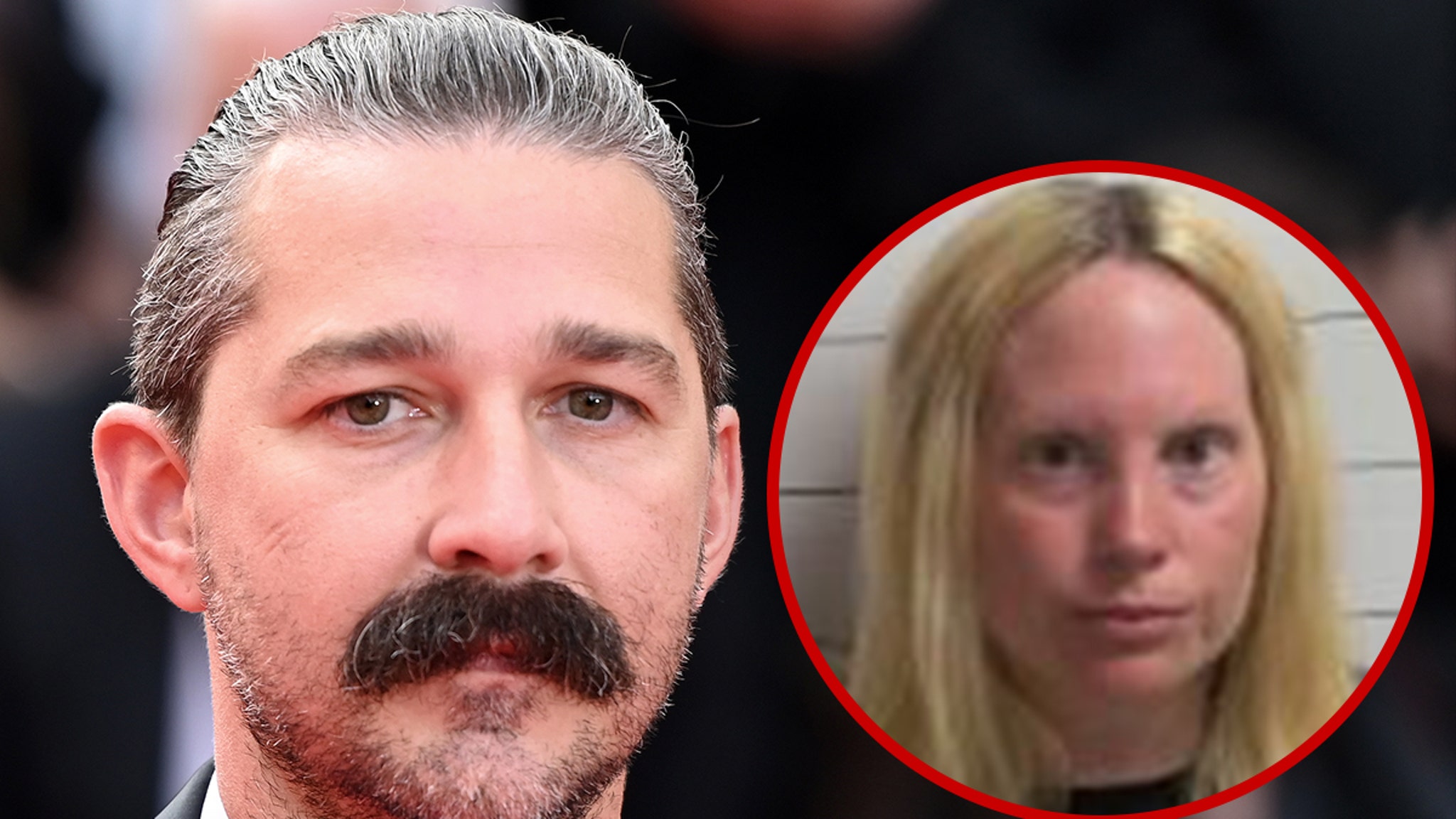
Shia LaBeouf was confronted in a bank parking lot in Louisiana on July 13 after a woman who had been following him was arrested. The incident led to a plea of guilty to stalking charges against the woman, Alyssa Couture.
She avoided jail time as part of her sentence.
Court documents show that the judge ordered Couture to serve one year in jail, but the sentence was suspended. Instead, she will spend a year on probation and must complete a mental‑health program. The order also bars her from contacting LaBeouf or approaching his residences.
---
## Background & Context
Alyssa Couture was taken into custody after law enforcement noted her presence near the bank where LaBeouf and his girlfriend were in the parking lot. Earlier that day, she reportedly followed the actor for a short distance before being stopped by officers.
The arrest came after several days of police observations, during which Couture appeared to be determined to find LaBeouf.
Couture’s statements to police varied widely. She claimed she was in Louisiana to “close the demon portal,” a phrase that surfaced in multiple conversations with law enforcement. At one point, she identified herself as LaBeouf’s wife and asserted that he was a clone whose DNA had been mixed with hers.
She further alleged that this clone was being trafficked.
The case was charged as a misdemeanor stalking offense. Prosecutors noted that the woman’s persistent pursuit of LaBeouf constituted an unlawful threat or fear of harm. The charge is consistent with state laws that prohibit repeated, unwanted contact toward another person.
---
## What People Are Saying
Shia LaBeouf’s representatives issued a statement confirming that the actor was unaware of any ongoing legal proceedings against him at the time of Couture’s arrest. The statement emphasized that LaBeouf had no knowledge of Couture’s claims or allegations regarding a “clone” or other supernatural explanations.
No comment has yet been released by Couture about her sentencing or her alleged intentions.
Law enforcement officials reiterated that the court’s decision to suspend the jail sentence was based on the plea and the judge’s assessment that rehabilitation would be more appropriate than incarceration.
The judge also emphasized that the order will hold Couture accountable for maintaining a safe distance from LaBeouf, with violations likely triggering immediate legal consequences.
Mental‑health experts who were part of the court’s assessment noted that Couture’s behavior—repeatedly seeking out LaBeouf and making bizarre claims—suggests a need for structured therapy. The program she is required to complete focuses on impulse control and reality testing, the court documents.
---
## What Happens Next
The probation period will last for 12 months, during which Couture must report regularly to a probation officer. Any violation of the conditions—such as approaching LaBeouf’s home or contacting him through any means—will result in the revocation of probation and potential jail time.
The court has specifically outlined that her contact restriction includes a minimum distance requirement from LaBeouf’s known residences.
The mental‑health program, mandated by the judge, requires Couture to attend weekly counseling sessions for at least 12 weeks. Failure to complete the program or attend sessions will also lead to probation revocation. The court documents do not specify whether the program is state‑run or privately administered.
As for LaBeouf, no additional legal steps have been announced. His management team has stated that he plans to continue his current projects and does not intend to pursue further legal action against Couture. No civil claims have been filed by LaBeouf’s side at this time.
---
## Expanded Background: Shia LaBeouf’s Career and Public Image
Shia LaBeouf first rose to prominence in 2004 with a small role in *The Last Castle* and gained wider recognition for his portrayal of the titular character in *The Last Airbender* (2008). Since then, he has traversed the realms of blockbuster adventure, independent drama, and experimental performance art.
Notably, his work on the short film series *The Midnight Beast* showcased his willingness to push creative boundaries, while his participation in the immersive theater piece *The Shia LaBeouf Project* (2014) cemented his reputation as an avant‑garde provocateur.
LaBeouf’s career has not been without turbulence. He faced public scrutiny over alleged misconduct at the Cannes Film Festival in 2016 and was later involved in a highly publicized lawsuit against his former talent agency in 2019.
These incidents, coupled with his frequent social media engagement, have fostered a polarizing fan base that simultaneously celebrates his artistry and remains wary of his controversial actions.
---
## Fan Reaction
Within hours of the court filing, fans flooded social media platforms with a mixture of support and concern. Twitter threads quickly trended with hashtags such as #ShiaSaves #ProtectTheArt and #StopStalking.
Many followers applauded the judge’s decision to hold Couture accountable while also emphasizing the importance of mental‑health treatment over punitive measures.
On Instagram, several fan accounts created graphic posts featuring LaBeouf’s iconic “Do you have a dream?” meme, overlayed with captions encouraging empathy toward those experiencing psychological distress.
This wave of support extended to the director community; a group of independent filmmakers posted a short video on TikTok celebrating LaBeouf’s commitment to creative experimentation and applauding the justice system for prioritizing rehabilitation.
Conversely, a minority of users expressed outrage at what they perceived as leniency. These voices urged that any form of stalking be met with immediate incarceration and highlighted the potential danger such behavior poses to public figures.
They referenced past incidents in which celebrities faced physical threats from obsessive fans, underscoring the seriousness of the issue.
---
## Industry Impact
The case has sparked a broader conversation within Hollywood regarding how stalking allegations are addressed both legally and ethically. Industry insiders note that the industry’s collective emphasis on “safe spaces” for talent is increasingly coupled with proactive measures, such as personal security teams and digital safety training.
Entertainment lawyers have used this instance to advise clients that plea bargains in stalking cases often include probation and therapy mandates, allowing for both public accountability and personal reform.
Production companies are revisiting their contracts to ensure clauses that protect actors from harassment while preserving the right to seek legal recourse when necessary.
this episode may influence casting decisions, as talent agencies weigh the potential reputational risks of associating with individuals who have faced stalking allegations—whether as victims or perpetrators. Some agencies have begun offering workshops on boundary setting and digital privacy for actors navigating high‑profile roles.
---
## Historical Context: Stalking Laws in Louisiana
Louisiana’s stalking statutes classify the offense as a misdemeanor unless the stalker has engaged in prior violent conduct or if the victim is a minor. The law requires that the offender be apprehended within 24 hours of the last contact to avoid aggravating factors.
In this case, Couture’s continuous pursuit over several days satisfied the statutory definition, and her eventual arrest fell within the 24‑hour window.
Historically, Louisiana has balanced punitive and rehabilitative approaches. Judges in similar cases have often opted for probation combined with mandatory counseling, . This case fits within that paradigm, reflecting a judicial preference for restorative justice over incarceration when feasible.
---
## Closing Thoughts
In the end, the case underscores how a single encounter can lead to a formal legal outcome. The judge’s decision to suspend jail in favor of probation and therapy reflects a broader approach to managing stalking cases, aiming for rehabilitation rather than punishment alone.
The situation remains under court supervision for the foreseeable future.
The broader entertainment community will likely take note of this development, potentially recalibrating how it supports artists who find themselves entangled in legal or personal crises.
For Shia LaBeouf, the incident is a reminder that public life is inseparable from private vulnerability—a reality that his fans and colleagues continue to navigate together.
Why It Matters
Our Take
GoNews Pulse Editorial Team
This article was prepared for publication by GoNews Pulse and checked for publication requirements under our editorial standards. We review available information and correct material errors when they are identified.
Quick Answers
- What is the latest update on this story?
- Judge gives Alyssa Couture a suspended jail term but forces her onto a year of probation and a mental‑health program, a twist that stuns fans.
- Who is this story about?
- This article covers developments related to LaBeouf’s Stalker Pleads Guilty, Judge Suspends Jail, Forces Treatment. GoNews Pulse's editorial team monitors the story and updates the article as new verified information becomes available.
- Where can I read more about Shia LaBeouf?
- GoNews Pulse publishes original reporting on Shia LaBeouf and related entertainment news. Visit the homepage or browse the section dedicated to this story for the latest coverage.
Related topics
- #Shia LaBeouf
- #Alyssa Couture
- #probation
More From This Section

Jon Gosselin's 22‑Year‑Old Son Exposes Abuse, Father Shouts Support
Jon Gosselin declares that his son’s 22‑year‑old memoir exposes alleged institutionalization and a hidden ‘small holding’ cell, sparking a national debate.

Mike Colter's Valley Firm AGI Bo Revealed at 2:00 a.m. Shocks Fans
Rob McClure's portrayal of Bo forces the firm to confront a real‑world AGI asking for legal guardrails, sparking a tense ethical debate.

Meredith Grey's bed proposal to Nick on surgery table stuns fans
Meredith Grey slipped a ring into Nick's hand while he lay on the operating table, a move that stunned fans amid the bridge collapse.