
Shia LaBeouf's Mardi Gras Night Ends in Ambulance After Alley Clash
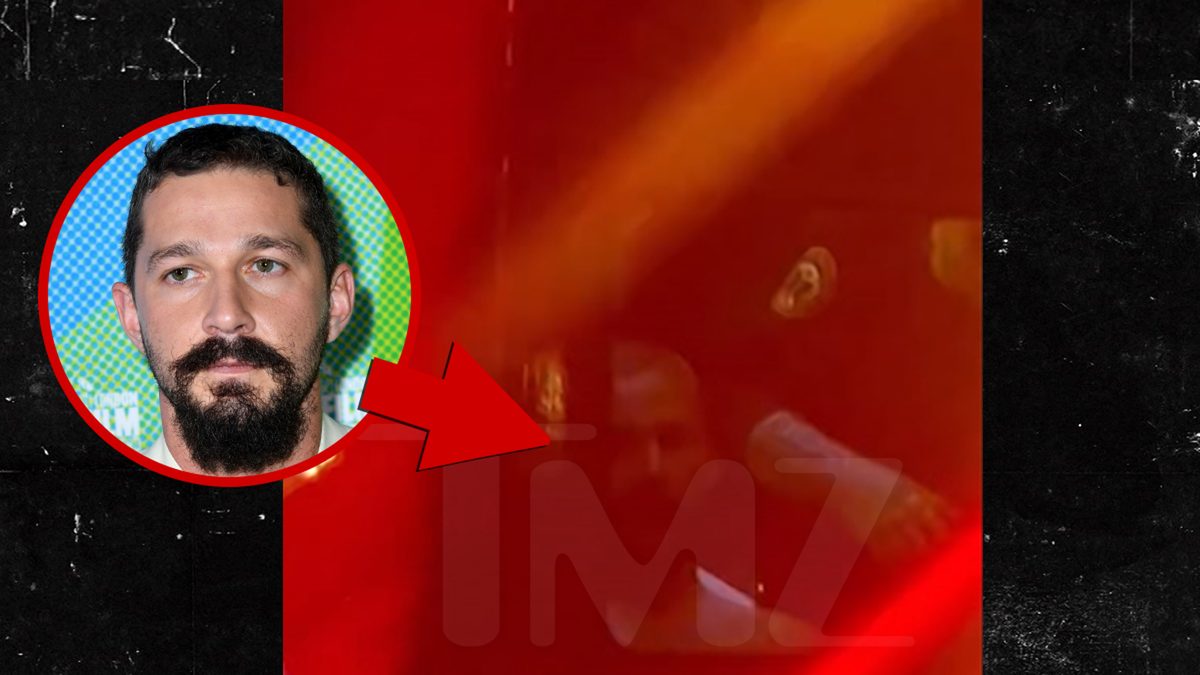
**SHIA LABEOUF’S MARDIGRAS NIGHT: FROM PARTYING IN THE QUARTER TO A VIOLENT ALLEY CLASH**
The night began with confetti and jazz horns. By midnight, it had dissolved into shouts, flashing lights, and a struggle that ended with the actor sprawled against a French Quarter wall, his back turned to the world as paramedics swarmed over him.
Shia LaBeouf’s late-night Mardi Gras outing in New Orleans—one that had started with him laughing, twirling, and celebrating in the street just hours earlier—collapsed into violence, leaving him arrested, battered, and facing legal trouble.
The images of him being manhandled, then later loaded into an ambulance, serve as a stark reminder of how quickly even the most vibrant nights can unravel.
The incident, which unfolded just after midnight Tuesday outside a dim-lit bar, wasn’t just another drunken scuffle. Video from the scene shows LaBeouf, once a Hollywood icon, reduced to a figure struggling against multiple people before police intervened.
Eyewitnesses describe him being escorted out by staff before the confrontation escalated, then returning to the bar’s front steps where paramedics found him—bloodied, disoriented, and needing care.
By dawn, he was in police custody, charged with two counts of simple battery, adding another entry to a troubled public record that has seen rehab stints, legal battles, and the unraveling of a career once synonymous with raw, chaotic energy.
What makes this moment more than just a celebrity scandal is the contrast between the man who emerged from the streets that night and the one who had been seen earlier, dancing through the French Quarter’s post-parade glow.
Hours before the altercation, LaBeouf was caught on camera laughing with strangers, arms raised in the air, soaking up the festive madness. That version of him—the one still chasing the thrill of the night—had already vanished by the time the fight broke out.
The images of him being helped into the ambulance, shirtless and tattoos exposed, feel like a punchline to a story that once promised so much more.
---
## **FROM HOLLYWOOD ICON TO THE STREETS OF NEW ORLEANS**
LaBeouf’s trajectory from method-acting prodigy to this night in New Orleans is a study in contradiction. A decade ago, he was the face of transformative, boundary-pushing cinema, playing real-time characters in films like *Honey Boy* and *Fury Road*.
But his personal life has become a rollercoaster of struggles—addiction, mental health crises, and a series of public meltdowns that seemed to mirror the chaos of his on-screen performances. The 2017 arrest in Savannah, where he was charged with public intoxication after a viral rant in a hotel lobby, marked a turning point.
That incident led to court-mandated rehab, where he later spoke about the trauma and PTSD rooted in his childhood that fueled his substance use.
The Mardi Gras incident isn’t an isolated event, but it’s one of the most visible in recent years. LaBeouf has spoken openly about his battles, framing them as a fight against demons that haunted him long before fame. Yet the cycle—celebration followed by collapse—has become a recurring theme.
The question now is whether this moment will be the one that finally breaks the pattern or just another chapter in a life that has defied easy narratives. The French Quarter, with its neon signs and fleeting revelry, may have been the perfect stage for a man who once thrived in chaos but now seems trapped in it.
What’s striking is how quickly the night shifted from euphoria to emergency. One video shows LaBeouf mid-dance, grinning as confetti rains down around him; another captures him being restrained by strangers in a back alley.
The contrast isn’t just in the location but in the man himself—from the charismatic performer to the figure now facing charges. It’s a reminder that for all the talk of redemption and recovery, the old impulses never truly fade.
---
## **THE VIDEO THAT SHOWS IT ALL UNRAVEL**
The raw footage of the altercation is brutal in its simplicity. LaBeouf, shirt off, is seen leaning into a man on the street before the confrontation erupts. Then, within seconds, he’s being shoved, held down, and surrounded by a group of people who appear to be subduing him.
The video doesn’t show a premeditated assault—just a moment where tempers flared, and the night’s adrenaline turned violent. When police arrive, they find him already being attended to by medics, suggesting the scuffle left him injured enough to require attention.
The aftermath is even more telling. Shirtless, with his back turned to the camera, LaBeouf stands near the bar as paramedics assess him. He’s talking, gesturing—still the performer, even in defeat.
The images of him being loaded into the ambulance, lights flashing, feel like a metaphor for his career: once a star, now reduced to a headline in a city known for its second chances.
The charges of simple battery, while minor in the legal sense, carry weight in the public eye, especially for a man who has spent years trying to reclaim his image.
What the video doesn’t capture is the lead-up—the laughter, the dancing, the sense of freedom that must have felt intoxicating before it all went wrong. Mardi Gras is a time for abandon, but even in its wildest moments, the city’s rhythm usually reins in the chaos.
For LaBeouf, though, the night didn’t just get away from him—it turned on him in the blink of an eye.
---
## **WHAT PEOPLE ARE SAYING: BETWEEN SYMPATHY AND SKEPTICISM**
Reactions to the incident have split between concern for LaBeouf’s well-being and frustration over what feels like a repeated cycle. Some fans, who once adored his fearless performances, have taken to social media with a mix of worry and exhaustion.
“I hope he’s okay,” one wrote, while others pointed out that this isn’t the first time he’s faced public backlash for behavior tied to his struggles. The discussion around his mental health and addiction has reignited, with many acknowledging the complexity of his battles but also questioning whether outside support has been enough.
Industry insiders, speaking off the record, describe LaBeouf as a talent who has always been ahead of his time—both in his work and his personal demons. His ability to disappear from the public eye for years, only to re-emerge with raw, vulnerable projects, has made him a fascinating figure in Hollywood.
But the Mardi Gras incident forces a reckoning: Can a man who has built his career on chaos ever truly step out of its shadow? The answer may lie in whether this moment becomes a wake-up call or just another blip in a life defined by highs and lows.
What’s clear is that New Orleans, with its own history of excess and redemption, may have been an unintended stage for this particular reckoning. The city thrives on transformation—ash to celebration, sorrow to joy—but LaBeouf’s night ended in a way that even its most chaotic corners can’t soften.
---
## **WHAT HAPPENS NEXT: COURT, REHAB,
OR ANOTHER CHAPTER?**
The immediate next steps are straightforward: LaBeouf will face court for the battery charges, a process that could be resolved relatively quickly if he enters a plea deal. But the real question is what comes after. His history suggests he’s no stranger to legal trouble, rehab, or the whiplash of public opinion.
The difference this time might be the location—New Orleans, a city that understands second chances better than most. Some recovery programs there specialize in treating performers and creatives, offering a space to confront the demons that have followed LaBeouf for years.
There’s also the matter of his career. Films like *Honey Boy* proved he can deliver powerful, introspective work when he’s sober and focused. But the industry is fickle, and repeated public incidents risk pushing him further to the margins.
Will this be the moment he steps back, or the one that finally forces him to confront the life he’s been living? The answer may hinge on whether he uses the quiet that follows Mardi Gras—not just the city’s, but his own—to rebuild.
For now, the images of him being helped into the ambulance linger. It’s a far cry from the days when he was the poster boy for a generation’s restlessness. But in a city built on reinvention, perhaps even this can be a starting point.
The question is whether LaBeouf will let it be.
--- The night in New Orleans didn’t just show Shia LaBeouf at his lowest—it showed him at a crossroads. The man who danced through the French Quarter’s streets earlier that evening wasn’t the same one left bloody and battered by dawn. The difference between the two versions of him isn’t just in the bruises.
It’s in whether this time, the night ends differently.
Why It Matters
Our Take
GoNews Pulse Editorial Team
This article was prepared for publication by GoNews Pulse and checked for publication requirements under our editorial standards. We review available information and correct material errors when they are identified.
Quick Answers
- What is the latest update on this story?
- When a heated Mardi Gras alley brawl turns violent, LaBeouf flees to an ambulance, sparking an arrest that leaves fans stunned.
- Who is this story about?
- This article covers developments related to Shia LaBeouf's Mardi Gras Night Ends in Ambulance After Alley Clash. GoNews Pulse's editorial team monitors the story and updates the article as new verified information becomes available.
- Where can I read more about Mardi Gras?
- GoNews Pulse publishes original reporting on Mardi Gras and related entertainment news. Visit the homepage or browse the section dedicated to this story for the latest coverage.
Related topics
- #Mardi Gras
- #Ambulance
More From This Section
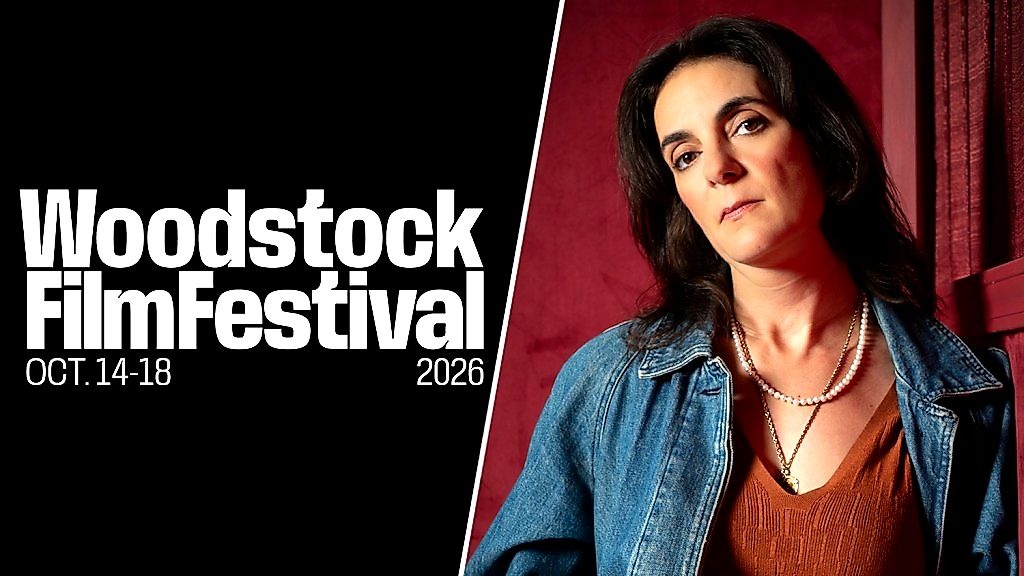
Jessica Edwards' 27-Year Legacy Shakes Woodstock Film Festival
Jessica Edwards announced she will double the festival’s screen time for women filmmakers, promising a new wave of diverse stories at next spring’s event.
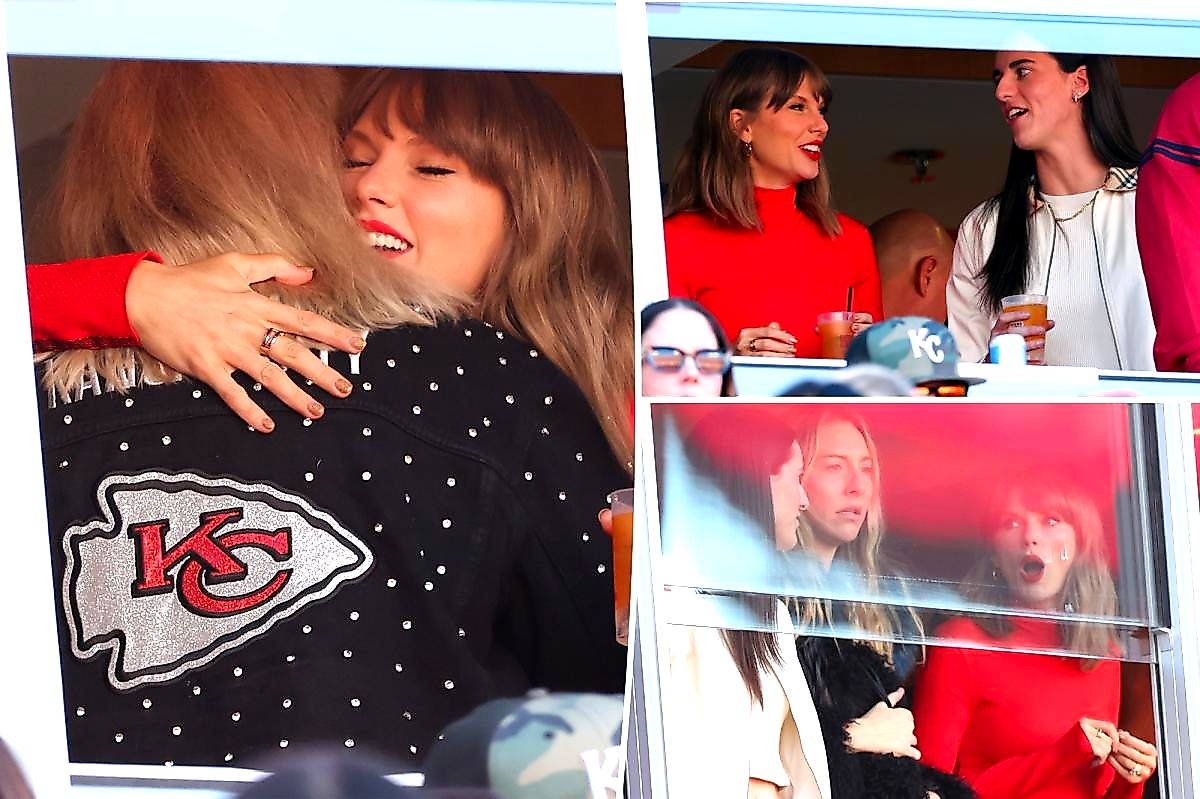
Taylor Swift's 36-Year-Old Red Turns Chiefs Fans Into Celebrity Crowd
Swift's front‑row red turtleneck and a heartfelt hug to Donna Kelce at Arrowhead left fans stunned as Chiefs edged Chargers 33‑30 in overtime.
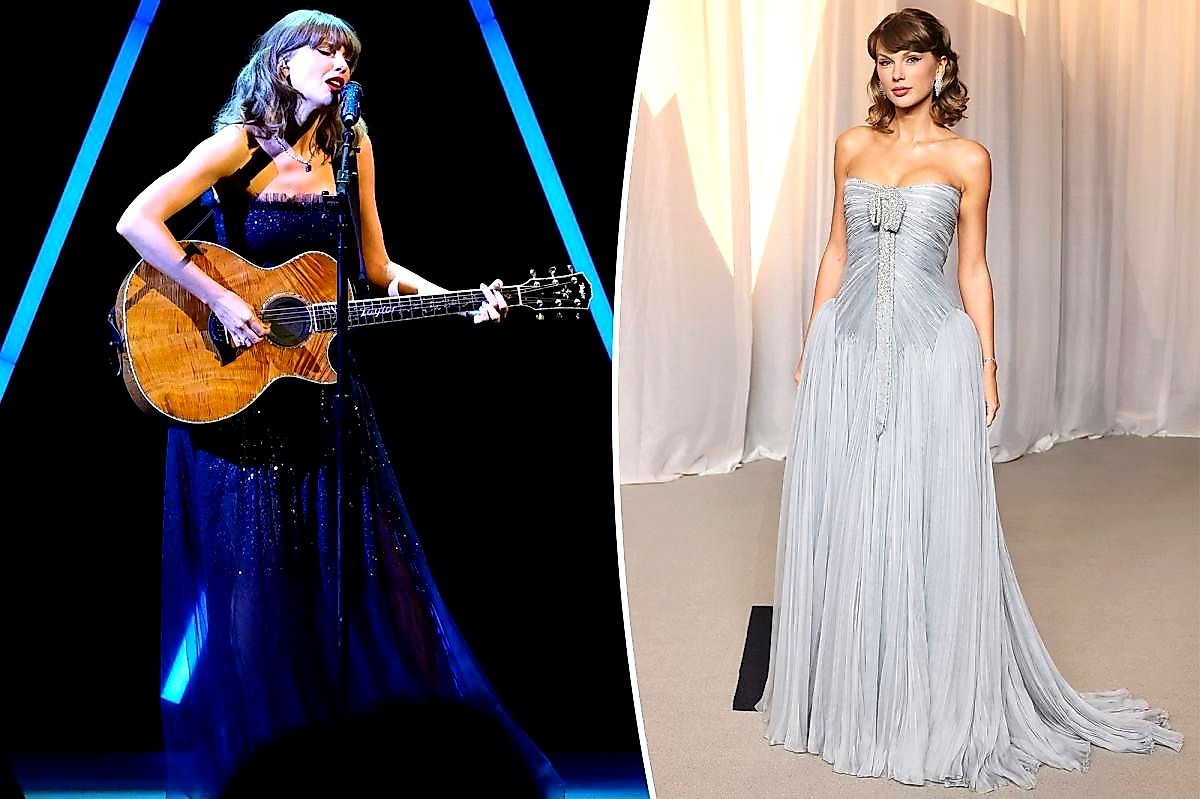
Taylor Swift's 36-year-old drops 'The Fate of Ophelia' at Academy Gala
She stunned in a strapless pale‑blue Dior gown, opening with a brand‑new Toy Story 5 track and a 'Blank Space' performance, showcasing her theatrical flair.