
Shangri‑La Tiger Leaping Gorge rockfall forces hikers into escape
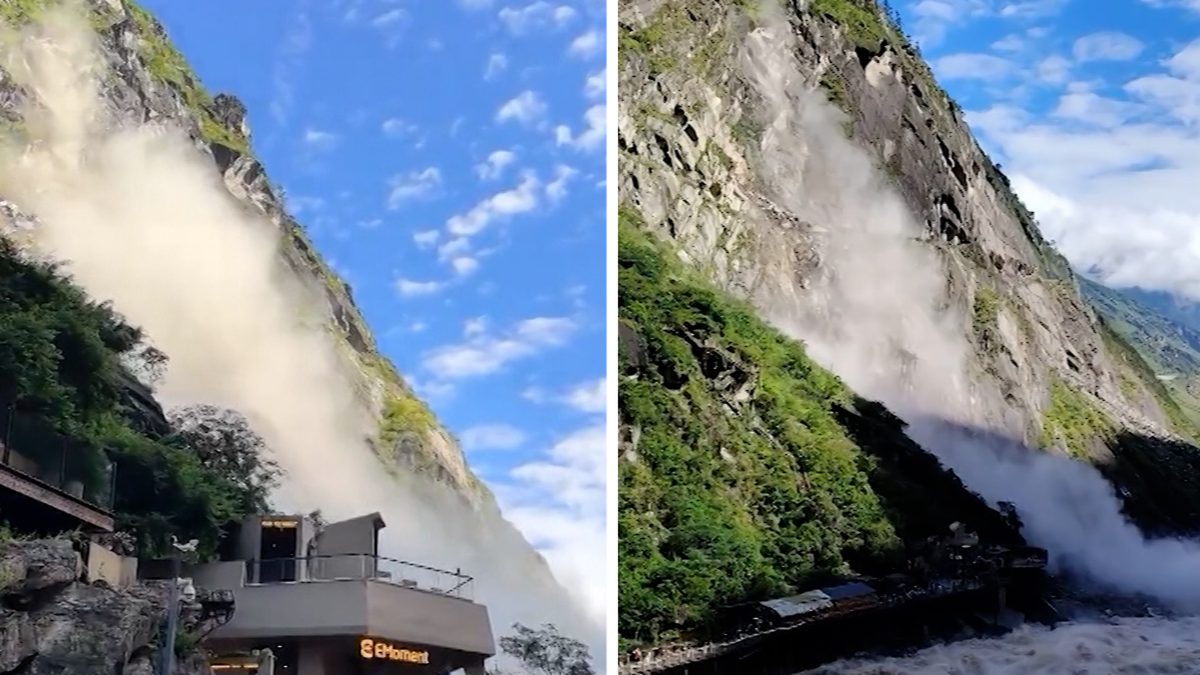
A sudden rockslide rattled the Shangri‑La Tiger Leaping Gorge scenic area in Yunnan province on Tuesday morning at about 10:30 a.m. Heavy boulders tumbled from nearly 2,000 feet above the gorge, cascading into the rushing river below.
Witnesses filmed the debris plummeting past nearby buildings, and several tourists were seen sprinting away from the danger zone.
The incident, captured on video by on‑site visitors, showed no injuries. The gorge remained open for access after the slide, the tourism management company. Travelers were advised to stay clear of the northern cliff side until a thorough safety assessment was complete.
Rockfalls have occurred in the area before, with smaller slides noted in July and August of the same year. The region’s steep terrain and monsoon season contribute to frequent rockfall activity along popular trekking routes.
## Background & Context
Shangri‑La Tiger Leaping Gorge is a renowned tourist destination within the Diqing Tibetan Autonomous Prefecture, attracting hikers and photographers each year. The gorge’s dramatic cliffs and river vistas make it a focal point for adventure tourism in southern China.
Visitor numbers have steadily risen, with an estimated 300,000 tourists reported in the previous fiscal year.
The area is known for its geological instability, with frequent landslides reported during the wet season. Geologists cite the region’s high rainfall and steep slopes as primary factors that increase rockfall risk. Local authorities have implemented monitoring systems to detect ground movement in key tourist corridors.
Following the Tuesday slide, the Shangri‑La Tiger Leaping Gorge Tourism Management Company activated its emergency response protocol. Staff conducted safety checks on adjacent trails, and a temporary closure of the northern path was announced while assessments were underway.
The company confirmed that the gorge would remain open after preliminary evaluations indicated no immediate threat to visitors.
## What People Are Saying
The tourism management company stated that all safety inspections were completed within two hours of the slide, and no hazardous materials or unstable rock formations were identified near the main viewing platforms. the company said in a statement released to visitors.
Social media posts from tourists documented their experience of the rockfall, noting that emergency personnel arrived quickly and guided people away from the most affected areas. Many users praised the swift response, though some highlighted concerns about the potential for future slides in similar spots.
Local officials from the Diqing Prefecture issued a brief statement thanking emergency crews for their prompt action and reiterating that no injuries had been reported. The statement also mentioned that a detailed geological survey would be conducted to better understand the trigger mechanisms of the slide.
## What Happens Next
The gorge has officially reopened to visitors, with signage reminding tourists to exercise caution near the northern cliff edge. Park rangers have increased patrols in the area and will monitor for signs of additional rock movement during the upcoming wet season.
Authorities plan to upgrade existing rockfall monitoring equipment and install early warning systems along key routes. A collaborative study with regional universities is slated to begin next month, aiming to map high‑risk zones and develop improved mitigation strategies.
Tour operators have adjusted their schedules temporarily, postponing high‑altitude hikes that involve proximity to the northern slope. While visitor numbers remain steady, some tour companies are offering alternative routes to ensure guest safety during the remainder of the season.
The incident underscores the need for ongoing vigilance in areas prone to geological hazards, especially as tourism traffic continues to grow. Officials will release further updates on safety measures and any additional findings from the upcoming survey.
---
## A Brief History of Shangri‑La’s Rugged Beauty
Shangri‑La’s appeal is rooted in its unique blend of cultural heritage and natural grandeur. Named after the fictional utopia in James Hilton’s *Lost Horizon*, the area has long been a pilgrimage site for Tibetan monks and a magnet for photographers seeking the perfect shot of mist‑shrouded peaks.
In the 1990s, the Chinese government opened the region to international tourism, and by 2005, Tiger Leaping Gorge had become one of Yunnan’s flagship attractions.
The gorge itself is carved by the Jinsha River, a tributary of the Yangtze. Its name—translated as “Tiger Leaping” or “Giant Leap”—derives from a local legend that a tiger once leapt across the canyon in a single bound.
Over the decades, the area has faced several geological challenges: a 2002 landslide that briefly closed the main trail, and a series of rockfalls in 2010 that prompted the installation of temporary rock‑fall nets.
Each incident pushed authorities to enhance safety protocols, culminating in the comprehensive monitoring system in place today.
## Fan Reaction: From Fear to Appreciation
The immediate online reaction was a mix of shock, relief, and curiosity. A 22‑year‑old hiker from Chengdu posted a reel titled with over 15,000 views within hours.
Another traveler from Singapore shared a photo of the smoldering trail, captioned Despite the adrenaline‑filled footage, comments largely praised the swift evacuation and the calm demeanor of park staff.
A local guide who had worked in the gorge for 12 years offered an inside perspective. he told a group on the trail. His comments resonated with many, reinforcing trust in the management’s preparedness.
Meanwhile, a group of backpackers from Vietnam expressed concern about future seasons: This question echoed across forums dedicated to trekking in Yunnan, prompting discussions on balancing tourism with environmental stewardship.
## Industry Impact: A Wake‑up Call for Safety Standards
The incident has prompted a ripple effect across China’s adventure‑tour sector. Operators in neighboring provinces are reviewing their own rockfall mitigation plans. Many now consider installing real‑time seismic sensors and deploying drone‑based surveillance to monitor cliff stability, especially during monsoon months.
From an economic perspective, tourism in the Diqing Prefecture contributes roughly 1.5 % of Yunnan’s GDP. While the brief closure did not drastically alter visitor numbers, it highlighted that safety incidents can erode confidence quickly.
Travel agencies are increasingly offering “risk‑managed” itineraries that incorporate contingency plans and emergency contact details.
In terms of regulatory impact, the local government has drafted a new set of guidelines for scenic areas prone to geological hazards. These guidelines will require operators to submit quarterly safety reports and to conduct joint drills with local emergency services.
Although the regulations are still in draft form, they signal a shift towards stricter oversight.
## Looking Ahead: Science Meets Safety
The collaboration with regional universities—specifically Yunnan University’s Geology Department and Xiamen University’s Environmental Engineering School—aims to apply cutting‑edge research to practical solutions. One of the proposed projects involves the deployment of fiber‑optic strain sensors along the northern cliff face.
These sensors can detect micro‑shifts in rock mass, providing early warning before a full‑blown slide occurs.
Additionally, the study will analyze rainfall patterns, soil moisture content, and seismic activity to create a predictive model. Such a model could be integrated into a mobile app that alerts tourists in real time if a particular trail is deemed high risk for the day.
For visitors, these advancements translate into increased confidence. The tourism company has already announced plans to publish an updated safety guide featuring interactive maps and real‑time updates. This initiative demonstrates how technology can bridge the gap between adventure and assurance.
## Closing Thoughts
The Tuesday rockfall at Shangri‑La Tiger Leaping Gorge serves as a stark reminder of nature’s power, even in a place that has long been celebrated for its beauty.
While no injuries were reported and the gorge remains open, the incident has spurred meaningful dialogue about risk management, technological integration, and sustainable tourism practices.
Fans across the globe continue to share their experiences—some fearful, many appreciative of the swift response—and their voices are shaping a future where adventure does not compromise safety.
As authorities, operators, and scientists work together to monitor and mitigate geological risks, Shangri‑La can look forward to welcoming visitors with confidence, preserving both its natural wonder and its place on the world’s travel map.
Why It Matters
Our Take
GoNews Pulse Editorial Team
This article was prepared for publication by GoNews Pulse and checked for publication requirements under our editorial standards. We review available information and correct material errors when they are identified.
Quick Answers
- What is the latest update on this story?
- A massive rockslide collapses at Shangri‑La’s Tiger Leaping Gorge, and hikers scramble to cross the rushing river before the trail reopens.
- Who is this story about?
- This article covers developments related to Shangri‑La Tiger Leaping Gorge rockfall forces hikers into escape. GoNews Pulse's editorial team monitors the story and updates the article as new verified information becomes available.
- Where can I read more about Yunnan?
- GoNews Pulse publishes original reporting on Yunnan and related entertainment news. Visit the homepage or browse the section dedicated to this story for the latest coverage.
Related topics
- #Yunnan
- #Diqing Prefecture
- #rockfall monitoring
More From This Section

Jon Gosselin's 22‑Year‑Old Son Exposes Abuse, Father Shouts Support
Jon Gosselin declares that his son’s 22‑year‑old memoir exposes alleged institutionalization and a hidden ‘small holding’ cell, sparking a national debate.

Mike Colter's Valley Firm AGI Bo Revealed at 2:00 a.m. Shocks Fans
Rob McClure's portrayal of Bo forces the firm to confront a real‑world AGI asking for legal guardrails, sparking a tense ethical debate.

Meredith Grey's bed proposal to Nick on surgery table stuns fans
Meredith Grey slipped a ring into Nick's hand while he lay on the operating table, a move that stunned fans amid the bridge collapse.