
Cory Booker blasts Paramount‑Warner deal, claiming it’s illegal and deadly to Hollywood
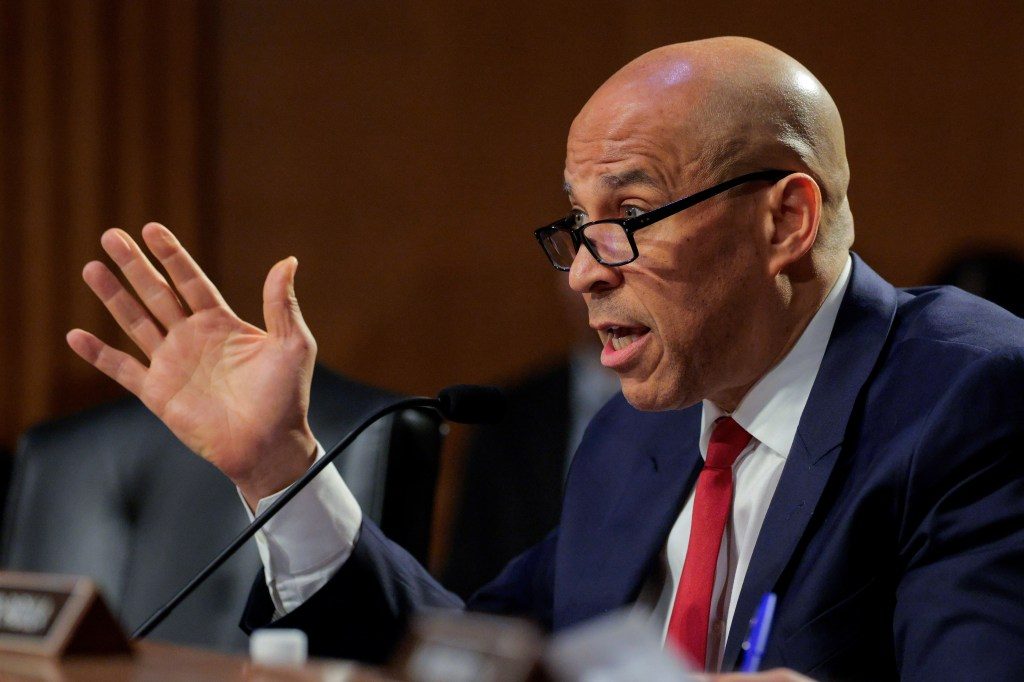
Senator Cory Booker (D‑CA) has taken a stern stand against the settlement that clears the way for Paramount‑Warner Bros. Discovery’s high‑profile merger, arguing that the deal is not only unlawful but also poses a grave threat to competition in both film production and cable distribution.
In a series of remarks and press releases, Booker warned that the consolidation would reduce the number of independent studios, merge two of the largest basic‑cable owners, and place almost one third of theatrical output under a single corporate umbrella—an arrangement that could stifle creative diversity and harm workers across the entertainment ecosystem.
Booker’s criticism escalated when Paramount threatened to exit California if its lawsuit was not dismissed. The senator labeled the threat “extortion” and cautioned that it would lead to job losses, wage stagnation, and a narrowing of the stories told in Hollywood.
While the settlement does provide behavioral remedies—commitments on film production and theatrical as well as cable negotiations—it does not require any asset divestiture unless those promises are breached. Critics say that this lenient structure effectively hands Paramount‑Warner Bros.
Discovery a clean bill of health while leaving the market vulnerable.
## Background & Context
The controversy stems from a long‑standing battle over Hollywood’s antitrust future. Paramount and Warner Bros., each with an array of iconic franchises, have been in talks to merge for years, a process that has drawn the attention of federal regulators, state attorneys general, and the film community at large.
The merger follows a similar path to the 2019 Disney acquisition of 21st Century Fox and the 2018 Comcast purchase of NBCUniversal—both deals that reshaped cable line‑ups and studio portfolios. In each case, the U.S.
Justice Department and the Federal Trade Commission conducted extensive investigations, ultimately allowing the mergers to proceed under a set of behavioral commitments.
Booker, who chairs the Senate Judiciary antitrust subcommittee, opened a “spotlight” hearing in April that was not an official Senate proceeding but a public platform for actors and industry stakeholders to voice their concerns.
Notable participants included Mark Ruffalo and other prominent actors who criticized the deal’s potential to crush competition and limit the number of voices on screen. Paramount’s CEO David Ellison declined to attend, .
Historically, Hollywood’s antitrust landscape has been shaped by landmark rulings such as the 1948 *United States v. Paramount Pictures, Inc.* decision, which dismantled the studio system’s vertical integration.
The merger under scrutiny today threatens to reverse that progress by re‑integrating production and distribution arms that were once legally separated.
Booker's remarks echo this legacy, underscoring how a modern consolidation could create a “super‑studio” capable of controlling a disproportionate share of content pipelines—from box office releases to cable syndication.
## What People Are Saying
The settlement was reviewed by nearly 70 jurisdictions—including California, New York, and Illinois—each of which reportedly accepted the deal.
Paramount’s public relations team touted the agreement as a “strategic alignment that will empower creators and broaden choice for audiences.” They emphasized that no commitments were made regarding CNN or other news properties to any government agency, a point that drew sharp criticism from Booker, who expressed deep concern about an editorial board hand‑picked by Ellison to oversee CBS News and CNN compliance.
Fans and industry insiders have taken to social media and professional forums to voice their apprehensions. A popular Twitter thread amassed over 15,000 retweets from movie enthusiasts, many of whom lamented the potential loss of “independent voices” that could be eclipsed by a single corporate giant.
On a prominent film‑production subreddit, users debated whether the merger would jeopardize funding for mid‑budget projects and create an environment where only blockbuster franchises receive green lights.
Industry analysts note that the merger could also impact distribution agreements with streaming platforms. With Warner Bros. Discovery already possessing a vast library of content, the new entity could leverage its catalog to negotiate more favorable terms with services like Netflix, Disney+, and Amazon Prime.
The consolidation may also enable exclusive deals that limit access for competitors, thereby tightening the market further.
## What Happens Next
The debate over Paramount‑Warner Bros. Discovery’s settlement highlights a pivotal intersection between corporate power and regulatory oversight.
Senator Booker has signaled his intention to scrutinize any future mergers approved by the current administration, warning that “the current environment invites unchecked corporate dominance.” He pointed to recent visits by Defense Secretary Pete Hegseth and Deputy Attorney General Todd Blanche to the Justice Department, suggesting a potentially cozy relationship between the merger’s proponents and federal officials.
The Senate Judiciary antitrust subcommittee may take additional action—potentially convening a formal hearing or requesting further documentation from Paramount‑Warner Bros. Discovery.
State attorneys general, particularly those in California and New York, could also pursue supplemental legal remedies as the merger unfolds, including the possibility of class‑action lawsuits or injunctions aimed at enforcing behavioral commitments.
Ultimately, the outcome will hinge on a mix of congressional oversight, judicial review, and industry pressure. If the settlement stands unchallenged, Paramount‑Warner Bros. Discovery could dominate Hollywood’s distribution landscape, controlling a significant share of theatrical releases and cable broadcasts.
Conversely, a robust regulatory push could force structural changes—such as forced divestitures or stricter behavioral limits—that preserve competition and protect creative diversity.
The unfolding saga serves as a stark reminder that the health of the film and television ecosystem depends on vigilant oversight.
As Hollywood looks toward an era increasingly defined by streaming and conglomerate ownership, the stakes are higher than ever for lawmakers, creators, and audiences alike to ensure that competition remains vibrant and that the stories told in cinema reflect a broad spectrum of voices rather than a handful of corporate interests.
Why It Matters
Our Take
GoNews Pulse Editorial Team
This article was prepared for publication by GoNews Pulse and checked for publication requirements under our editorial standards. We review available information and correct material errors when they are identified.
Quick Answers
- What is the latest update on this story?
- Booker claims the merger is illegal and will kill indie studios—find the evidence that could topple Hollywood’s power structure.
- Who is this story about?
- This article covers developments related to Cory Booker blasts Paramount‑Warner deal, claiming it’s illegal and deadly to Hollywood. GoNews Pulse's editorial team monitors the story and updates the article as new verified information becomes available.
- Where can I read more about Senator Cory Booker?
- GoNews Pulse publishes original reporting on Senator Cory Booker and related entertainment news. Visit the homepage or browse the section dedicated to this story for the latest coverage.
Related topics
- #Senator Cory Booker
- #Paramount Pictures
- #Warner Bros. Discovery
- #cable distribution
- #film production
More From This Section

Jon Gosselin's 22‑Year‑Old Son Exposes Abuse, Father Shouts Support
Jon Gosselin declares that his son’s 22‑year‑old memoir exposes alleged institutionalization and a hidden ‘small holding’ cell, sparking a national debate.

Mike Colter's Valley Firm AGI Bo Revealed at 2:00 a.m. Shocks Fans
Rob McClure's portrayal of Bo forces the firm to confront a real‑world AGI asking for legal guardrails, sparking a tense ethical debate.

Meredith Grey's bed proposal to Nick on surgery table stuns fans
Meredith Grey slipped a ring into Nick's hand while he lay on the operating table, a move that stunned fans amid the bridge collapse.