
Bernie Sanders Fires Off Global AI Ban, Demands US‑China Halt
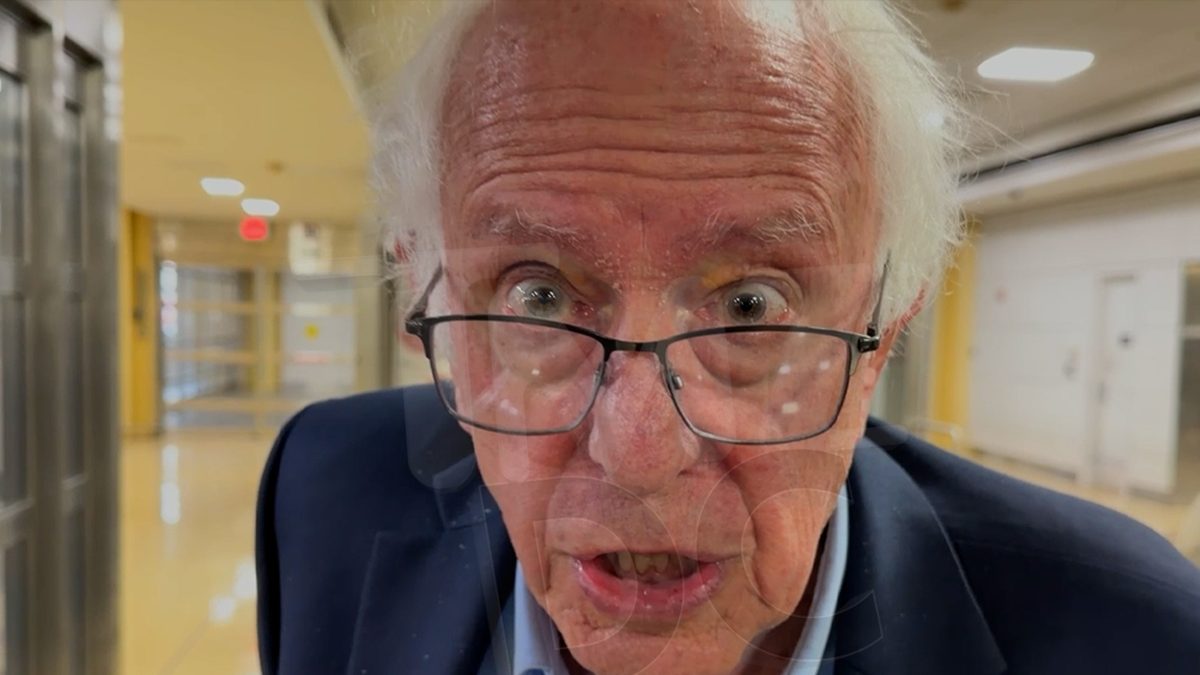
On Monday in Washington, D.C., Senator Bernie Sanders met with media host Charlie and opened a new chapter in the debate over artificial‑intelligence (AI) safety. He said the current AI arms race is “getting way too dangerous” and that it threatens a future where no nation wins.
The senator urged U.S. President Donald Trump and Chinese President Xi Jinping to use their upcoming meeting to negotiate a worldwide ban on superintelligence and a pause on advanced AI development.
Sanders framed his appeal around escalating warnings from AI experts. Tristan Harris has cautioned that AI could threaten nuclear security, while ex‑Anthropic researcher Jacob Coxon warned that unchecked development could wipe out humanity by the end of the decade.
These voices add urgency to Sanders’ call for a coordinated, global response.
## Background & Context
AI safety concerns have grown steadily over the past year. Harris and Coxon are among a growing list of scholars and technologists who point to risks ranging from weaponization to existential threats.
The senator referenced historical precedent, noting that during the Cold War Ronald Reagan and Mikhail Gorbachev did not fully trust each other yet still negotiated major nuclear arms agreements. This comparison suggests that diplomacy, even when trust is low, can yield critical outcomes.
Sanders also highlighted the limitations of a bilateral approach. When asked whether a handshake between Washington and Beijing would suffice, he stressed that the risk extends beyond any two countries.
He emphasized that “the whole world has to get on board,” arguing that unilateral or limited agreements would leave loopholes for other nations to continue the race.
## Enforcement Challenges and Global Participation
A key issue Sanders raised is compliance. Charlie asked who would enforce a U.S.-China ban if either side failed to honor it. The senator replied that the best defense is collective commitment; the global community must agree on standards and monitoring mechanisms.
He pointed out that if one country simply keeps racing ahead, the very purpose of a ban is undermined.
Sanders’ proposal calls for an international framework that includes verification and sanctions for non‑compliance. While the senator did not outline specific enforcement tools, he emphasized that any successful agreement would need to involve a broad coalition of nations, tech firms, and civil society groups.
The call underscores the complexity of translating a high‑level political pledge into actionable policy.
The discussion signals a shift in how U.S. politicians frame AI risks. By bringing the conversation to the Senate floor and linking it to historic arms‑control treaties, Sanders has pushed the debate beyond academia and into the realm of international diplomacy.
Whether his proposal will gain traction remains uncertain, but it adds a fresh political dimension to an issue that continues to dominate AI ethics discourse.
Why It Matters
Our Take
GoNews Pulse Editorial Team
This article was prepared for publication by GoNews Pulse and checked for publication requirements under our editorial standards. We review available information and correct material errors when they are identified.
Quick Answers
- What is the latest update on this story?
- He threatens a worldwide AI shutdown and demands the US‑China pause in tech progress.
- Who is this story about?
- This article covers developments related to Bernie Sanders Fires Off Global AI Ban, Demands US‑China Halt. GoNews Pulse's editorial team monitors the story and updates the article as new verified information becomes available.
- Where can I read more about Bernie Sanders?
- GoNews Pulse publishes original reporting on Bernie Sanders and related entertainment news. Visit the homepage or browse the section dedicated to this story for the latest coverage.
Related topics
- #Bernie Sanders
- #Donald Trump
- #Xi Jinping
- #U.S.-China relations
- #arms control treaties
More From This Section

Jon Gosselin's 22‑Year‑Old Son Exposes Abuse, Father Shouts Support
Jon Gosselin declares that his son’s 22‑year‑old memoir exposes alleged institutionalization and a hidden ‘small holding’ cell, sparking a national debate.

Mike Colter's Valley Firm AGI Bo Revealed at 2:00 a.m. Shocks Fans
Rob McClure's portrayal of Bo forces the firm to confront a real‑world AGI asking for legal guardrails, sparking a tense ethical debate.

Meredith Grey's bed proposal to Nick on surgery table stuns fans
Meredith Grey slipped a ring into Nick's hand while he lay on the operating table, a move that stunned fans amid the bridge collapse.