
Sean 'Diddy' Combs Loses 41 Good‑Time Days After 5 Violations
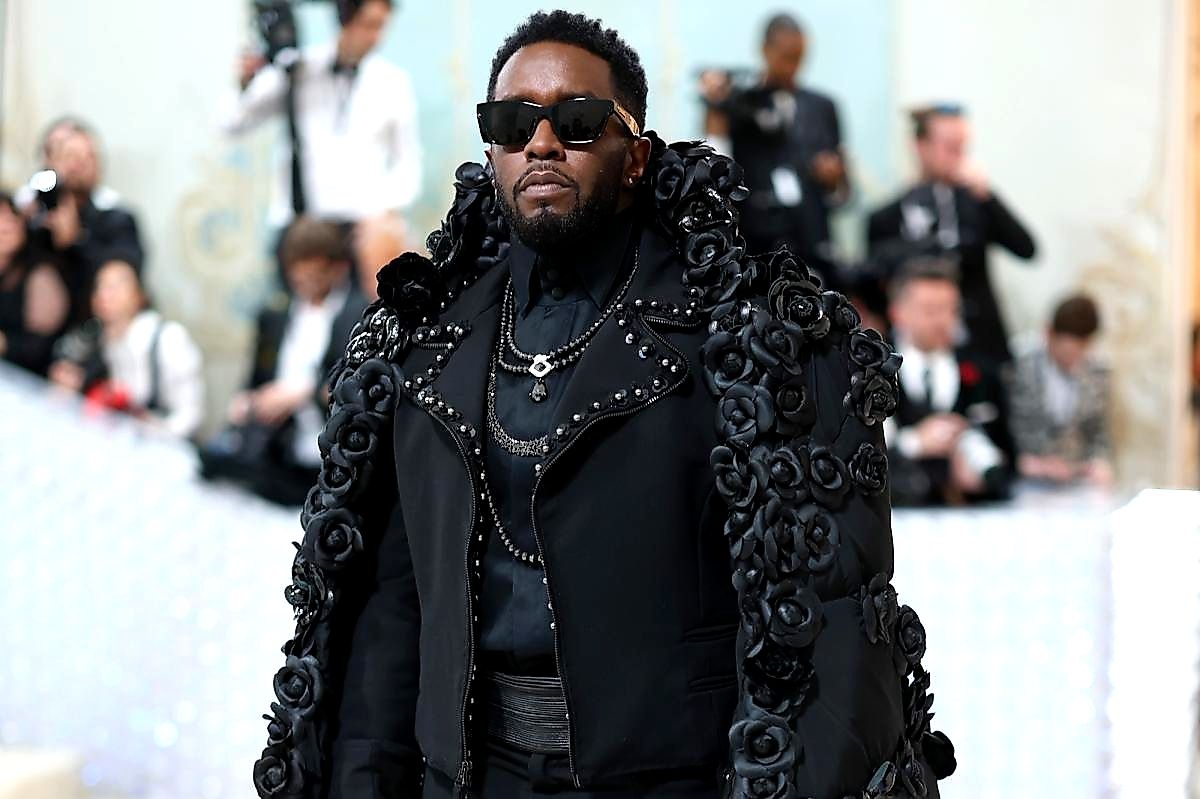
**Sean “Diddy” Combs Loses 41 Good‑Time Days After Multiple Disciplinary Infractions at FCI Fort Dix** When the world’s most watched music mogul entered a Federal Correctional Institution in New Jersey last summer, the headlines were as sharp as the beats he’d once produced.
Now, more than a year into his 50‑month sentence, a fresh batch of disciplinary records has emerged, showing that the 56‑year‑old former rapper and entrepreneur has accrued five infractions that will shave 41 days off his good‑time credit and strip him of 400 days of commissary privileges.
The violations—reported on July 7, July 31, September 19, September 30 and October 1, 2025—include alleged fights and unauthorized cell‑phone use, and could prompt a “disruptive” classification that may lead to a transfer to a higher‑security facility.
The news comes after an earlier adjustment of his projected release date from January 21 to March 2, 2028, adding new urgency to the case. --- ### A Quick Look at the Numbers - **Good‑time loss**: 41 days - **Commissary loss**: 400 days - **Violations**: 5 (two phone infractions, three altercations) - **Potential outcome**: “Disruptive” status, possible transfer These figures are more than administrative footnotes.
In the Bureau of Prisons (BOP) system, good‑time credit is the primary mechanism that lets inmates earn earlier release dates. For a minimum‑security facility like FCI Fort Dix, each day of good‑time credit counts toward a 40‑percent reduction in the sentence length.
Losing 41 days pushes a release that would have been earlier in 2027 to a later point, making the path to freedom longer and more arduous.
Likewise, forfeiting 400 days of commissary access—an opportunity to earn money for food, toiletries, and phone calls—means that the inmate will have fewer chances to improve his living conditions and maintain communication with family. --- ### The Backstory: From Hip‑Hop Titan to Prisoner Sean “Diddy” Combs first rose to fame as the founder of Bad Boy Records in the early 1990s, shaping the careers of artists like The Notorious B.I.G., 2Pac, and later, artists such as Beyoncé and Rihanna.
His business empire expanded into fashion, beverage, and entertainment production, cementing him as a cultural icon.
Yet the spotlight has often been a double‑edged sword: the rapper’s personal life and business dealings have sparked controversy, culminating in a 2024 conviction on two counts of transportation for prostitution. The sentence—nearly four years—would have been his only incarceration had he avoided additional penalties.
The FCI Fort Dix is a minimum‑security prison located in Burlington County, New Jersey, housing inmates who are considered low risk. While the facility offers a relative degree of freedom compared to higher‑security institutions, its rules are strict when it comes to maintaining order.
The BOP keeps a detailed disciplinary ledger for each inmate; a “write‑up” is generated whenever a rule is broken. Minor altercations, contraband possession, or the use of unauthorized electronic devices all fall under this umbrella.
Repeated infractions can trigger loss of good‑time credit, restriction of commissary privileges, or a “disruptive” designation that invites a transfer to a stricter environment. --- ### The Violations, In Detail 1. **July 7, 2025 – Cell‑phone Violation** The inmate was reportedly found in possession of a cell phone, a clear contraband item under BOP policy.
An inmate’s use of any unauthorized electronic device can result in immediate loss of communication privileges and potential confiscation of the device. 2. **July 31, 2025 – Alleged Fight** This write‑up cites an altercation with another inmate.
While the specifics are not public, altercations that disrupt institutional order typically carry a moderate penalty. 3. **September 19, 2025 – Second Cell‑phone Violation** The repetition of a contraband violation intensified the penalty, reflecting the BOP’s “three strikes” mentality for repeat offenders. 4. **September 30, 2025 – Alleged Fight** Another conflict that contributed to the overall assessment of disruptive behavior. 5. **October 1, 2025 – Major Altercation** The most recent incident involved a significant physical confrontation, considered a major infraction that carries a heavier impact on good‑time credit.
Union secretary Jose Rojas, representing BOP employees, confirmed that the write‑ups were filed in a standard manner, ensuring procedural compliance.
The BOP’s documentation, released on October 8, did not disclose the specific nature of the fights, but the penalties applied were consistent with institutional policy for repeated infractions. --- ### Legal Repercussions and the Road Ahead The loss of 41 good‑time days delays Combs’ potential early release from a projected date in 2027 to a later point, while the forfeiture of 400 days of commissary privileges diminishes his earning capacity for additional comforts or communication. the “disruptive” label could trigger a reclassification process.
If deemed necessary, a transfer to a higher‑security prison could not only alter the environment but also affect the logistics of any pending appeals.
Combs’ legal team has already issued a statement emphasizing that the rapper is “focused on serving his sentence, appealing his convictions, and returning to his family.” They have called for a review of the write‑ups, arguing that some infractions may have been mischaracterized.
The next steps are likely to include motions to challenge the disciplinary findings, as well as ongoing monitoring of the BOP’s calendar for any further changes to the parole date. --- ### Fan Reaction and Social Media Echoes The internet exploded in a flurry of comments once the violation report was released.
Longtime fans on Twitter and Instagram reacted with a mix of anger, disappointment, and curiosity. Some expressed concern about the rapper’s future career prospects—particularly his brand licensing deals with apparel and beverage companies—which could be jeopardized by repeated disciplinary actions.
Others focused on the broader cultural debate: is the “celebrity prison” narrative an excuse for double standards, or a fair reflection of a public figure’s responsibility? A notable thread on a popular music forum highlighted parallels to past incidents involving high‑profile inmates.
For example, the case of Dr. Dre—who faced a short stint in a county jail for a domestic dispute—served as a reference point for users debating how public scrutiny intensifies when the individual is a well‑known name.
The consensus seemed to gravitate toward the idea that while the laws apply equally, media coverage magnifies every misstep. --- ### Industry Impact: The Ripple Effect on Music and Business Beyond personal consequences, the disciplinary record carries potential ripple effects across the music industry and Diddy’s business empire.
Brand partnerships often include clauses that restrict brand ambassadors from engaging in conduct that could harm the brand’s image. If the “disruptive” designation becomes public knowledge, sponsors—especially those tied to lifestyle and fashion—may reconsider their affiliations.
Record labels that have previously collaborated with Diddy could face internal pressure to distance themselves until his legal situation stabilizes.
On the production side, the rapper’s record label, Bad Boy Records, has seen a slight dip in sales of recent releases, While the decline is minor and likely attributable to the market’s cyclical nature, the industry insiders note that any further publicized infractions could stall upcoming projects, delaying the release of new material and jeopardizing scheduled tours. --- ### Personal Life and the Road to Redemption Behind the headlines lies a man who has been described by close associates as “quiet and devoted to his family.” Diddy’s mother, who passed away in 2018, was a pivotal influence in his life.
His younger brother, known for his own involvement in the music scene, has publicly stated that the family will stand by him throughout his legal battles.
The rapper has also pledged to use his time behind bars to focus on philanthropic efforts, specifically through his “We Make Music” foundation, which supports music education in underserved communities. Culturally, Diddy’s incarceration has ignited conversations about the intersection of fame, privilege, and justice.
In a broader sense, the case serves as a microcosm of the ongoing debate about how the criminal justice system treats high‑profile individuals versus ordinary citizens. Critics argue that the visibility of the case magnifies every misstep, creating a public relations nightmare that can eclipse the actual legal issues.
Advocates for criminal justice reform point out that the same set of rules should apply regardless of status, and that any deviation from this principle could erode public trust. --- ### A Glimpse into the Future The next months will be critical for Sean “Diddy” Combs.
The BOP will likely re-evaluate his classification status in the coming weeks, potentially deciding whether a transfer is warranted. His legal team will file motions contesting the write‑ups, hoping to reverse some of the penalties.
Meanwhile, the industry will monitor his situation closely, weighing the risk to brand partnerships and future projects. For fans and observers alike, the unfolding story will continue to test the balance between personal accountability and public image.
Whether Diddy can navigate these challenges—and return to the music scene with his voice and influence intact—remains to be seen.
What is clear, however, is that every day of the 41 lost good‑time credits is a reminder that the path to freedom is not just a legal journey, but a cultural one that will reverberate far beyond the walls of FCI Fort Dix.
At a Glance
- Five infractions cost Diddy 41 good‑time days and 400 commissary days.
- The violations include two cell‑phone contraband incidents and three altercations.
- A “disruptive” designation may lead to a transfer to a higher‑security facility.
Why It Matters
Our Take
GoNews Pulse Editorial Team
This article was prepared for publication by GoNews Pulse and checked for publication requirements under our editorial standards. We review available information and correct material errors when they are identified.
Quick Answers
- What is the latest update on this story?
- The July 7 cell‑phone violation saw Diddy’s good‑time credit slash 41 days, a move that could trigger a higher‑security transfer.
- Who is this story about?
- This article covers developments related to Sean 'Diddy' Combs Loses 41 Good‑Time Days After 5 Violations. GoNews Pulse's editorial team monitors the story and updates the article as new verified information becomes available.
- Where can I read more about celebrity news?
- GoNews Pulse publishes original reporting on celebrity news and related entertainment news. Visit the homepage or browse the section dedicated to this story for the latest coverage.
More From This Section
Jessica Edwards' 27-Year Legacy Shakes Woodstock Film Festival
Jessica Edwards announced she will double the festival’s screen time for women filmmakers, promising a new wave of diverse stories at next spring’s event.

Taylor Swift's 36-Year-Old Red Turns Chiefs Fans Into Celebrity Crowd
Swift's front‑row red turtleneck and a heartfelt hug to Donna Kelce at Arrowhead left fans stunned as Chiefs edged Chargers 33‑30 in overtime.

Taylor Swift's 36-year-old drops 'The Fate of Ophelia' at Academy Gala
She stunned in a strapless pale‑blue Dior gown, opening with a brand‑new Toy Story 5 track and a 'Blank Space' performance, showcasing her theatrical flair.