
Scorsese Blames North Korean Hack That Ruined Jolie's Cleopatra Dream
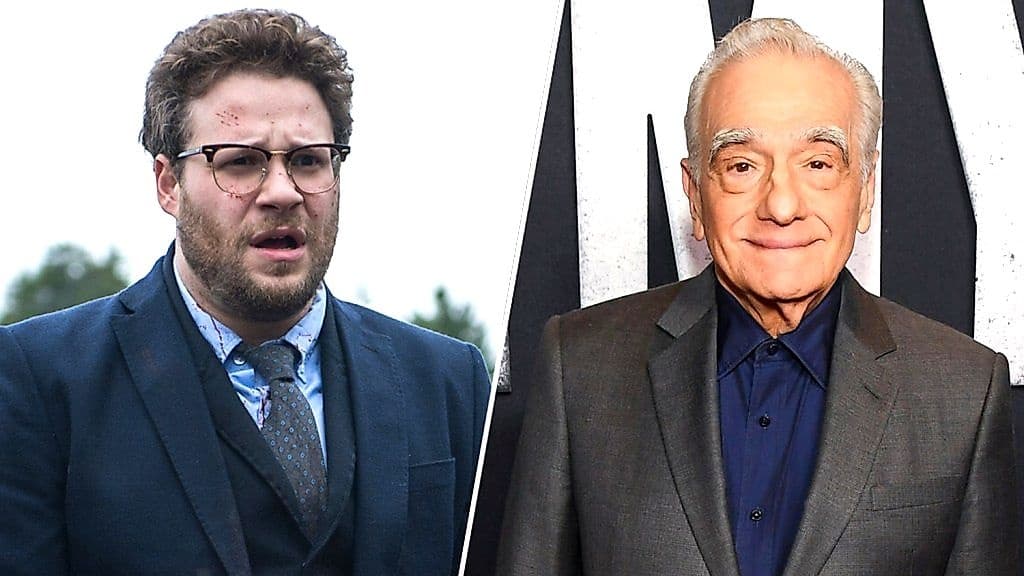
# Scorsese Blames North Korean Hack for Killing Angelina Jolie Cleopatra Martin Scorsese told his daughter, Francesca, that the Sony hack sparked by Seth Rogen’s 2014 satire tore the foundation of a film that would have seen Angelina Jolie as Cleopatra VII.
The director said the cyber‑attack, a response to a mock interview with North Korean leader Kim Jong‑Un, “ruined everything” for the project, which had been ready to move forward with a script and a star. The story has a strange twist of fate.
A decade after the hack, the legendary filmmaker was still wrestling with its after‑shocks. Scorsese recalled the moment when the government’s anger turned into a broader crackdown on the entertainment industry, and how the cancellation of a high‑profile film became a personal blow.
It’s a narrative that ties together the political, the digital, and the cinematic, illustrating how a single event can ripple across a career. For fans of Scorsese’s visionary work, the news feels like a lost chapter in a well‑known book.
The director’s name is synonymous with epic storytelling, and an Angelina Jolie Cleopatra would have been a landmark moment in his late‑career filmography.
The incident also underscores how quickly global events can derail artistic ambition, reminding Hollywood that the creative process is often at the mercy of forces beyond the director’s control. ## Background & Context In 2014, two comedians, Seth Rogen and Evan Goldberg, produced a mock‑documentary called *The Interview*, featuring a fictional conversation with Kim Jong‑Un.
The film’s premise—a Hollywood comedy about a covert operation to assassinate the North Korean dictator—prompted a response from the government, which threatened to block the movie’s distribution.
In retaliation, the North Korean government allegedly launched a massive cyber‑attack on Sony Pictures, compromising sensitive data and forcing the studio to shut down production on several projects. The hack’s fallout was swift.
Sony’s infrastructure was crippled, and the company was forced to cancel or postpone several high‑profile films. Among those affected was a planned Cleopatra feature by Martin Scorsese, slated to star Angelina Jolie.
The project had reached a stage where the script was ready. “We were ready on the script,” Scorsese said.
“Angelina was going to be Cleopatra VII. It was going to be really wild.” The connection to *The Interview* is a tangled web.
While Scorsese never worked on the comedy, he later crossed paths with Rogen in a different capacity. In 2023, Rogen’s Apple TV series *The Studio* featured Scorsese playing himself, adding a layer to their shared history.
Yet the fallout from the hack remained a sore point for the veteran director, a reminder of the precarious nature of the film business when external pressures intervene. ## What People Are Saying The reaction among film enthusiasts has been one of frustration and curiosity.
On social media platforms, users lament that a creative vision, already half‑formed, was lost to a geopolitical drama that seemed almost absurd. Discussions often reference the broader trend of Hollywood films being influenced by international politics, a trend that has intensified in the digital age.
Some commentators point to the irony that a comedic take on a political figure triggered a chain of events that stunted an epic film in the same genre. Critics also highlight the broader implications for artists who depend on institutional support.
The Sony hack served as a cautionary tale, illustrating that even the most celebrated directors are vulnerable to global events that can derail their projects. The industry has since doubled down on cyber‑security, yet the question remains: how can filmmakers guard against such external shocks?
Some scholars suggest that independent financing or alternative distribution models could provide a buffer, but others argue that the cultural weight of major studio backing cannot be fully replaced.
Meanwhile, fans of Angelina Jolie have expressed disappointment over the lost opportunity to see her in a role that would have stretched her to new extremes. ## What Happens Next Scorsese has not publicly announced any new Cleopatra project, and the original script remains unproduced.
The story of the planned film stands as a reminder of how external events can abruptly alter a director’s plans. In the end, the saga serves as a vivid illustration of how global events can shape—and sometimes silence—cinematic dreams.
The Cleopatra that never made it to the screen remains an emblem of ambition thwarted, a reminder that the art world is constantly negotiating with forces both seen and unseen.
At a Glance
- Scorsese blames the North Korean cyber‑attack on Sony for canceling Angelina Jolie’s Cleopatra role.
- The hack originated from the 2014 comedy *The Interview*, prompting global backlash and studio shutdowns.
- The incident underscores how geopolitical events can derail high‑profile film projects and force studios to tighten cyber‑security.
Why It Matters
Our Take
GoNews Pulse Editorial Team
This article was prepared for publication by GoNews Pulse and checked for publication requirements under our editorial standards. We review available information and correct material errors when they are identified.
Quick Answers
- What is the latest update on this story?
- Scorsese told his daughter Francesca the Sony hack ‘ruined everything’ for the Angelina Jolie Cleopatra project, sparking a decade‑long fallout.
- Who is this story about?
- This article covers developments related to Scorsese Blames North Korean Hack That Ruined Jolie's Cleopatra Dream. GoNews Pulse's editorial team monitors the story and updates the article as new verified information becomes available.
- Where can I read more about celebrity news?
- GoNews Pulse publishes original reporting on celebrity news and related entertainment news. Visit the homepage or browse the section dedicated to this story for the latest coverage.
More From This Section

Jimmy Chin & Jim Morrison Rappel 12‑Story Building, Amazed Everest Fans
After the 12‑story rappel, Morrison exclaimed, “I lived it, Jimmy,” sparking cheers across 551 theaters.

Savannah Guthrie's 84‑Year‑Old Mom Vanishes, $1 Million Reward Sparks National Frenzy
The 84‑year‑old mother vanished in Tucson, leaving behind a shocking ransom note and a $1 million reward, driving a nationwide hunt for answers.

Candice Swanepoel's chunky gold ring sparks Tom Brady romance rumors
The chunky gold band, spotted on her left ring finger on a Manhattan sidewalk, has fans speculating it could be a secret engagement to Tom Brady.