
Schlogel, Shumaker, London, Holt blaze AI’s future debate, Zurich summit erupts
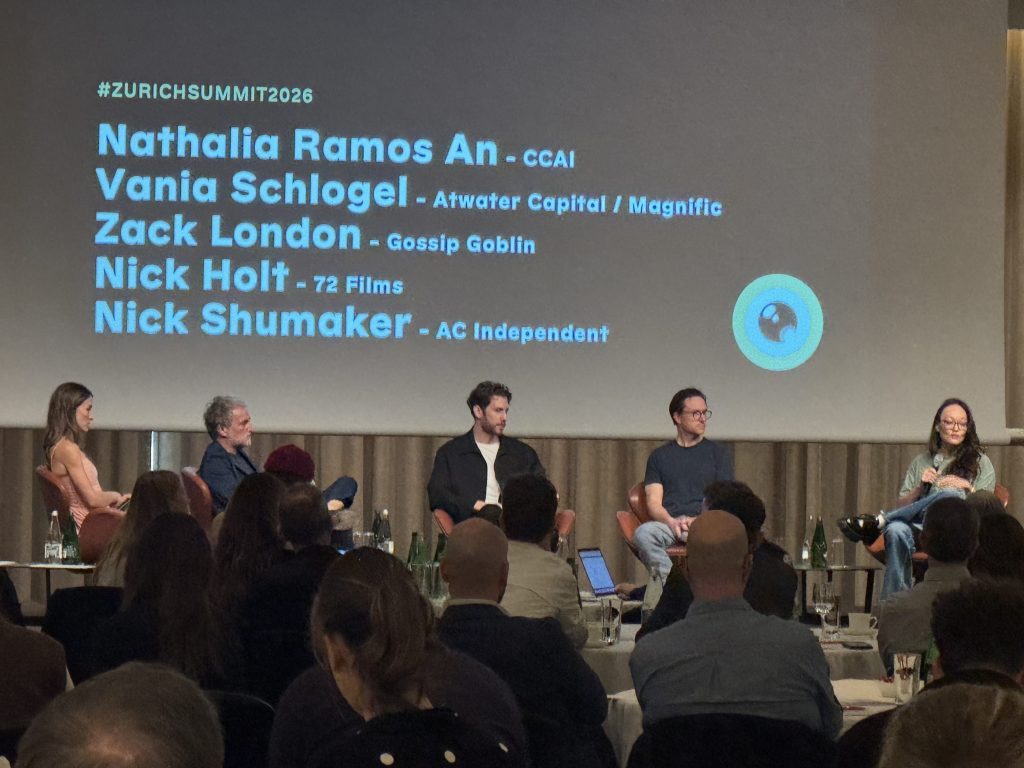
The Zurich Summit drew a star‑studded panel this weekend, featuring Musk producer Nick Shumaker, Hollywood financier Vania Schlogel, directors Zack London and Nick Holt. The four discussed how generative AI is reshaping filmmaking, from production to intellectual‑property concerns.
Their remarks were broadcast live to an international audience of film executives and tech enthusiasts.
Schlogel opened with a personal promise: “when all this AI stuff gets really big, I’m just going to go back to Idaho and disappear into the mountains.” The comment set a tone of cautious optimism as she outlined her new role as Chief Strategy Officer at the AI‑creative platform Magnific, formerly Freepik.
She urged the industry to “get in the driver’s seat” of AI, whether people love it or hate it.
The panel’s dialogue highlighted divergent views on AI’s ethical and legal ramifications. Shumaker warned that “the whole fair use in AI thing needs to be addressed,” .
London countered that “the reality is that it’s happening” and that his fully AI‑generated film *Gods Don’t Give Gifts* would never have been greenlit without the technology.
## Background & Context
Vania Schlogel founded and runs Atwater Capital, a Los Angeles‑based film‑finance firm. This summer she joined Magnific as Chief Strategy Officer after the company rebranded from Freepik.
In a previous interview with the Financial Times, she publicly noted her desire to retreat to Idaho when AI dominates the industry, underscoring her self‑described lack of technologist background.
Nick Shumaker heads AC Independent at Anonymous Content, a production house that has produced several high‑profile projects.
He cited the “lawsuits from New York Times, from every major media outlet” that arise when AI “just steals things from my perspective and ingesting is totally inappropriate.” Shumaker argued that prolonged legal battles over intellectual‑property rights could stifle creative output.
Zack London, better known online as Gossip Goblin, is set to release *Gods Don’t Give Gifts*, a fully AI‑generated sci‑fi anthology.
He emphasized the spectrum of AI use, noting that “people see AI as this monolithic thing… obviously you have full end‑to‑end automation on one end of the spectrum, and super light AI augmentation on the other.” London argued that “this film would never get greenlit otherwise” because it is “too esoteric, niche, and cerebral.”
Nick Holt directed the documentary *AI: Probably Nothing to Worry About*, shown at the Zurich Film Festival. The film features interviews with AI pioneers Geoffrey Hinton, Demis Hassabis, and engineers from Anthropic and OpenAI.
Holt suggested that AI tools could democratize filmmaking, noting that “people who could use AI to roll out concepts and films that otherwise might not get made.”
## What Happens on Stage
During the panel, Schlogel described a “light bulb moment” after viewing competitor content that featured sexualized children’s IP and racist imagery. She said she had to “get involved” in AI governance, even while expressing concerns about AI assistants encouraging “cognitive surrender” among experts.
Schlogel emphasized the responsibility of industry leaders to shape AI’s ethical trajectory.
Shumaker underscored the urgency of addressing fair‑use issues in AI. He called the current legal climate a “clogged up” system that could last five or six years, warning that it was detrimental to creators and the future of cinema.
He clarified that while Alex Gibney’s documentary *Musk* touches on Elon Musk’s use of AI, the film itself relied minimally on generative technology, using CGI avatars and post‑production lip‑synchronization.
London presented his film as an example of AI’s creative potential. He noted that its “end‑to‑end automation” allowed a “very esoteric and niche” story to reach audiences. London argued that the industry cannot reject advanced technologies; history shows that “luddites didn’t succeed, and probably the anti‑AI movement won’t either.”
Holt concluded by discussing AI’s accessibility.
He compared writing tools to a pen and pencil, stating that “not all of us can write a Booker or Pulitzer award‑winning novel.” Holt warned that while studios risk producing costly duds, “the 14 year old in his bedroom or her bedroom ” He questioned whether AI systems are being “grown rather than built” and what limits might emerge.
## Analysis & Implications
The panel’s debate reflects an industry at a crossroads. Schlogel’s call for ethical leadership aligns with growing concerns over content quality and manipulation. Shumaker’s focus on fair‑use litigation points to a legal uncertainty that could slow AI adoption.
London’s advocacy for full automation underscores a shift toward low‑cost, high‑volume content, while Holt’s emphasis on democratization suggests AI may lower entry barriers for emerging creators.
All speakers acknowledged the polarization within creative communities. London framed the debate as “radical zealots” on both sides, suggesting that technological inevitability will outpace ideological resistance.
The shared sentiment is that the industry must proactively shape AI’s trajectory to avoid pitfalls like intellectual‑property theft and loss of creative control.
The Zurich Summit’s discussion signals that Hollywood and tech stakeholders are increasingly engaged in a conversation about governance, ownership, and creative freedom.
Whether the industry can reconcile commercial interests with ethical standards remains to be seen, but the panel laid out clear points of contention and potential pathways forward.
The event closed with a consensus that AI will continue to influence filmmaking, and that leaders like Schlogel, Shumaker, London, and Holt will play pivotal roles in steering its future.
Why It Matters
Our Take
GoNews Pulse Editorial Team
This article was prepared for publication by GoNews Pulse and checked for publication requirements under our editorial standards. We review available information and correct material errors when they are identified.
Quick Answers
- What is the latest update on this story?
- Holt claims AI will replace human writers, sparking a firestorm among Hollywood execs.
- Who is this story about?
- This article covers developments related to Schlogel, Shumaker, London, Holt blaze AI’s future debate, Zurich summit erupts. GoNews Pulse's editorial team monitors the story and updates the article as new verified information becomes available.
- Where can I read more about Vania Schlogel?
- GoNews Pulse publishes original reporting on Vania Schlogel and related entertainment news. Visit the homepage or browse the section dedicated to this story for the latest coverage.
Related topics
- #Vania Schlogel
- #Nick Shumaker
- #Zack London
- #Nick Holt
- #Zurich Summit
More From This Section
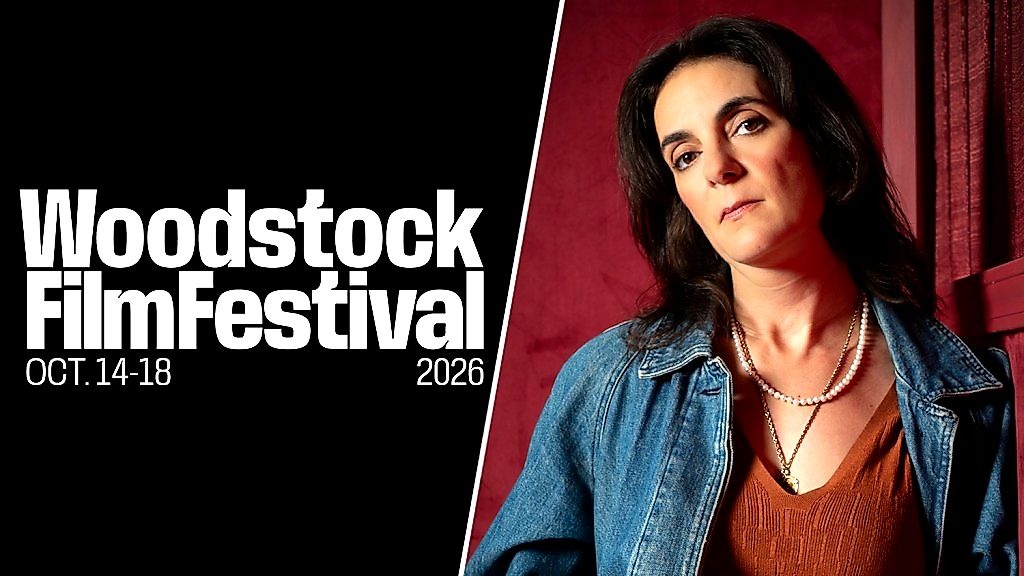
Jessica Edwards' 27-Year Legacy Shakes Woodstock Film Festival
Jessica Edwards announced she will double the festival’s screen time for women filmmakers, promising a new wave of diverse stories at next spring’s event.
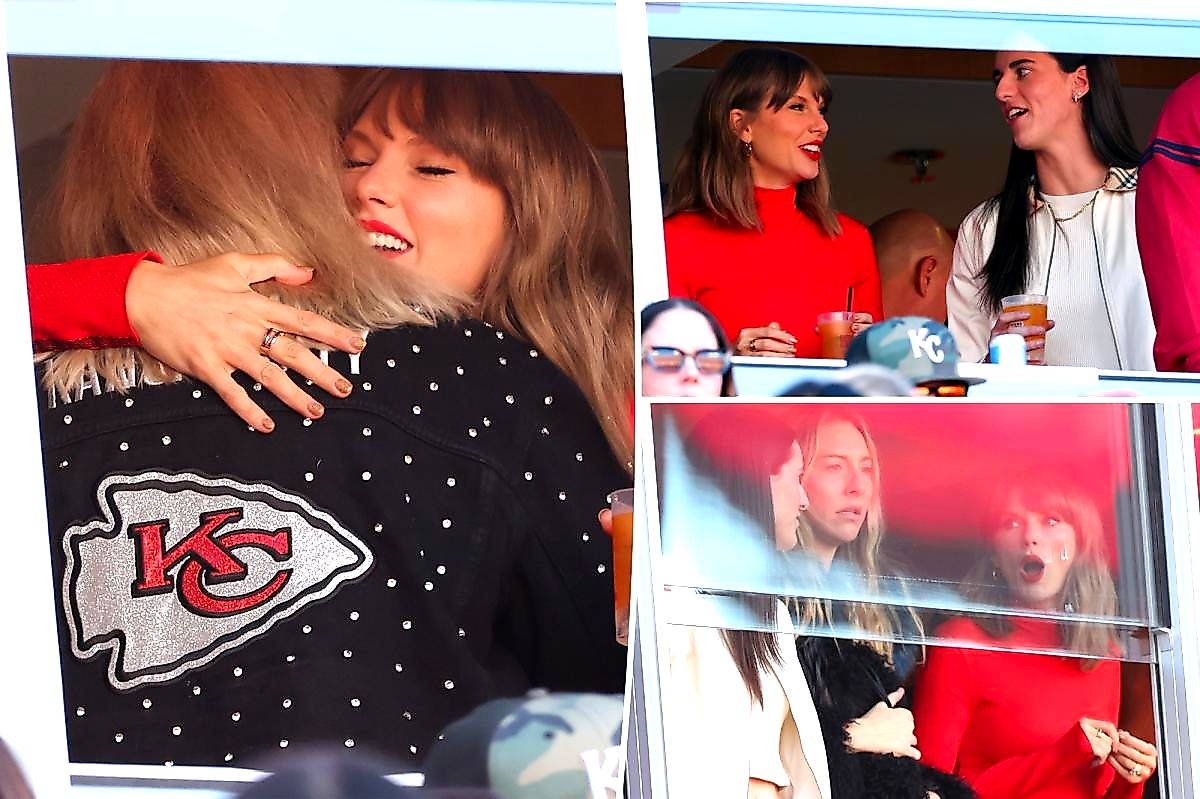
Taylor Swift's 36-Year-Old Red Turns Chiefs Fans Into Celebrity Crowd
Swift's front‑row red turtleneck and a heartfelt hug to Donna Kelce at Arrowhead left fans stunned as Chiefs edged Chargers 33‑30 in overtime.
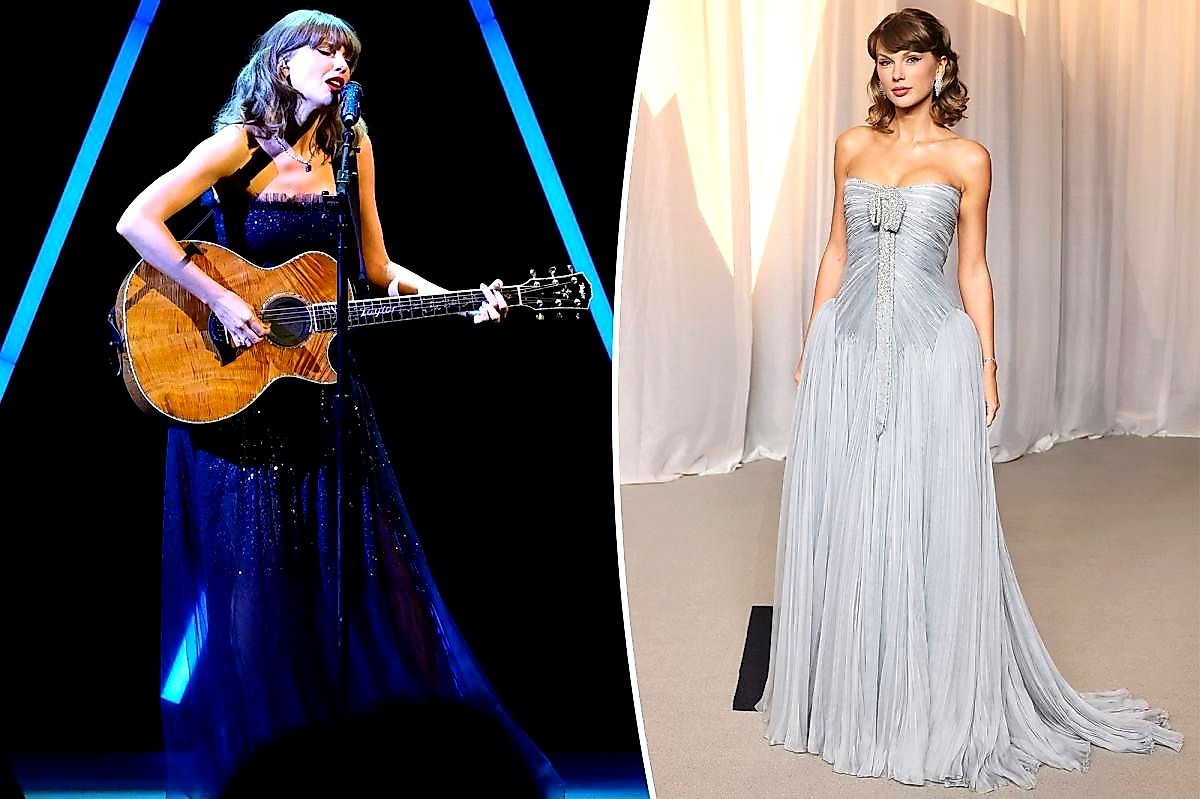
Taylor Swift's 36-year-old drops 'The Fate of Ophelia' at Academy Gala
She stunned in a strapless pale‑blue Dior gown, opening with a brand‑new Toy Story 5 track and a 'Blank Space' performance, showcasing her theatrical flair.