
Sacha Baron Cohen's Ali G reboot sparks outrage in Black communities
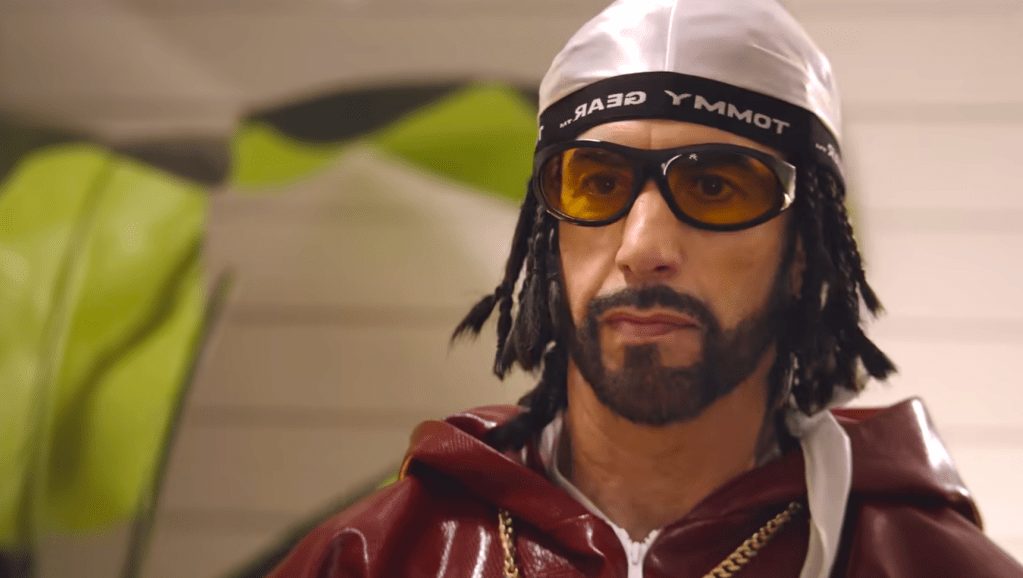
On Friday, the trailer for Sacha Baron Cohen’s upcoming *Ali G: Who Iz I?* exploded across social media, drawing cheers from celebrities like Jack Black, Tom Brady and Diplo while sparking a backlash from segments of the Black British community.
The movie is slated to hit UK cinemas on October 23, with major chains such as Vue set to screen it. Critics argue the revival perpetuates harmful racial stereotypes and diminishes authentic Black experiences.
Ali G first burst onto the scene in the late 1990s as a satirical voice of “youth,” a character who mimicked white men attempting to adopt Black street culture. The persona was quickly adopted by playgrounds and even referenced in parliamentary debates, cementing its place in British pop‑culture.
Baron Cohen has long maintained that the character’s purpose is to expose racism rather than endorse it, a stance he reiterated during interviews in 2009 and 2016.
Earlier criticisms surfaced in 2002 when protests outside the *Ali G in Da House* premiere compared the character to Al Jolson’s infamous Blackface performances.
In the years that followed, figures such as Gina Yashere and Curtis Walker—who first voiced concerns in a 1998 interview with New Nation—labelled the character as degrading and disingenuous. Their complaints have resurfaced amid a growing movement that demands the film be barred from UK screens.
Baron Cohen has addressed the controversy before, telling a popular radio show in 2009 that Ali G “is not Black. He is delusional,” and saying in a 2016 interview hosted by Marc Maron that he was “vehemently against any form of racism” yet chose not to confront critics publicly.
Mo Gilligan, BAFTA‑winner, said the character had become “normalized” in Britain, adding that some felt they were “laughed at, not laughed with.” Athena Kugblenu noted the new film’s need to adopt more overt racial symbols—dreadlocks and a rastacap—because the costume is no longer novel.
Michael Eboda, former editor of a notable black community publication, dismissed the reboot as a relic, saying, “There are far more serious things in the world than Ali G. It’s just something that has had its time.
It was there for a minute, and now it’s just a bit sad that he’s having to rehash it.” A source close to Baron Cohen denied that Ali G will have dreadlocks in the film.
Colton Dunn, one of three Black writers on *Who Iz I?*, said he did not recognise the criticisms. “From my point of view, Ali G is not a racist character. Ali G is a tool to expose racists,” he said.
He added that the character’s absurd situations are not motivated by racism but by comedic shock.
Stand‑up comedian Gina Yashere, who co‑created *Bob Hearts Abishola*, called Baron Cohen’s portrayal “Blackface” and said he is “cosplaying” as another race. She told that “He’s not targeting white people,” adding, “People watching that character are going to laugh because it’s a caricature of Black people.”
Curtis Walker, a former Paramount City star, described Ali G as “degrading” and “disgusting,” lamenting that Amazon MGM Studios is backing the character instead of Black creators.
Others—such as Dane Baptiste of Sunny D and Bamous—argued the revival “microwaves a relic from a generation ago” and regresses 25 years of progress after Black Lives Matter.
Sony’s distribution deal has secured a UK launch for October 23, with chains such as Vue, which already plans to screen the film, affirming that major exhibitors see commercial viability despite the controversy.
Sony’s distribution deal also includes a planned global release, signaling confidence that the film will resonate beyond UK borders.
An online movement aiming to keep *Who Iz I?* out of British cinemas has gathered traction, but its chances of success appear limited. The movement has sparked discussion among Black comedians about representation, and major theater operators are proceeding with planned releases.
Peter Fincham, who first introduced Ali G on a popular television program, warned that if a young white comedian were to resurrect the character today, ‘questions would be asked’ by studios and broadcasters. He added, ‘The culture has changed.
Sacha’s a very smart guy and will be sensitive to that, and I’m sure it will be reflected in the film.’ The movie is expected to address cancel culture and immigration while maintaining comedic absurdity, with Dunn noting the script will weave in commentary on these themes balanced by the film’s trademark humor.
The debate over *Who Iz I?* illustrates a broader conversation about representation, satire, and evolving cultural commentary. Industry insiders predict the film will attract mixed reviews, with critics likely to scrutinize its portrayal of race and satire.
Box‑office analysts suggest that the star power of its cast could offset the backlash, while advocacy groups warn that even a limited release might perpetuate harmful tropes.
Whether the film’s release will shift public perception or reinforce critics’ concerns remains to be seen, and its box‑office performance may signal how audiences weigh nostalgia against contemporary sensitivities.
Why It Matters
Our Take
GoNews Pulse Editorial Team
This article was prepared for publication by GoNews Pulse and checked for publication requirements under our editorial standards. We review available information and correct material errors when they are identified.
Quick Answers
- What is the latest update on this story?
- Sacha Baron Cohen’s new Ali G reboot triggers a firestorm, as fans and critics clash over its fresh jokes and racial impact.
- Who is this story about?
- This article covers developments related to Sacha Baron Cohen's Ali G reboot sparks outrage in Black communities. GoNews Pulse's editorial team monitors the story and updates the article as new verified information becomes available.
- Where can I read more about Sacha Baron Cohen?
- GoNews Pulse publishes original reporting on Sacha Baron Cohen and related entertainment news. Visit the homepage or browse the section dedicated to this story for the latest coverage.
Related topics
- #Sacha Baron Cohen
- #Ali G
- #Black British community
- #Sony Pictures
- #Blackface controversy
- #film distribution
More From This Section

Jon Gosselin's 22‑Year‑Old Son Exposes Abuse, Father Shouts Support
Jon Gosselin declares that his son’s 22‑year‑old memoir exposes alleged institutionalization and a hidden ‘small holding’ cell, sparking a national debate.

Mike Colter's Valley Firm AGI Bo Revealed at 2:00 a.m. Shocks Fans
Rob McClure's portrayal of Bo forces the firm to confront a real‑world AGI asking for legal guardrails, sparking a tense ethical debate.

Meredith Grey's bed proposal to Nick on surgery table stuns fans
Meredith Grey slipped a ring into Nick's hand while he lay on the operating table, a move that stunned fans amid the bridge collapse.