
Russell Brand's 10-Year Transfer to Wakefield's Monster Mansion Shocks
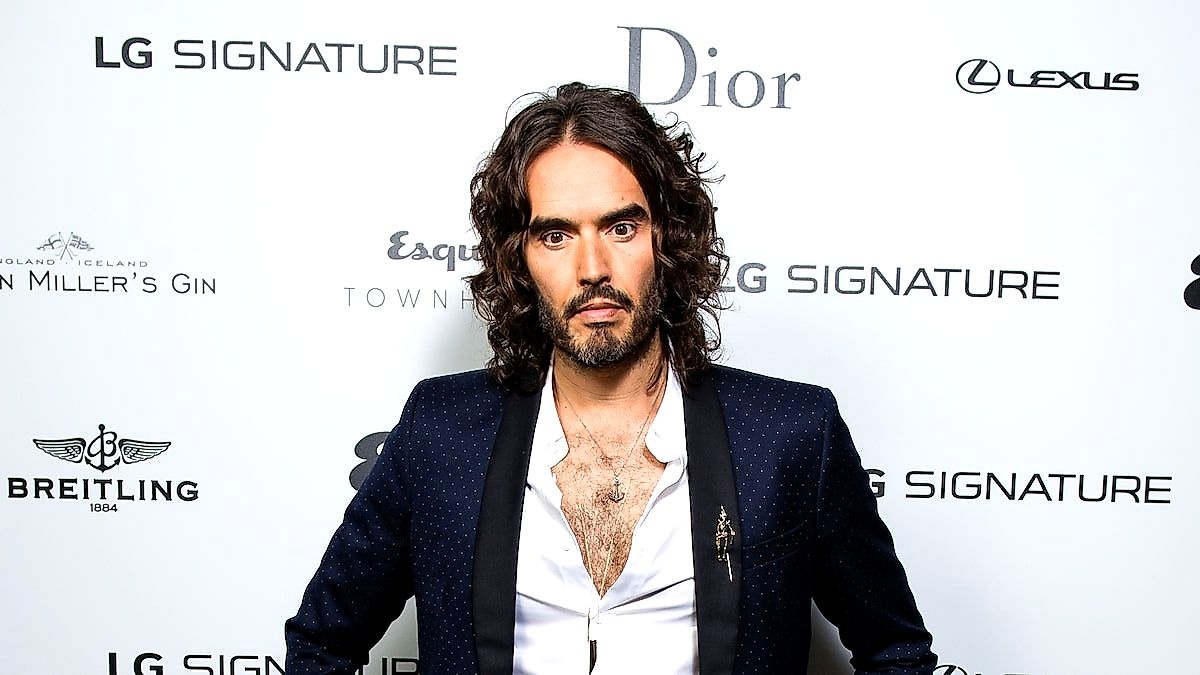
# Russell Brand Facing Move to ‘Monster Mansion’ Prison for 10‑Year Term Comedian‑turned‑activist Russell Brand, whose 10‑year and six‑month sentence landed him in a London lockup last month, is now being eyed for a transfer to HMP Wakefield in northern England.
The move could send the high‑profile star into a facility known as “Monster Mansion” for housing some of the country’s most dangerous offenders.
The decision, rooted in a risk assessment and the nature of the inmate population, has already stirred intense debate among legal experts, prison officials and Brand’s own supporters. Brand’s legal journey began earlier this year when a court found him guilty on one count of rape and three counts of sexual assault.
The judge imposed a 10‑year, six‑month prison term, a punishment that carries with it the weight of a severe public backlash and a series of questions about rehabilitation and security.
He is currently held at His Majesty’s Prison Wandsworth, a low‑security facility that has been the default location for many high‑profile inmates.
The possibility of a transfer to Wakefield, located hours away in York, signals a shift in how the prison system plans to manage both his safety and the broader risk he poses.
Wakefield’s moniker, “Monster Mansion,” is not just a nickname; it reflects the prison’s role as a containment hub for violent criminals, sex offenders, and individuals who have been involved in high‑profile crimes. In the past year, the institution faced two murders that highlighted its volatile environment.
The former lead singer of the Lostprophets, convicted of child sexual offenses, was killed in the facility in October 2025. Another inmate, a convicted child‑killer, met a similar fate in his cell a month later.
These incidents underscore the severity of the threat landscape that Brand may confront if transferred. ## Background & Context The decision to move Brand from Wandsworth to Wakefield stems from a comprehensive risk assessment that weighs several factors.
Wakefield boasts a higher staffing ratio, more specialized security protocols, and a team trained to handle inmates who pose a significant threat to themselves or others. For someone convicted of sexual assault, the prison’s resources for specialized rehabilitation courses and psychological support are essential.
The court’s requirement that Brand serve at least seven years in a high‑security environment aligns with the prison’s expertise in managing sex offenders. Historically, Wandsworth has been a low‑security facility designed to accommodate inmates who pose minimal risk.
While it offers certain amenities that might seem appealing to a celebrity, the security measures there are less robust than Wakefield’s. The former provides limited protective custody options, and the environment could potentially expose Brand to threats from more aggressive inmates.
In contrast, Wakefield’s stringent security protocols—ranging from individual cell confinement to heightened surveillance—offer a layer of protection that might be deemed necessary given Brand’s profile and the nature of his conviction.
The prison’s reputation for housing inmates such as the murdered Lostprophets frontman and other violent offenders adds a chilling layer to the narrative. While Wakefield has a history of high‑profile inmates, it also has a track record of providing a structured, rehabilitative environment for those deemed high risk.
The decision to place Brand there signals that the authorities are prioritizing safety and containment over any perceived leniency that a low‑security facility might afford. ## What People Are Saying Within the prison system, officials express a mix of concern and pragmatism.
One senior staff member noted that Brand’s placement would “be a tough time” for the actor, . The same official highlighted that while the move is still subject to a series of procedural checks, the prison’s management team is anticipating the transition and preparing the necessary resources.
Prison advocates, on the other hand, caution that while Wakefield offers a safer environment, it also exposes Brand to the harsh realities of a prison that has seen multiple violent incidents. They point out that the environment can be unforgiving and that Brand may need to be kept away from certain inmates initially.
Yet, in the long run, he would inevitably be assigned to a wing with other offenders, which could pose its own challenges. Public reaction has been polarized.
Supporters of Brand argue that a high‑security prison is overly punitive and may not provide the rehabilitative environment he needs. Critics, however, emphasize that the safety of both Brand and the prison community demands a setting that can handle his potential risk.
Some commentators suggest that Brand could face additional costs for protection—essentially a “tax” imposed by the prison to keep him safe from other inmates who might target him due to his fame or wealth.
The debate has resurfaced age-old questions about how the criminal justice system balances rehabilitation, public safety, and the rights of offenders.
Brand is a public figure only amplifies the scrutiny, as observers from every corner of the country weigh in on whether a high‑security environment is a fair or necessary response. ## What Happens Next If the transfer to Wakefield proceeds, the timeline is still under discussion.
Sources indicate that the process could unfold within days or weeks, depending on the completion of all required legal and procedural steps. Once cleared, Brand would first be placed in a protective custody unit, a standard practice for new arrivals in high‑security prisons.
Over time, he would transition to a wing that houses sex offenders, where he would be expected to participate in specific rehabilitation programs mandated by the court. During this transition, the prison will likely engage in ongoing risk assessments.
The authorities must ensure that Brand’s placement does not compromise the safety of other inmates or staff. If deemed necessary, additional protective measures—such as increased surveillance, specialized security personnel, and limited interaction with certain groups—might be implemented.
These steps are designed to mitigate the risk of violent or sexual incidents involving Brand. Looking further ahead, Brand’s case could set a precedent for how the system handles other high‑profile offenders with similar convictions.
The decision to prioritize high‑security placement over a lower‑security alternative could influence future sentencing and placement guidelines, especially for those convicted of sexual offenses. the focus on rehabilitation through specialized courses might signal a shift toward more structured recovery programs within high‑security environments.
Outside the prison walls, Brand’s legal team remains active in monitoring the situation. They are prepared to argue for a different placement if they believe the high‑security environment is disproportionate to the risk Brand poses.
At the same time, they must also navigate the court’s directive that he serve a minimum of seven years in a secure facility. This tug‑of‑war between legal strategy and institutional policy will shape the trajectory of Brand’s sentence for the foreseeable future.
As the story unfolds, the public will watch to see whether the “Monster Mansion” of Wakefield becomes a new chapter in Russell Brand’s complex legal saga.
The outcome will likely influence how the criminal justice system balances punitive measures, rehabilitation efforts, and the safety of all stakeholders in the future.
At a Glance
- Russell Brand's 10‑year sentence has prompted a planned move from Wandsworth to HMP Wakefield, nicknamed "Monster Mansion".
- The transfer, based on risk assessment, would place Brand in protective custody and then a sex‑offender wing, raising safety concerns.
- The case highlights tensions between high‑security placement, rehabilitation, and public debate over celebrity offenders.
Why It Matters
Our Take
GoNews Pulse Editorial Team
This article was prepared for publication by GoNews Pulse and checked for publication requirements under our editorial standards. We review available information and correct material errors when they are identified.
Quick Answers
- What is the latest update on this story?
- A court order now forces Russell Brand into Wakefield's high‑security wing, sparking a debate over safety and rehabilitation.
- Who is this story about?
- This article covers developments related to Russell Brand's 10-Year Transfer to Wakefield's Monster Mansion Shocks. GoNews Pulse's editorial team monitors the story and updates the article as new verified information becomes available.
- Where can I read more about celebrity news?
- GoNews Pulse publishes original reporting on celebrity news and related entertainment news. Visit the homepage or browse the section dedicated to this story for the latest coverage.
More From This Section

Macy’s 100th Parade moves Thanksgiving to Saturday, rattling NYC
The post notes that a 40‑mph wind forecast and high surf could endanger balloons, prompting organizers to shift the event to a safer Saturday.

Brad Pitt & Angelina Jolie End 8-Year Miraval War, $10M Settlement
The exes' joint statement confirmed a confidential $10 million settlement, ending a courtroom saga that rattled Hollywood's wine industry.

Ezra Frech, 27, wins DWS as youngest champion and first amputee
The finale drew 9.2 million live‑plus‑same‑day viewers, matching last year’s numbers and smashing a 2.38 rating in the 18‑49 demo that fans still replay.