
ABC Blocks Rosie O'Donnell’s Epstein Segment—She Posts Online Instead
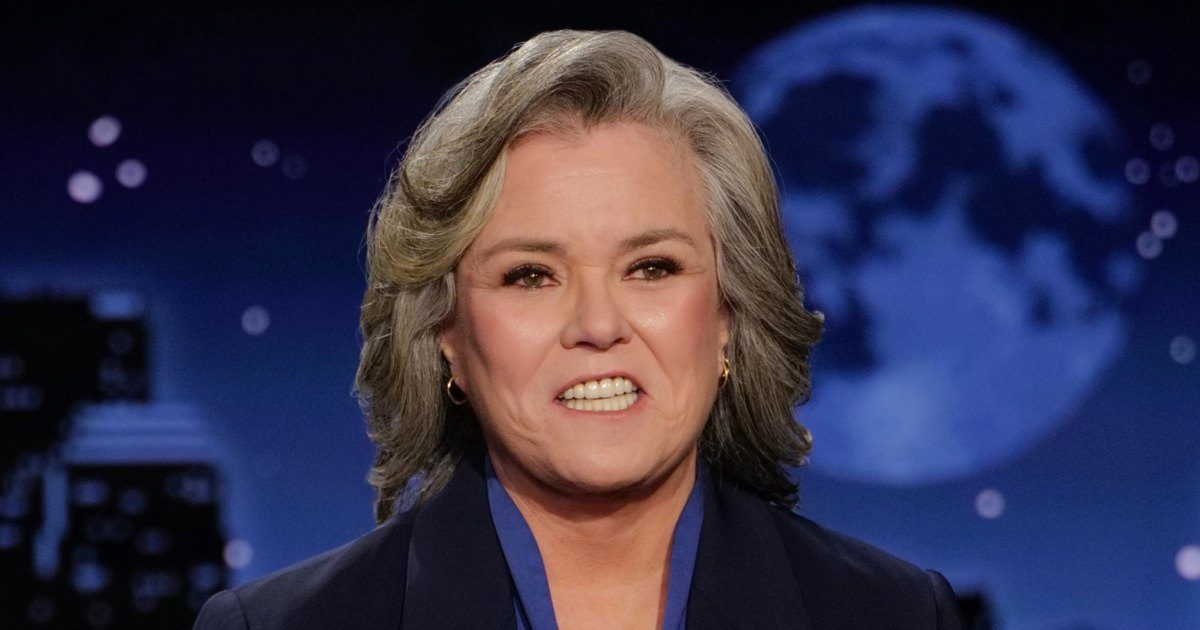
Rosie O’Donnell claimed ABC blocked her plan to bring Jeffrey Epstein survivors onto Jimmy Kimmel Live during her guest‑hosting run in mid‑August. The 64‑year‑old comedian revealed the story on the September 11 episode of Jann Arden’s podcast.
She said she had prepared a segment that could not be aired and chose instead to post it on her own social media.
O’Donnell had three days to prepare the piece and assembled eight alleged survivors of Epstein to perform a rendition of Helen Reddy’s “I Am Woman.” She filmed the segment in about two hours, , and posted it on Instagram on September 3.
The clip was intended as a response to comments from Trump’s former personal lawyer, who questioned whether men accused of sexual abuse would be charged.
During her August 17 monologue, O’Donnell also took aim at President Trump, warning viewers to buckle up as she joked about the changing political climate.
She noted that she had not sat behind a TV desk for almost 30 years and remarked that today’s world seemed “so chill.” These remarks came amid an ongoing legal dispute where ABC has sued the FCC, alleging an “extraordinary assault” on its free‑speech rights.
## Background & Context
O’Donnell stepped behind the Jimmy Kimmel Live desk for four consecutive nights in the week of August 17, a rare guest‑host appearance after nearly three decades away from television.
She had planned a segment for her final episode that would bring together eight alleged survivors of Jeffrey Epstein to sing Helen Reddy’s “I Am Woman.” ABC reportedly told her that such a feature could not be aired, prompting her to shift the idea to her own social‑media channels.
When ABC declined the pitch, O’Donnell announced on the September 11 episode of Jann Arden’s podcast that she would post the material herself. She had three days to prepare, assembled the survivors, and filmed the performance in roughly two hours.
The clip was uploaded to Instagram on September 3, directly following a comment by Trump’s former personal lawyer that questioned whether men accused of sex abuse would be charged.
## What People Are Saying
In her podcast interview, O’Donnell told listeners she had never shared the plan before. “I haven’t told anybody this, but this is what happened,” she said. She added that her idea for the last night was to do the Epstein reveal, but ABC insisted it could not happen, so she decided to post it on her own social media.
She posted a note on Instagram after Trump’s former personal lawyer questioned whether men accused of sex abuse would be charged.
The caption read: “After the corrupt AG implied that he did not believe men accused of sex abuse would be charged as a result of the Epstein files, I called some Epstein survivors, asked them to sing with me.” She added that the Helen Reddy song “taught me at 10 years old to use my voice” and urged support for abuse survivors.
## What Happens Next
O’Donnell revealed that the Instagram clip was not a teaser for a larger project but rather a stepping stone. She said she will create individual segments for each of the eight women, giving them a platform to share their stories. No explanation has yet been provided by ABC regarding why the network would block her original pitch.
ABC has not responded to requests for comment. The network’s lawsuit against the FCC, alleging an “extraordinary assault” on its free‑speech rights, remains unresolved. O’Donnell’s recent remarks about President Trump and the FCC have added fuel to an already contentious relationship between the broadcaster and the regulator.
O’Donnell’s story highlights the friction between high‑profile guests, controversial subject matter, and network gatekeeping. While she has taken the initiative to give a voice to Epstein survivors, the lack of clarity from ABC and the backdrop of ongoing legal battles leave her plan’s future uncertain.
Why It Matters
Our Take
GoNews Pulse Editorial Team
This article was prepared for publication by GoNews Pulse and checked for publication requirements under our editorial standards. We review available information and correct material errors when they are identified.
Quick Answers
- What is the latest update on this story?
- ABC snatches Rosie O'Donnell’s planned Epstein segment—she posts the footage online instead, and the clip hides a shocking detail you’ll want to see.
- Who is this story about?
- This article covers developments related to ABC Blocks Rosie O'Donnell’s Epstein Segment—She Posts Online Instead. GoNews Pulse's editorial team monitors the story and updates the article as new verified information becomes available.
- Where can I read more about Rosie O'Donnell?
- GoNews Pulse publishes original reporting on Rosie O'Donnell and related entertainment news. Visit the homepage or browse the section dedicated to this story for the latest coverage.
Related topics
- #Rosie O'Donnell
- #Jimmy Kimmel Live
- #Jeffrey Epstein survivors
- #ABC network policy
- #free speech FCC
More From This Section

Jon Gosselin's 22‑Year‑Old Son Exposes Abuse, Father Shouts Support
Jon Gosselin declares that his son’s 22‑year‑old memoir exposes alleged institutionalization and a hidden ‘small holding’ cell, sparking a national debate.

Mike Colter's Valley Firm AGI Bo Revealed at 2:00 a.m. Shocks Fans
Rob McClure's portrayal of Bo forces the firm to confront a real‑world AGI asking for legal guardrails, sparking a tense ethical debate.

Meredith Grey's bed proposal to Nick on surgery table stuns fans
Meredith Grey slipped a ring into Nick's hand while he lay on the operating table, a move that stunned fans amid the bridge collapse.