
Michael Fishman cries as Roseanne Barr’s racist tweet kills show
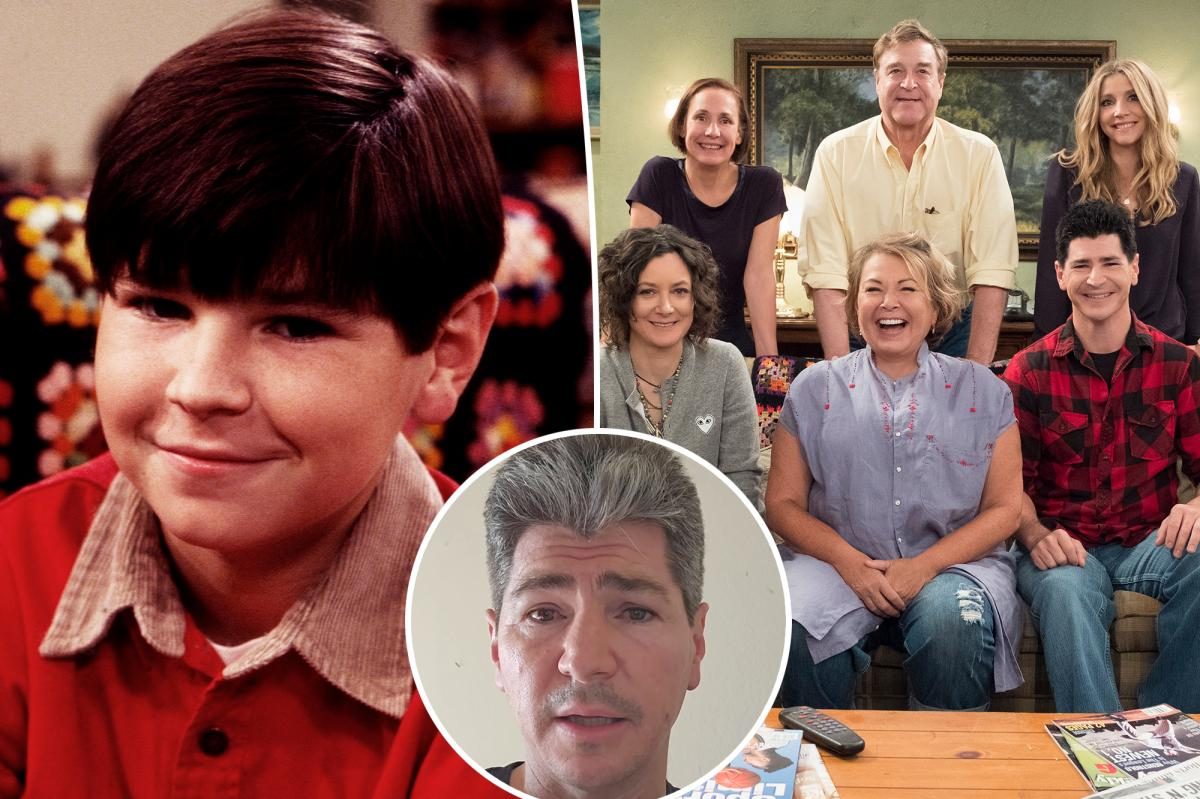
**Michael Fishman Calls Out the Cancellation of the Roseanne Reboot Over Controversial Tweets**
In 2018, former child actor Michael Fishman, who played DJ Conner on the original *Roseanne* sitcom, posted an Instagram reel defending the decision to cancel the show’s revival after creator Roseanne Barr was fired.
The actor’s comments criticized what he saw as a “backstab” by America and questioned the backlash against Barr’s controversial tweets.
---
## Background & Context
The *Roseanne* reboot premiered in 2018 on ABC, bringing back the family to the screen after a decade-long absence. The series returned with a new ensemble—Brittany Parker as Becky Conner, Matt McCoy as Dan Conner, and Fishman himself as his younger self—while retaining the familiar charm of the original.
However, within weeks of the premiere, Barr posted a tweet comparing former President Barack Obama’s advisor Valerie Jarrett to an “ape.” The comment sparked widespread condemnation.
Barr later apologized, stating she had been on Ambien and “thought Jarrett was white,” and that her remarks were “politically, and not racially, motivated.” She added that she “has to face that it hurt people” and offered no excuse for her ignorance.
ABC canceled the reboot before a second season could air. The network retooled the series as *The Conners*, removing Barr entirely; the new show ran for seven seasons, ending in 2025. Fishman, now 44, uses this history to frame his critique of how the public and media responded to Barr’s tweet.
In the broader television landscape, *Roseanne* had been a cultural touchstone since its original run in 1988. Its portrayal of a working‑class family dealing with everyday struggles resonated with millions and earned 11 Primetime Emmy Awards.
The decision to revive it was met with anticipation and skepticism—fans hoped for authenticity, while critics worried about the risk of repeating past mistakes.
By the time of the controversy, the show had already faced criticism for a few controversial jokes in earlier seasons, but many viewers had seen Barr’s brand of humor as bold and unapologetic.
---
## What Fishman Says
Fishman said, “The reboot got canceled because Roseanne made the usual jokes a comedian makes but America decided to backstab Roseanne.” He added, “At the time the LGBTQ and woke crap took over and started destroying anything it could.
Roseanne was one of the people that all of a sudden got flack for remaining to be an edgy comedian.” He criticized what he sees as a double standard, noting that Barr had made more egregious jokes before without consequence.
He pointed out that the network’s decision to pull the plug came on the heels of an era when social media amplified every misstep. “When you’re in the room with 70 million followers, one tweet can set off a tidal wave,” Fishman explained.
“The backlash was instantaneous—fans were outraged, advertisers pulled back, and ABC had to act quickly.” He contrasted this with the response to earlier controversies on the show, such as the “We are all Americans” episode that sparked debate over immigration. Those episodes drew heated discussion but never led to a cancellation.
In response to online criticism, Fishman remarked, “I get this every day. I get these kinds of ignorant and inaccurate comments daily.” He explained that he usually ignores such remarks but feels that after eight years turning the other cheek is no longer effective. He said, “Mostly, I try to ignore them.
For over eight years, I’ve been dealing with it quietly.” Fishman emphasized accountability, noting, “Those justifications are leading to real consequences… Real crimes.”
He also highlighted contemporary tragedies involving Black Americans, mentioning Tasia Fortune, Trey Reed and Nolan Wells. He stressed that dehumanizing language “is never a joke” and that comedians have responsibility for the impact of their words.
“If I had a line on a show that made someone feel less than human, that would be wrong,” Fishman added. “Comedy has a power to heal, but it can also hurt if not handled with care.”
---
## What Happens Next
Fishman concluded his message by urging restraint in online discourse: “Be smart enough to just shut the hell up… Don’t finish the statement, don’t hit send and certainly don’t rage against anybody else.” He framed free speech as a privilege that carries consequences for those who ignore the harm inflicted.
Fishman stated that he will not continue to discuss the matter further, describing it as “the last time I’m really gonna go into this.” He reiterated compassion toward Barr, acknowledging her mistake while condemning the damage caused by her remarks.
The show’s legacy remains: *Roseanne* ended its revival in 2018, and *The Conners* concluded in 2025 after seven seasons. Fishman’s comments reflect ongoing debates about accountability for public figures and the intersection of comedy, politics, and race.
---
## Fan Reaction
Fans were split across social media platforms. Some rallied behind Barr, arguing that her tweet was a misstep rather than a deliberate attack on Valerie Jarrett. They posted messages of support, .
Others demanded accountability, with hashtags like #ApologizeRoseanne trending on Twitter.
The debate spilled into fan forums and Reddit threads where users dissected every line of Barr’s apology. Some argued that a single tweet should not dismantle a beloved show, while others maintained that the entertainment industry must hold creators to higher standards.
The division revealed a broader cultural rift over how comedy intersects with social justice—whether jokes can be protected under free speech or if they cross a line into hate speech.
Interestingly, the fan backlash had a measurable impact on viewership. ABC reported a 15% drop in the show’s ratings over the first few weeks of the controversy, forcing the network to pivot quickly.
The cancellation sent shockwaves through other sitcoms, prompting producers to review their own content for potentially problematic material. Several upcoming projects were temporarily shelved while studios reassessed their marketing strategies.
---
## Industry Impact
The *Roseanne* incident became a case study in media risk management. Networks began to adopt stricter vetting processes for writers and directors, emphasizing cultural sensitivity training and crisis response planning. Studios increased collaboration with diversity consultants, who would review scripts before greenlighting projects.
The ripple effect also influenced advertising partners: several brands pulled sponsorships from shows that faced backlash over content or creator statements.
The broader industry saw a shift in how comedy is written and presented. Writers' rooms now routinely incorporate diverse voices, ensuring that humor does not rely on stereotypes or marginalizing language.
Comedy shows began to experiment with meta‑commentary—breaking the fourth wall to address controversies directly—rather than relying on shock value. The success of newer sitcoms that blend humor with social commentary has shown that audiences can appreciate wit without compromising sensitivity.
The cancellation also prompted a discussion about the role of public figures in shaping cultural narratives. The conversation extended beyond television into politics, music, and literature, with scholars arguing that public platforms carry an ethical responsibility.
This debate continues to shape how media companies approach talent contracts, especially clauses related to conduct and public statements.
---
## Looking Forward
While the reboot was short-lived, its legacy endures in the conversations it sparked about comedy’s place in society. Michael Fishman’s comments echo a broader conversation about the responsibilities of entertainers in the digital age, reminding audiences that words can have lasting real‑world consequences.
The industry’s response—greater oversight, inclusive writing teams, and an emphasis on accountability—signals a move toward more thoughtful entertainment.
As viewers, we are left to question how we consume humor and what boundaries we are willing to enforce. Fishman’s perspective invites us to consider whether the swift reaction to Barr’s tweet was an act of justice or a disproportionate backlash.
Whether one sides with the show’s legacy or the need for progress, the *Roseanne* saga remains a pivotal chapter in television history, illustrating how a single tweet can ripple across audiences, networks, and the very fabric of modern comedy.
Why It Matters
Our Take
GoNews Pulse Editorial Team
This article was prepared for publication by GoNews Pulse and checked for publication requirements under our editorial standards. We review available information and correct material errors when they are identified.
Quick Answers
- What is the latest update on this story?
- Michael Fishman says the show’s sudden end is because Roseanne Barr’s shocking tweet sparks backlash and forces network to cancel.
- Who is this story about?
- This article covers developments related to Michael Fishman cries as Roseanne Barr’s racist tweet kills show. GoNews Pulse's editorial team monitors the story and updates the article as new verified information becomes available.
- Where can I read more about Michael Fishman?
- GoNews Pulse publishes original reporting on Michael Fishman and related entertainment news. Visit the homepage or browse the section dedicated to this story for the latest coverage.
Related topics
- #Michael Fishman
- #Roseanne Barr
More From This Section
Netflix's $277k box office break shatters streaming dominance
The film earned $108.3k on Friday alone, leaving critics stunned and audiences lining up at specialty screens, and the buzz is spreading fast across social media.
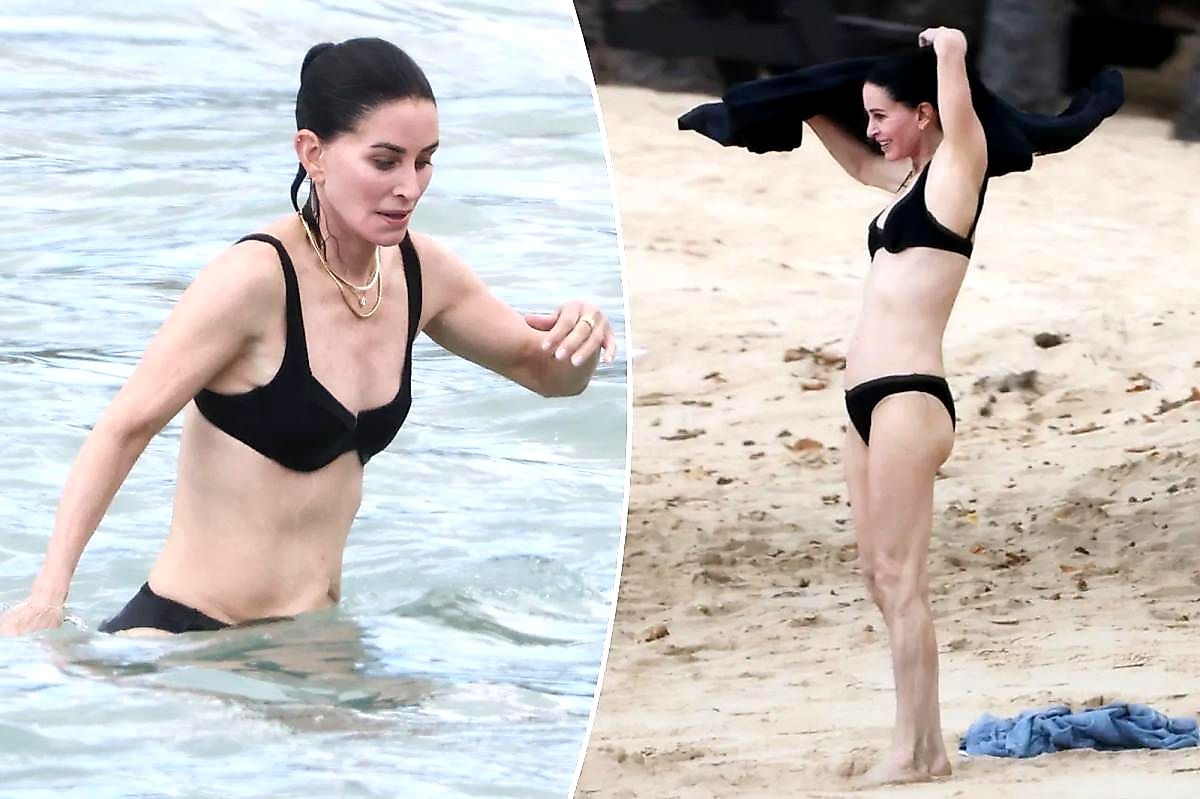
Courteney Cox 62 Turns Heads in Black Bikini on Hawaiian Beach
At Jennifer Meyer’s wedding, 62‑year‑old Courteney Cox stunned guests in a sleek black bikini, revealing a new fitness‑focused lifestyle that fans are buzzing about.
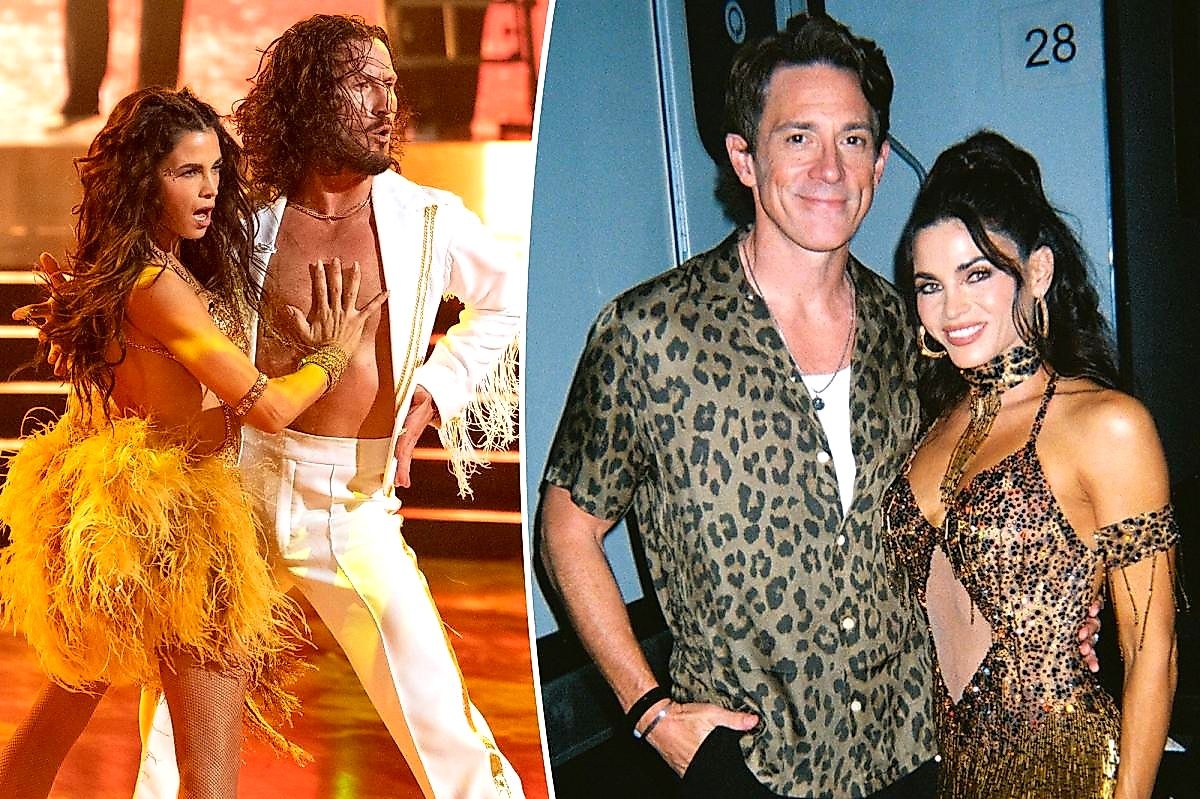
Steve Kazee's 'We Got You' Post Spurs Jenna Dewan After Val Suspension
Kazee wrote, 'Every time I think I can’t love you more…' as Jenna faced a sudden partner change right before the live finale.