
Ronnie Benjamin's 64-Year-Old Heart Collapse Shocks Shock Radio Community
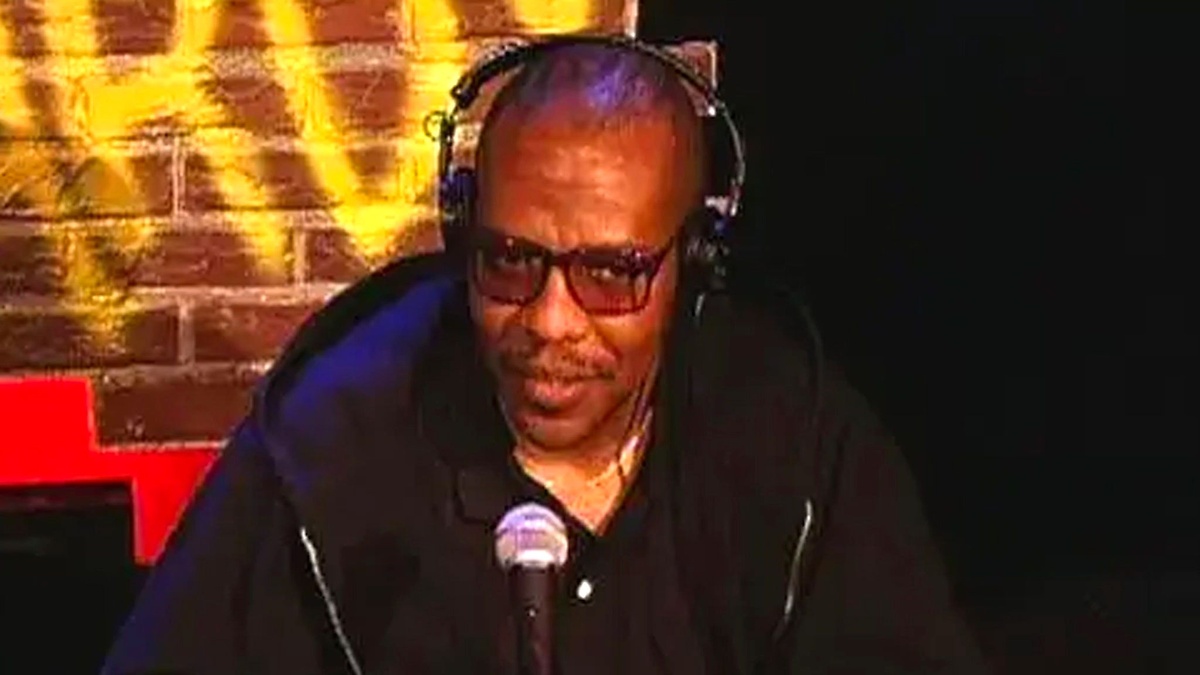
# Ronnie Benjamin, Known as Big Black, Dies at 64 After Long Battle with Heart Disease Ronnie Benjamin, the Bronx‑born voice that once echoed through Howard Stern’s late‑night studio, has died at the age of 64.
The cause, arteriosclerotic cardiovascular disease, was confirmed by the New York City Medical Examiner’s Office, a condition that builds fatty plaque inside arteries, narrowing and hardening them over time.
The details of the day and place of his passing remain private, but the news has rippled through the world of shock‑radio listeners who grew up with his candid, unfiltered interviews.
Benjamin’s nickname, Big Black, became synonymous with the Wack Pack—a colorful collection of off‑beat personalities who graced the show for decades.
Though never a regular host, he was a staple in the studio’s “deep‑cut” segments, where Howard Stern, known for his probing questions, paired him with Robin Quivers to peel back the layers of a man who lived on the fringes of the public eye.
For years, fans tuned in to hear his blunt take on sex, life, and everything in between, finding both humor and a strange, raw honesty in his words. The announcement of his death has left a palpable void in a community that found comfort in the rawness of his stories.
As the shock settles, a closer look at Benjamin’s life reveals a man who, despite a life marked by hardship, carried an intelligence that few could have imagined, from his Bronx Science High School roots to his Mensa membership—an unexpected detail that underscores the complexity of his character. ## Background & Context Born Ronnie Benjamin in the Bronx, he was a child of the gritty streets and bright classroom lights of Bronx Science High School.
There, he discovered an aptitude for numbers and logic that earned him a place in Mensa, the high‑IQ society. Yet, the path that followed was far from the one his education suggested.
Economic hardships and a series of setbacks steered him toward public assistance programs, a journey that would later become a central theme in his radio appearances. It was this juxtaposition—an educated, articulate mind living in financial uncertainty—that drew the attention of the Shock Jock.
In the mid‑1990s, Benjamin made his first appearance on the Howard Stern show, initially as a guest who could bring a fresh perspective to the station’s ever‑changing roster.
He soon became a recurring figure in the Wack Pack, a loose collective of eccentric characters who were embraced by the audience for their authenticity and humor.
Among them was Lawrence Coward, who Stern affectionately dubbed the “King of All Blacks.” The dynamic between Coward and Benjamin added a layer of camaraderie to the show, creating memorable moments that resonated with listeners.
While he never occupied a permanent slot, the producers would invite Benjamin for extended segments when the studio was full. These moments were often the highlight of the night, as Stern’s relentless curiosity dovetailed with Benjamin’s brutally honest commentary.
Whether discussing his personal relationships or broader societal observations, Benjamin maintained a level of intellectual sharpness that kept audiences engaged.
His presence became a staple of the Wack Pack’s identity, a reminder that the show could entertain while confronting the realities of life outside the glossy veneer of fame. ## What People Are Saying The reaction to Benjamin’s passing has unfolded across a spectrum of platforms, from intimate fan forums to broader social media threads.
Fans who grew up with his candid Q&A sessions express a mixture of shock and appreciation for a man who dared to speak his truth. Many recall his ability to transform mundane topics into poignant narratives, often revealing layers of humanity that listeners found unexpectedly relatable.
Online tributes have surfaced in the form of videos and comment threads where listeners reminisce about specific moments that defined Benjamin’s legacy.
One popular thread highlights a segment in which he openly discussed his experiences on public assistance, a topic that resonated with many who faced similar hardships. The sentiment is clear: his willingness to expose his own vulnerabilities created a connection that transcended the typical shock‑radio format.
Beyond the fanbase, former co‑hosts and colleagues have posted reflections on the influence Benjamin had within the studio environment. Their comments emphasize how his intelligence and straightforwardness balanced Stern’s more sensational style.
The shared acknowledgment from these insiders signals a recognition that Benjamin’s contributions were not merely for laughs but served as a touchstone for authenticity on the airwaves.
Even those who never interacted with him directly feel a sense of loss, recognizing that his presence had shaped the broader culture of late‑night radio. The collective mourning also underscores the broader conversation about mental and physical health in the entertainment industry.
While his death was attributed to a natural cause, the discussion around his journey from education to adversity highlights the complex intersection of talent, opportunity, and systemic challenges.
Fans and industry observers alike are left to reflect on how many stories like Benjamin’s remain untold or unappreciated in the larger narrative of show business. ## What Happens Next In the weeks ahead, the Howard Stern show will likely dedicate segments to honor Benjamin’s memory.
The studio’s producers have hinted at a special episode that will revisit some of his most memorable interviews, providing a retrospective that could serve both as a tribute and as a reminder of the man behind the moniker.
Though no official date has been announced, the expectation is that the episode will feature guest appearances from former Wack Pack members, offering personal anecdotes and reflections on how Benjamin impacted their careers and lives. Additionally, there is talk of a commemorative piece in the show’s online archives.
Fans who have requested access to past interviews are hoping for a curated collection that showcases the breadth of Benjamin’s contributions. This would not only preserve his legacy but also provide new listeners with the chance to experience his unique voice for the first time.
Beyond the studio, the community that rallied around Benjamin may see new initiatives aimed at supporting individuals on public assistance, inspired by his candid discussions about financial struggle.
While no formal program has been announced, the spotlight on his background could encourage charitable organizations to create resources that address the gap between potential and opportunity for young, talented individuals facing socioeconomic barriers.
Finally, the Wack Pack as a collective may pause to reassess its role in the changing landscape of radio entertainment. The loss of a prominent member like Benjamin could prompt a reevaluation of how authenticity is presented to audiences today.
Whether the show will introduce new voices or deepen existing ones remains to be seen, but the impact of Benjamin’s life will undoubtedly linger in the ethos of the station.
Ronnie Benjamin’s story—rooted in education, marred by hardship, and celebrated for its unapologetic honesty—remains the power of genuine storytelling.
As the world of shock radio bids farewell to one of its most unforgettable characters, the lessons he left behind continue to resonate with listeners and industry alike.
At a Glance
- Ronnie Benjamin, 64, passes away from arteriosclerotic cardiovascular disease.
- The beloved ‘Big Black’ was a key Wack Pack member on Howard Stern’s show.
- A Bronx Science alum and Mensa member, his death sparks debate on authenticity and socioeconomic challenges.
Why It Matters
Our Take
GoNews Pulse Editorial Team
This article was prepared for publication by GoNews Pulse and checked for publication requirements under our editorial standards. We review available information and correct material errors when they are identified.
Quick Answers
- What is the latest update on this story?
- The obituary confirms Ronnie Benjamin died of arteriosclerotic cardiovascular disease, a shocking detail that stunned his legion of listeners after years of public discussions about his financial hard
- Who is this story about?
- This article covers developments related to Ronnie Benjamin's 64-Year-Old Heart Collapse Shocks Shock Radio Community. GoNews Pulse's editorial team monitors the story and updates the article as new verified information becomes available.
- Where can I read more about celebrity news?
- GoNews Pulse publishes original reporting on celebrity news and related entertainment news. Visit the homepage or browse the section dedicated to this story for the latest coverage.
More From This Section

Jon Gosselin's 22‑Year‑Old Son Exposes Abuse, Father Shouts Support
Jon Gosselin declares that his son’s 22‑year‑old memoir exposes alleged institutionalization and a hidden ‘small holding’ cell, sparking a national debate.

Mike Colter's Valley Firm AGI Bo Revealed at 2:00 a.m. Shocks Fans
Rob McClure's portrayal of Bo forces the firm to confront a real‑world AGI asking for legal guardrails, sparking a tense ethical debate.

Meredith Grey's bed proposal to Nick on surgery table stuns fans
Meredith Grey slipped a ring into Nick's hand while he lay on the operating table, a move that stunned fans amid the bridge collapse.