
Roger Moore Almost Became Bond, but a Contract Twist Thwarted Him
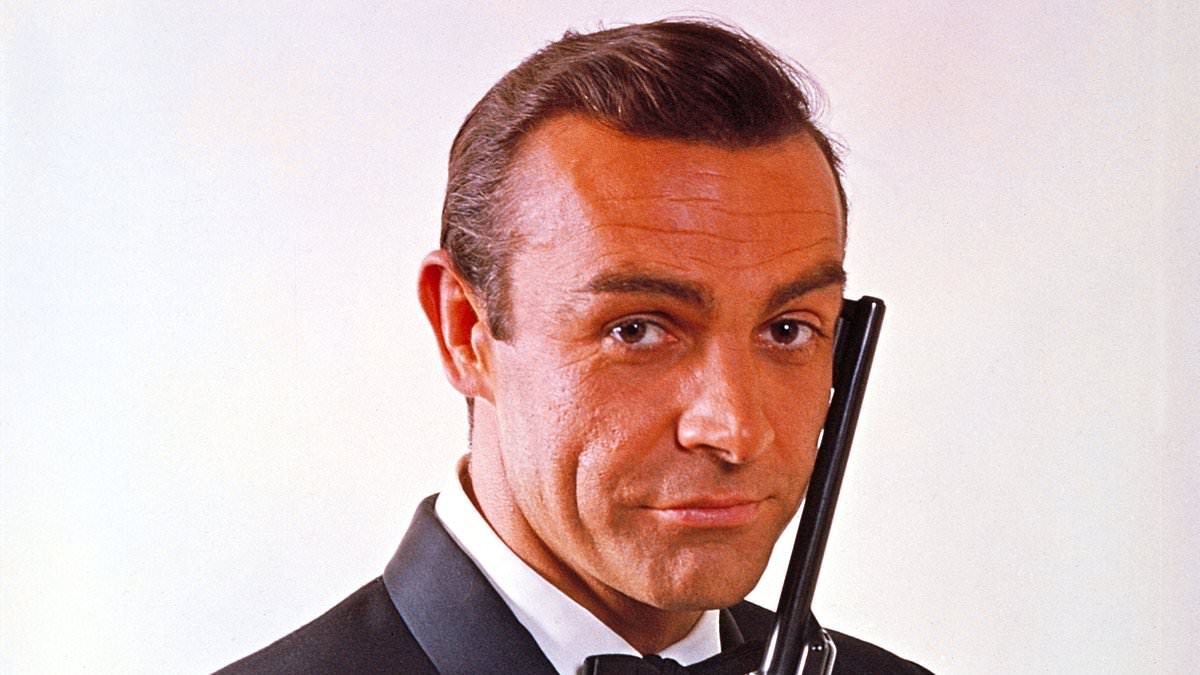
Roger Moore, who would later bring a suave charm to the role in 1973’s *Live and Let Die*, was actually the producers’ first pick for the iconic spy. The original plan had him as 007 from the very start, but contractual hurdles delayed his debut until the eighth film in the franchise.
Meanwhile, Sean Connery became the face most people associate with Bond—even though he was not the initial choice.
Sean Connery is still best known for playing James Bond, but the role’s early history shows a different path. A recent source reveals that the famed actor was not the first name on the producers’ list when they sought a new star after the first few films.
Instead, Roger Moore was earmarked to take the helm, though he could not assume the part until 1973.
Geoffrey Moore explained that his father’s contract with ITC prevented an earlier start. “He was pegged as the first, they had him in mind, but he couldn't get released from his contract with [TV company] ITC,” he said.
This contractual snag kept Roger on hold while the franchise moved forward with other actors before he finally stepped into 007’s shoes.
## Background & Context
The decision to cast James Bond was heavily influenced by Ian Fleming’s admiration for Roger Moore’s work on *The Saint*. “[Bond writer Ian] Fleming was a fan of [Roger's show] The Saint and he definitely had him in mind,” Geoffrey recounted. Fleming also had close ties with producers Albert R.
“Cubby” Broccoli and Harry Saltzman, who often met for dinner and gambling sessions. These relationships shaped the early casting discussions that ultimately set the stage for a Moore‑led Bond.
Although Roger was first chosen, production realities forced the franchise to adjust its timeline. He did not appear in *Live and Let Die* until 1973, becoming the third actor to portray 007 but the earliest original pick.
During this interval, Sean Connery emerged as a prominent face for Bond in the earlier films, solidifying his legacy despite not being the initial choice. The shifting cast lineup reflected broader changes in film production and audience expectations during the 1960s and early 1970s.
In contrast to Connery’s rugged portrayal, Geoffrey noted that Roger brought a different energy to the character. “This is why it’s Bond is such a great franchise, because each actor is a reflection of the time,” he observed.
He added that Roger’s version was less hard‑boiled, offering “aloofness and a little bit more empathy” as the genre evolved. The change mirrored societal shifts toward a less chauvinistic narrative style in early seventies cinema.
## What People Are Saying
Geoffrey reflected on his father’s delayed start, saying it ultimately proved beneficial. “It was a blessing that my father didn’t take on the role until later,” he told reporters. He explained how the timing allowed Roger to bring a fresh approach to Bond, aligning with the decade’s cultural changes.
The actor also weighed the pros and cons of becoming 007 himself. “It’s good money [but] it demands years,” he said, detailing the long‑term commitments tied to the franchise.
He elaborated that a Bond contract could tie an actor to a multi‑film deal, requiring “five or six years” of dedication and extensive promotional work. “You’re stuck for five or six years, your career is dedicated to that,” he said.
Geoffrey noted the substantial time investment: “It’s a very demanding schedule and once it’s over, you’re going to have to promote it for the next six months, so it’s a year and a half of your life [.”
When asked about rumors that he was once lined up for Bond, Geoffrey shared his practical perspective. “I would go back to the beginning. Bond liked to drink and he was a marksman, you know,” he said, hinting at the character’s classic traits.
He also acknowledged that being cast would generate buzz: “So yes you could get lot of mileage out of 'Roger Moore’s son is now playing James Bond,' that would create a bit of a bit of gossip and spread the word.” Nonetheless, he stressed the demanding nature of the role and the commitment required.
The discussion shifted to the possibility of a female Bond. Geoffrey offered a playful take, saying “Well, if it’s a female Bond, then call her Jemima.” He argued that a gender swap would necessitate a separate franchise: “I mean, it’s 'James' Bond.
Like there’s a Superman and there’s a Superwoman.” While acknowledging the skill of female spies—, potentially “smarter and…bickering, but less wars and less fighting.”
These remarks came amid speculation over who would replace Daniel Craig, who exited the role in 2021. Names such as Callum Turner, Jack Lowden, and Jacob Elordi were floated. Geoffrey indicated no preference among the shortlist, trusting producer Barbara Broccoli and Amazon’s judgment.
His comments illustrate a balanced view of legacy, gender representation, and the practicalities of franchise commitments.
## What Happens Next
Geoffrey is currently starring in the spy film *Knightfall*, marking his debut as a leading man. He portrays MI5 agent Hugh, who must collaborate with his ex‑girlfriend Ros to avert a homeland‑security crisis. The movie is already available on UK streaming services and will be released on Blu‑ray by Miracle Media on October 26.
While the possibility of Geoffrey stepping into 007’s shoes remains speculative, he has expressed confidence in his current role. “I’ve grown up around my father and learned the basics from a young age,” he said, underscoring his preparedness for a demanding screen presence.
The industry is still awaiting definitive casting decisions for Bond’s next chapter, but Geoffrey’s experience and comments provide insight into what it would mean to carry on the franchise legacy.
As the story of James Bond continues to evolve, the early casting missteps—like Roger Moore’s delayed start—serve as a reminder that even iconic roles can have unexpected origins. Geoffrey Moore’s reflections offer both a nostalgic look back and a practical assessment of what it takes to become part of cinema’s most enduring spy saga.
Why It Matters
Our Take
GoNews Pulse Editorial Team
This article was prepared for publication by GoNews Pulse and checked for publication requirements under our editorial standards. We review available information and correct material errors when they are identified.
Quick Answers
- What is the latest update on this story?
- He’s poised to become Bond, but a legal snag keeps him off the screen until 1973’s Live and Let Die.
- Who is this story about?
- This article covers developments related to Roger Moore Almost Became Bond, but a Contract Twist Thwarted Him. GoNews Pulse's editorial team monitors the story and updates the article as new verified information becomes available.
- Where can I read more about Roger Moore?
- GoNews Pulse publishes original reporting on Roger Moore and related entertainment news. Visit the homepage or browse the section dedicated to this story for the latest coverage.
Related topics
- #Roger Moore
- #James Bond
- #Geoffrey Moore
- #Bond franchise
More From This Section

Jon Gosselin's 22‑Year‑Old Son Exposes Abuse, Father Shouts Support
Jon Gosselin declares that his son’s 22‑year‑old memoir exposes alleged institutionalization and a hidden ‘small holding’ cell, sparking a national debate.

Mike Colter's Valley Firm AGI Bo Revealed at 2:00 a.m. Shocks Fans
Rob McClure's portrayal of Bo forces the firm to confront a real‑world AGI asking for legal guardrails, sparking a tense ethical debate.

Meredith Grey's bed proposal to Nick on surgery table stuns fans
Meredith Grey slipped a ring into Nick's hand while he lay on the operating table, a move that stunned fans amid the bridge collapse.