
Rodney Charters, ‘24’ Cinematographer, Dies—What Changed TV Forever?
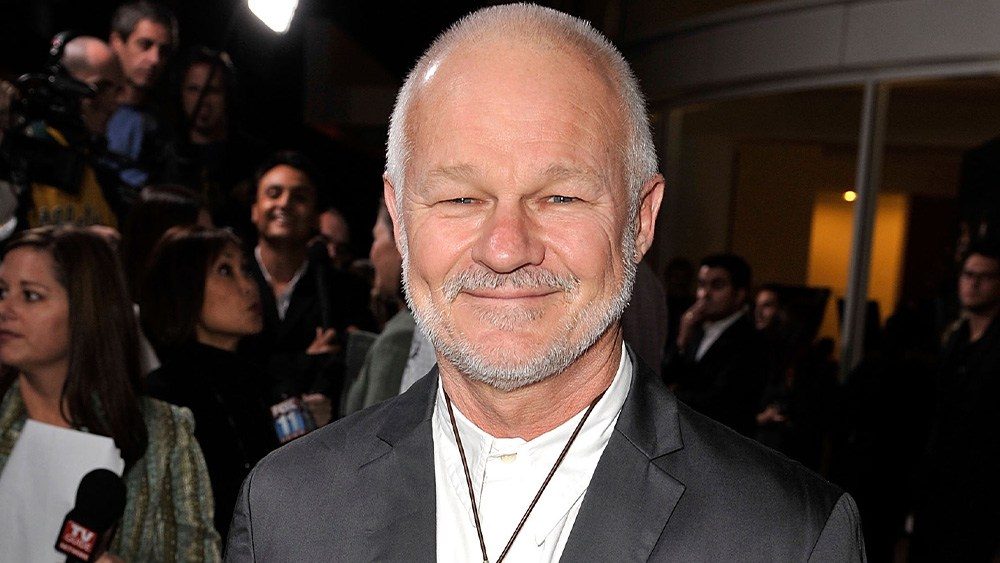
The American Society of Cinematographers released a statement on September 13 that Rodney Charters had died in Amsterdam. Charters, a veteran camera operator known for his work on the hit series *24*, was 80 years old at the time of his death.
Born in Cleveland, Ohio, Charters grew up surrounded by the hum of city life and the glow of early television sets. He studied film at the University of Southern California, where he was mentored by cinematographers who emphasized the importance of storytelling through light and movement.
After graduation, he cut his teeth on low‑budget films and independent projects before landing a role as a camera operator on the early 1990s crime drama *Nash Bridges*. That experience taught him the practicalities of shooting on tight schedules, a skill that would become indispensable in the frenetic world of serialized television.
He spent the bulk of his career shaping the visual tone of long‑running television shows, most notably the Kiefer Sutherland‑starring thriller that ran for ten seasons. Charters served as the director of photography for 184 episodes, helping to create the series’ fast‑paced, high‑energy look.
His signature approach—shooting each scene in its entirety without breaking it into setups—allowed for a more fluid visual narrative that mirrored the show’s real‑time storytelling. In a 2004 interview with *American Cinematographer*, Charters explained his approach to shooting scenes.
“We’ve evolved to the point where we always shoot a scene in its entirety — it’s never broken into setups,” he said. “We shoot two directions on every scene. We shoot one direction first, after it’s been blocked and staged by the cast privately, without even me present, which is a little uncommon in television.”
Charters’ style involved a collaborative process with the director, often surprising them with camera choices. “When we’re brought in, we have an understanding of what the scene is, but sometimes there are pleasant surprises,” Charters continued.
“[Executive producer/director] Stephen Hopkins was a great one for saying, ‘Look at the scene and imagine where the camera would never be, and that’s where I want it.’ We’ll film and light in that direction for A camera, and B camera just strays off the axis.” His willingness to experiment with unconventional angles helped *24* develop its trademark kinetic energy, while keeping production schedules manageable.
His talent earned him industry recognition early in his career. He was nominated for the Primetime Emmy Award for Outstanding Cinematography for a Single‑Camera Series in both 2005 and 2006 for his work on *24*. The nominations underscored his status as one of television’s leading cinematographers during that era.
Colleagues recall how Charters would often arrive early, reviewing lighting charts and discussing the emotional arc of each scene with writers, ensuring that visual choices reinforced narrative beats.
Beyond *24*, Charters contributed to a wide array of popular series. His credits include *Nash Bridges*, *The Commish*, *The Pretender*, *Rosewell*, *Nashville*, and the long‑running comedy‑drama *Shameless*.
He also worked on genre projects such as *Friday the 13th: The Series* and several reboots, including the updated versions of *Dallas*, *Dynasty*, and *Magnum P.I.* In addition, he served as director of photography on the fantasy series *The Shannara Chronicles*.
Each of these shows benefited from his disciplined yet inventive eye, whether capturing high‑stakes action, intimate family moments, or sprawling Western landscapes.
The ASC honored Charters in 2013 with its Career Achievement in Television Award, a distinction given to those who have made a lasting impact on the medium. The award highlighted his extensive body of work and influence on television cinematography.
During the ceremony, peers praised his ability to “translate complex scripts into visually compelling sequences while maintaining a consistent look across seasons.”
He also directed three episodes of *24*, adding directing credits to his already impressive résumé. These dual roles—camera operator and director—allowed him to shape not only the visual but also the narrative flow of the episodes he worked on.
Fans of the show often cite the seamless integration of camera work and pacing as a reason why *24* felt so immediate and immersive.
No additional public statements or obituaries have been released by Charters’ family or representatives since the ASC announcement. The organization’s brief notice confirmed his death and provided a concise overview of his career highlights.
Yet the ripple effect of his passing has already been felt across the television community, with many sharing their gratitude on social media and in forums. Fans of *24* frequently reference the show’s “bullet‑time” camera work, a technique that Charters refined over years of practice.
In comments from dedicated fan sites, viewers recalled how the series’ relentless momentum mirrored the real‑time clock—a visual storytelling feat that would have been impossible without Charters’ meticulous planning.
The television community will miss Charters’ distinctive visual style, especially his emphasis on shooting complete scenes without setups, a technique that became a hallmark of the shows he worked on. His legacy endures in the fast‑paced imagery that defined *24* and other series he helped bring to life.
By blending rigorous technical skill with creative risk‑taking, Charters taught a generation of cinematographers that speed and precision need not sacrifice emotional resonance.
Rodney Charters’ career illustrates how consistent craftsmanship can shape the aesthetic of popular television, leaving a lasting imprint on the medium for future generations.
His work reminds us that behind every gripping scene lies a seasoned hand that balances vision, timing, and collaboration—an artistry that will continue to inspire and influence storytellers for years to come.
Why It Matters
Our Take
GoNews Pulse Editorial Team
This article was prepared for publication by GoNews Pulse and checked for publication requirements under our editorial standards. We review available information and correct material errors when they are identified.
Quick Answers
- What is the latest update on this story?
- His bold camera moves, once unseen on TV, still pulse behind every adrenaline‑packed moment—find out why.
- Who is this story about?
- This article covers developments related to Rodney Charters, ‘24’ Cinematographer, Dies—What Changed TV Forever?. GoNews Pulse's editorial team monitors the story and updates the article as new verified information becomes available.
- Where can I read more about Rodney Charters?
- GoNews Pulse publishes original reporting on Rodney Charters and related entertainment news. Visit the homepage or browse the section dedicated to this story for the latest coverage.
Related topics
- #Rodney Charters
- #Primetime Emmy
More From This Section

Jon Gosselin's 22‑Year‑Old Son Exposes Abuse, Father Shouts Support
Jon Gosselin declares that his son’s 22‑year‑old memoir exposes alleged institutionalization and a hidden ‘small holding’ cell, sparking a national debate.

Mike Colter's Valley Firm AGI Bo Revealed at 2:00 a.m. Shocks Fans
Rob McClure's portrayal of Bo forces the firm to confront a real‑world AGI asking for legal guardrails, sparking a tense ethical debate.

Meredith Grey's bed proposal to Nick on surgery table stuns fans
Meredith Grey slipped a ring into Nick's hand while he lay on the operating table, a move that stunned fans amid the bridge collapse.