
Rochelle Fleming's 72-Year-Old Silence Shocks Fans After Sudden Death
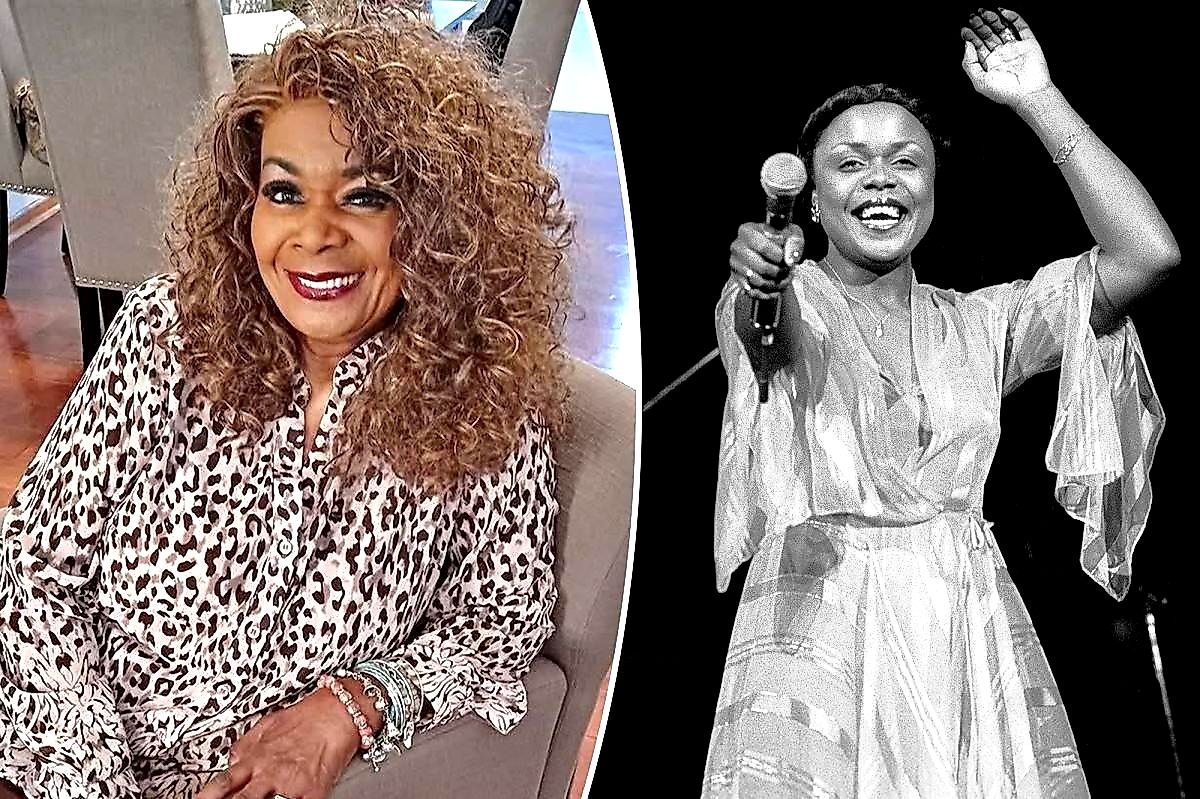
# Rochelle Fleming, 72, Bids Farewell After 1974 Hit Rochelle Fleming’s music had always felt like a warm hug wrapped in glittering disco lights, a sound that carried Philadelphia’s soul into the night.
The veteran singer, whose voice first rang out on the legendary 1974 single “The Player (Part 1),” was announced to have passed away on Thursday in her hometown, a loss that ripples through the community that nurtured her from childhood to global stardom.
A day later, a heartfelt post on the singer’s Instagram confirmed the heartbreaking news, leaving fans to scramble for details and memories of the woman who could make a crowded club feel like a cathedral.
The announcement was simple yet packed with emotion: “She bought light, laughter and love to the world.” The message, posted by a close associate, was a quiet testament to a life spent in melody and generosity.
No cause of death has been released, and the quietness around the specifics only deepens the sense of loss that follows a legend whose career spanned decades of musical evolution—from the funk-infused grooves of the early 1970s to the synth-driven hits of the 1990s.
Even as the news spread, the reverberations were felt not just in the music world but also in the churches and streets of Philadelphia, where the city’s beloved girl was raised, worshiped, and ultimately returned to. The impact of Fleming’s death goes beyond a single chart placement or a radio hit.
It reflects a life that was both a cornerstone for disco’s golden era and a bridge to contemporary R&B.
As we honor her legacy, we also look back at how she helped shape the soundscape of a generation, and we ponder how her influence will echo in the artists she inspired—her fans, who now mourn a figure they lovingly called “sweeties” instead of “fans.” In the days that follow, the story will unfold through personal tributes, historical retrospectives, and a renewed appreciation for a voice that has sung through decades of change. ## Background & Context Rochelle Fleming was born in 1950 in Philadelphia, a city that would become both her home and her stage.
Raised in a household that prized music, she found her first public platform in the choir of Christian Hope Baptist Church, where she sang as a child and remained a faithful member all her life.
The church’s choir was more than a musical outlet; it was a place where the young Fleming would practice the harmonies that later defined her career. In 1971, Fleming co-founded the disco trio First Choice alongside Annette Guest, Wardell Piper, and Malanie McSears.
The group’s harmonized vocals and danceable rhythms caught the attention of the music industry, and they quickly rose to prominence. Their breakout single “Armed and Extremely Dangerous” in 1973 showcased a bold, unapologetic edge that set them apart.
However, it was 1974’s “The Player (Part 1)” that catapulted First Choice into the limelight, climbing to the top of the U.S. R&B chart and cementing the group’s place in disco history.
Other hits like “Smarty Pants” (1973), “Doctor Live” (1977), and “Let No Man Put Asunder” (1977) added depth to their catalog, each track embodying the spirit of an era defined by liberation and rhythmic exuberance.
When First Choice disbanded in 1980, Fleming embarked on a solo career that would showcase her versatility and resilience. The mid-1980s saw her release the infectious “Love Itch,” a track that blended funk grooves with anthemic choruses.
The 1990s brought “Danger!” and “Suffer (The Consequences),” both reflecting a darker, more introspective side of her artistry. These releases demonstrated that Fleming could adapt her voice to changing musical landscapes while staying true to her roots.
Even as the disco era waned, her talent kept her relevant, bridging the gap between the rhythmic innovations of the 70s and the soulful pop of later decades. In recent years, Fleming remained an active figure in music, albeit with less frequent public appearances.
Her last track, a 2025 collaboration with Terry Hunter titled “Balls 2 Bounce,” highlighted her willingness to experiment with contemporary sounds. While she did not perform regularly after 2019, when she graced the stage in New York City, her legacy continued to inspire new generations.
The quiet, reflective way she left the world mirrors the calm, soulful energy that defined her career—a final bow that resonated with fans and peers alike. ## What People Are Saying The first wave of reactions came from those who had worked closely with Fleming.
Her longtime manager, George Iz Correia, posted a moving tribute that encapsulated both grief and gratitude.
He wrote, “Although my heartbreak is unbearable and the gravity of the situation hit at the most sporadic times, I have so many wonderful memories with Rochelle that I can’t help but smile with immense gratitude.” Correia’s words paint a picture of a woman who, despite the weight of loss, remembered the joy that came from a life in music.
He praised Fleming’s kind heart and her refusal to call anyone a fan, preferring the affectionate term “sweeties.” In his closing lines, he urged, “So let’s continue to celebrate her and the legacy of ‘First Choice’s’ music,” signifying the enduring nature of her influence.
Fleming’s influence extended beyond the music industry. The Christian Hope Baptist Church community, where she began her singing journey, offered a heartfelt statement in memory of the “Love Itch” songstress.
The church noted, “Even as a world-renowned artist, she always came home.” The statement evoked images of a young woman returning to the sanctuary where she first sang in harmony with other children.
Their description of her voice stirring spirits, moving people to tears, and lifting them into praise underscores how her music transcended the stage and became a spiritual experience for those who knew her in her formative years.
Among her peers, many celebrated her distinctive vocal style and the authenticity she brought to each performance. A former First Choice member, speaking anonymously, recalled how the group’s harmony was built on trust and mutual respect—a trait that carried into her solo career.
Fans on social media flooded with photos and memories, each image how she had touched their lives. Many reminisced about the days when “The Player (Part 1)” blared through club speakers and the city’s nightlights matched the beat.
The collective mourning showcased the profound emotional connection her music had forged across time, resonating with a generation that grew up on her tracks. The broader cultural impact of Fleming’s death is also evident in how she is being remembered by music historians and commentators.
Critics note that her transition from disco to R&B mirrored the broader shift in African American music culture, reflecting the complexities of the era. Her insistence on calling her fans “sweeties” also indicates a desire to create an inclusive, loving community—a sentiment that modern audiences find refreshing.
As the outpouring continues, her name is often recalled alongside other iconic figures whose deaths marked the end of an era, solidifying her place among the pantheon of artists who shaped the sound of an entire generation. ## What Happens Next With the official announcement now part of the public record, the next phase involves honoring Fleming’s life through various memorials and tributes.
The church that raised her will likely host a special service, perhaps featuring recordings of her early choir performances, offering a moment of reflection for those who have known her from the beginning.
The music community may also organize a tribute concert, possibly featuring some of the artists she collaborated with over the decades. These events will serve not only as a remembrance but also as an opportunity to celebrate her contributions to music history.
The entertainment industry will undoubtedly revisit her catalog, bringing her music back into circulation. Streaming platforms may curate special playlists, highlighting her most iconic tracks from First Choice to her solo hits.
Record labels and music rights holders might also consider reissuing her earlier works, providing new audiences with an opportunity to discover her legacy. The industry’s attention may also spark academic discussions about the evolution of disco and R&B, with scholars .
On a personal level, those who worked closely with Fleming—managers, producers, fellow musicians—may release private recordings or behind-the-scenes footage that gives fans insight into her creative process. Such releases often provide a richer, more intimate portrait of the artist, beyond the polished public image.
In addition, the charitable foundations or causes she supported may receive heightened attention, potentially prompting new initiatives in her memory. Ultimately, the next step is a communal honoring of a woman whose voice shaped a generation.
The legacy of Rochelle Fleming will be carried forward by the countless listeners who still turn up the volume on her tracks, by the young artists who cite her as an inspiration, and by the communities that grew around her music.
Her final note—though silent now—resonates in the echoes of the clubs, churches, and living rooms where her songs once filled the air. The music world, though bereft of a legend, is richer for her influence.
As we close this chapter, we remember that every rhythm she set in motion continues to dance in the hearts of those who found joy, solace, and empowerment in her music. Her story, from choirboy in Philadelphia to disco diva, is the enduring power of melody and the quiet strength that underpins a life lived in song.
At a Glance
- 72‑year‑old Philadelphia legend Rochelle Fleming dies, shocking fans worldwide.
- Her iconic 1974 hit “The Player (Part 1)” cemented her legacy in disco and R&B.
- Post‑humor tribute plans include memorial services, tribute concerts, and re‑issues of her catalog.
Why It Matters
Our Take
GoNews Pulse Editorial Team
This article was prepared for publication by GoNews Pulse and checked for publication requirements under our editorial standards. We review available information and correct material errors when they are identified.
Quick Answers
- What is the latest update on this story?
- Rochelle Fleming’s final Instagram post quoted, “She bought light, laughter and love to the world,” leaving fans stunned as her sudden 72‑year‑old death.
- Who is this story about?
- This article covers developments related to Rochelle Fleming's 72-Year-Old Silence Shocks Fans After Sudden Death. GoNews Pulse's editorial team monitors the story and updates the article as new verified information becomes available.
- Where can I read more about celebrity news?
- GoNews Pulse publishes original reporting on celebrity news and related entertainment news. Visit the homepage or browse the section dedicated to this story for the latest coverage.
More From This Section
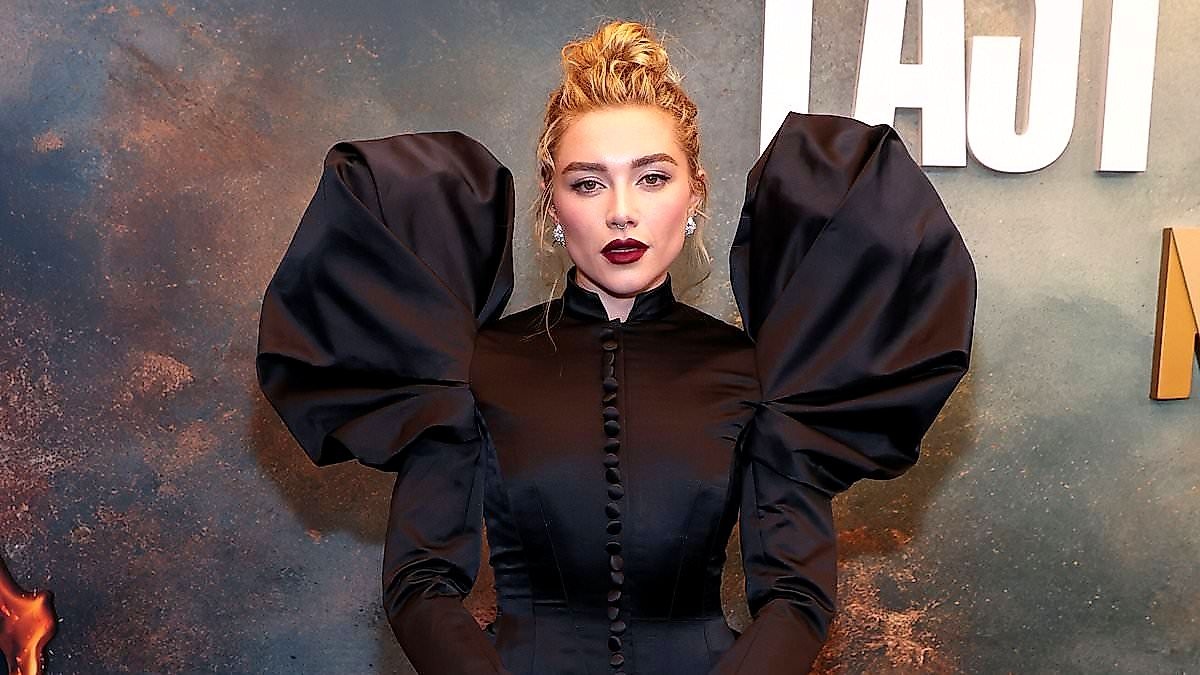
Florence Pugh's puff-sleeve gown East of Eden premiere shocks fashion
Florence Pugh's silver-lined version of the gown, shared on Instagram, reveals how her styling mirrors her powerful role as executive producer and her star power.

Deen Castronovo 62 Walks Out of Journey's Final Frontier Tour-Health
After a medical emergency in Tulsa, Castronovo was forced offstage in Boston, and the band brought in session drummer Steve Murphy to finish the tour.
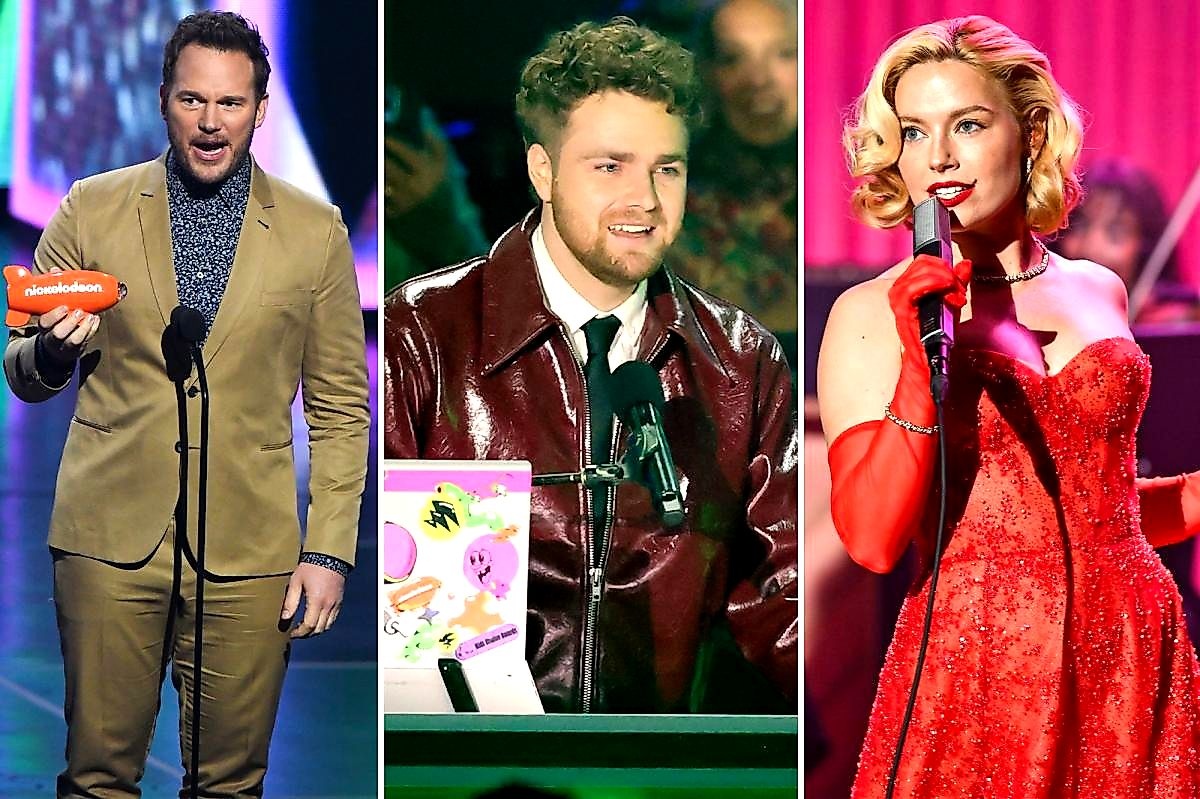
Chris Pratt's slime‑filled King of Comedy Award wins fans' applause
Pratt laughed as blue slime drizzled over him, shouting "I love kids" — a moment that made the KCAs go viral overnight.