
Rob Lowe at 63 Accuses Hollywood of Blacklisting Shapiro's Film
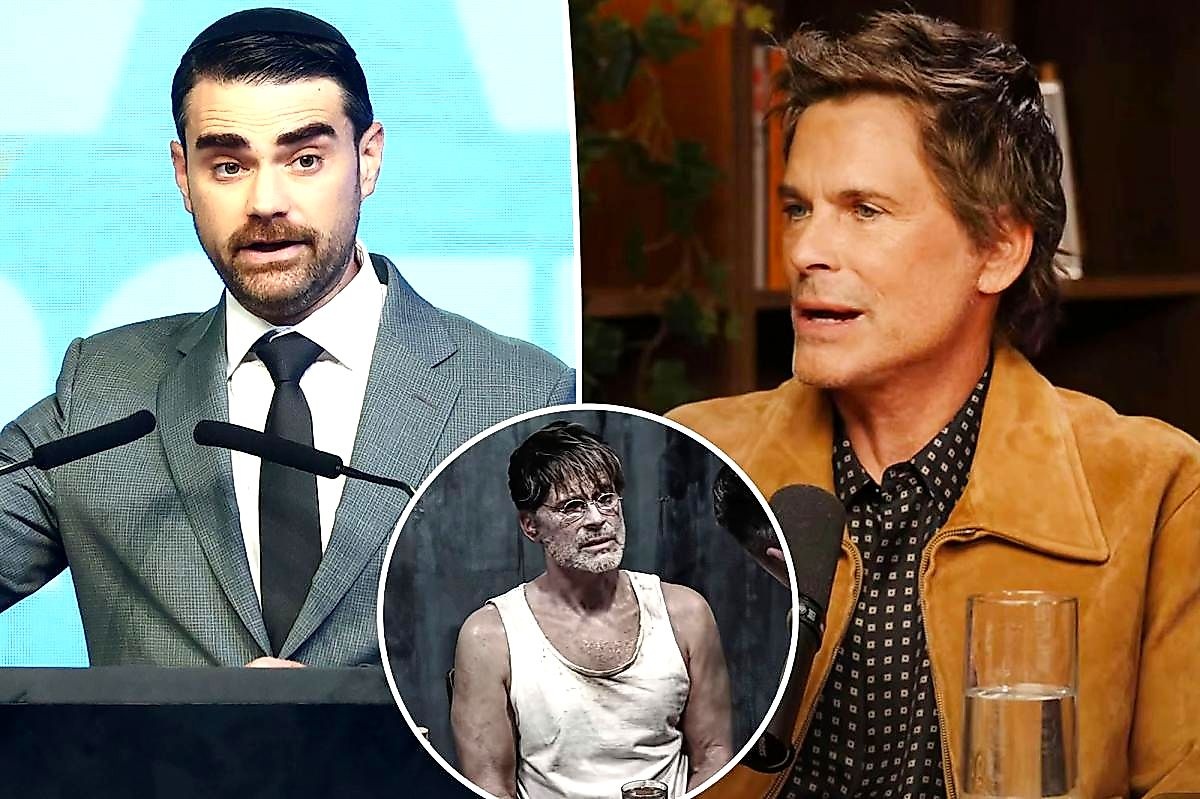
# Rob Lowe Accuses Hollywood of Blacklisting Ben Shapiro’s ‘Confession’ and Stands by the Right‑Wing Film Rob Lowe, 63, has publicly accused Hollywood of actively suppressing Ben Shapiro’s historical drama “Confession,” a claim that has sparked a fresh debate about political bias in the film industry.
On the “Second Thought” podcast, the former “Parks and Recreation” star described a relentless series of festival rejections, a controversial casting choice, and the broader implications for artistic freedom.
His remarks come at a time when the entertainment world is increasingly polarized, and the question of whether a movie can be judged purely on its craft—or must also endure a political audit—has never been more contentious.
The drama, directed by Václav Marhoul, follows Alexei, a professor incarcerated by Stalin’s regime in 1938. Lowe’s portrayal, alongside James Franco and Nick Nolte, was billed as a bold departure from his usual roles.
Yet, the film was met with a cold reception from festival programmers, who called the rejections “all political.” Shapiro, the conservative commentator and founder of the Daily Wire, originally wrote the screenplay.
When the film was shelved by mainstream distributors, it eventually found an outlet through Shapiro’s media company—a move that Lowe said was far from preordained. The controversy highlights a growing frustration among filmmakers who fear that creative projects can be derailed by perceived political stances.
Lowe’s own career, which has spanned sitcoms, dramas, and independent cinema, lends weight to his claim that Hollywood is not immune to ideological gatekeeping.
He insists that his involvement in “Confession” was a professional decision, not a political statement, and that his reputation for working with writers across the ideological spectrum should speak for itself. ## Background & Context The film’s genesis traces back to a screenplay written by Ben Shapiro, a figure traditionally associated with right‑wing commentary.
“Confession” was conceived as a historical piece set in Soviet Russia, focusing on the harrowing experience of a professor who fell victim to Stalin’s purges.
The story’s political backdrop made it a complex project for any distributor, and the script’s author, a commentator more known for policy analysis than for film writing, added an extra layer of scrutiny. Rob Lowe’s involvement began when Shapiro reached out to him for the role of Alexei.
Lowe recalled a candid conversation where Shapiro challenged him to consider the project’s merit beyond politics. “He asked me if I’d work with the most right‑wing writer in the world, and I told him I’d worked with the most left‑wing writers in the world,” Lowe said.
This exchange underscored Lowe’s willingness to collaborate regardless of ideology, a stance he has maintained throughout his career, After the script was finalized, the film entered the festival circuit in October 2023, debuting at the Warsaw International Film Festival.
Despite a compelling narrative and strong performances, the film faced an unexpected series of denials.
Lowe described the experience as being “frog‑marched out of any conversation.” The repeated rejections sparked his accusations that Hollywood was silencing a project that, he argued, should be evaluated purely on its artistic merits.
The film ultimately premiered in theaters on November 11, following its festival showing. ## What People Are Saying Reactions to Lowe’s claims have been polarized. Some industry insiders echo his frustration, arguing that political considerations increasingly influence distribution decisions.
Others maintain that the film’s political content, coupled with its controversial creator, may have legitimately affected its marketability. Fans of the movie have taken to social media to support Lowe, voicing concern over potential censorship.
Meanwhile, Ben Shapiro’s own media outlet, the Daily Wire, stepped in to distribute “Confession,” a move that bypassed conventional channels. This decision has been criticized by those who view it as an attempt to sidestep mainstream gatekeepers.
However, supporters argue that the Daily Wire’s involvement was a necessary alternative to keep the project alive. Lowe’s defense of his participation in the film hinges on his long-standing reputation for versatility.
He has repeatedly emphasized that he is not an ideologue, . “I’ve campaigned for Republicans.
I’ve campaigned for Democrats,” he said on the podcast. By framing the project as an artistic endeavor rather than a political statement, Lowe seeks to distance the film from the partisan controversies that surrounded it.
The broader industry conversation centers on whether a movie should be judged by its content alone or by the political identities of its creators.
Some argue that a film’s political background should not preclude it from being screened, while others caution that certain narratives may carry biases that influence reception.
In this climate, Lowe’s accusations have resonated with a segment of the audience that feels increasingly marginalized by a media landscape that appears to favor one side of the political spectrum. ## What Happens Next The fallout from Lowe’s public statements is likely to ripple across both film festivals and distribution platforms.
Festival programmers may face pressure to reexamine their selection criteria, ensuring that creative projects are not automatically disqualified due to the political views of their writers or directors. Distributors may also need to reassess their risk models, balancing potential backlash against artistic integrity.
For “Confession,” the path forward involves a combination of grassroots promotion and strategic release.
The film’s availability through the Daily Wire offers a direct channel to audiences that align with Shapiro’s readership, while independent theaters can capitalize on the controversy to draw in viewers curious about the political debate.
Lowe’s own social media presence may also play a in rallying support, as he continues to defend the film’s artistic value. Beyond the immediate implications for “Confession,” Lowe’s accusations could encourage other filmmakers to push back against perceived ideological gatekeeping.
If industry stakeholders take heed, there may be a renewed emphasis on transparency and inclusivity in the selection and distribution process. Alternatively, the controversy could entrench a divide, prompting more cautious approaches to projects that blur the line between politics and storytelling.
For audiences, the conversation invites reflection on how personal beliefs shape media consumption. Whether “Confession” ultimately succeeds at home or in the theater may depend less on its political background and more on the authenticity of its performances and the resonance of its narrative with viewers worldwide.
As the film industry evolves, the case of Rob Lowe and Ben Shapiro’s collaboration stands as a cautionary tale—and perhaps a call—for a broader, more open dialogue about art, politics, and the stories we choose to tell.
Rob Lowe’s decision to take on a role written by a polarizing figure has underscored a pressing question: can a movie be judged solely on its craft, or will its creator’s ideology dictate its fate? The industry watches closely, and the conversation continues.
At a Glance
- Rob Lowe, 63, publicly accuses Hollywood of blacklisting Ben Shapiro’s film "Confession," "
- The film, written by Shapiro and directed by Václav Marhoul, bypassed mainstream distributors, eventually released
- The controversy fuels debate over ideological gatekeeping in Hollywood, with industry insiders split on whether a creator’s politics should influence distribution.
Why It Matters
Our Take
GoNews Pulse Editorial Team
This article was prepared for publication by GoNews Pulse and checked for publication requirements under our editorial standards. We review available information and correct material errors when they are identified.
Quick Answers
- What is the latest update on this story?
- Lowe claims festival programmers called the film's rejection "all political," sparking a debate over Hollywood’s alleged ideological gatekeeping.
- Who is this story about?
- This article covers developments related to Rob Lowe at 63 Accuses Hollywood of Blacklisting Shapiro's Film. GoNews Pulse's editorial team monitors the story and updates the article as new verified information becomes available.
- Where can I read more about celebrity news?
- GoNews Pulse publishes original reporting on celebrity news and related entertainment news. Visit the homepage or browse the section dedicated to this story for the latest coverage.
More From This Section

Mila Kunis reveals she and Kutcher kissed the same two actresses
During a Kelly Ripa podcast, Kunis said, 'They kissed me and I kissed them,' adding she kissed them in 2010 Black Swan, sparking wild speculation.
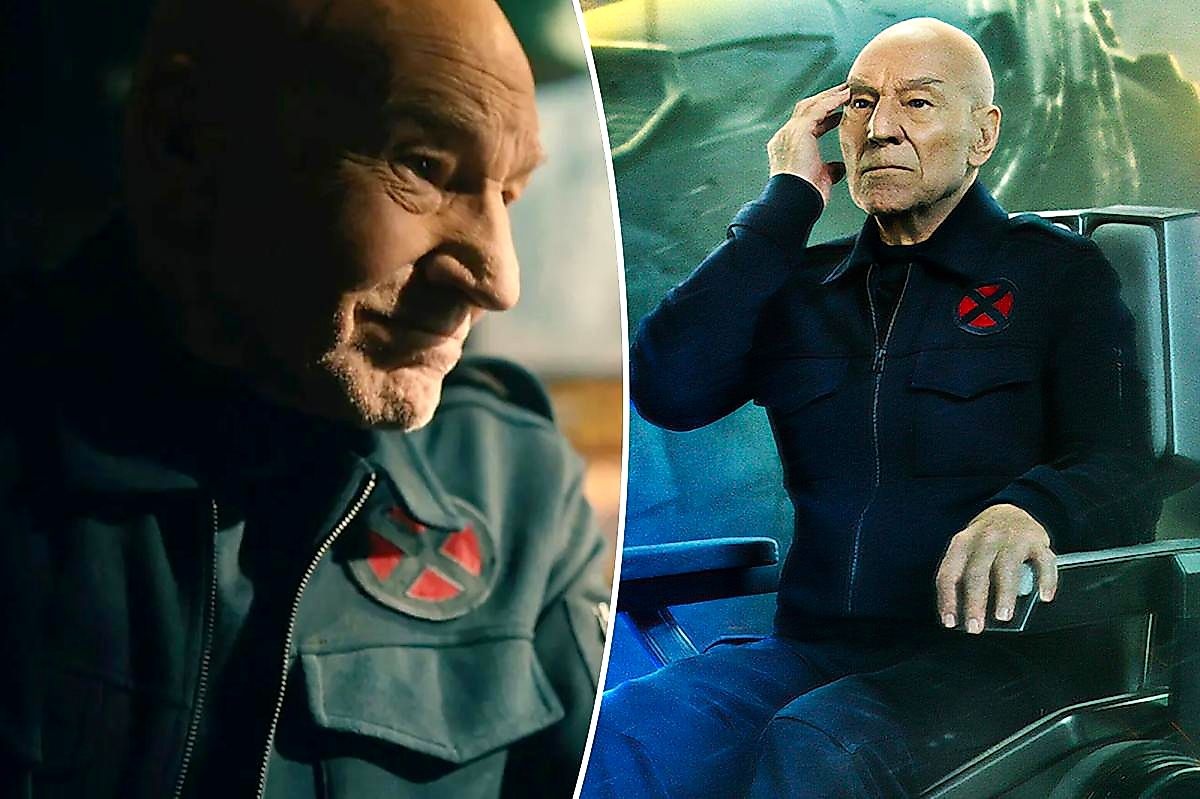
Patrick Stewart's final set scene in 2026 tears fans as he delivers farewell
Patrick Stewart whispers 'thank you' to the crew in a tearful speech, hinting this may be his final film set appearance and the studio audience gasps.
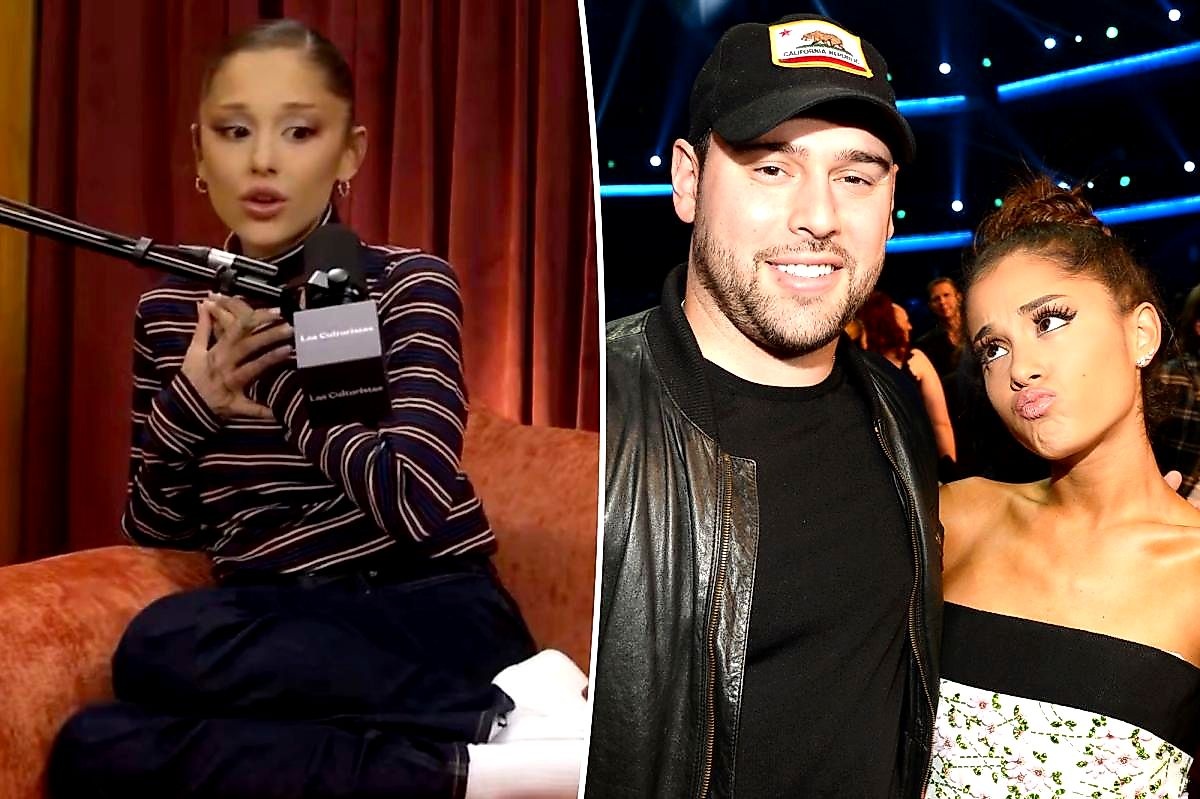
Ariana Grande's 33-Year-Old Shuts Down 10-Year Management Feeling Unsafe
She said, 'When you have safety around you, your body knows,' after cutting ties with her manager, sparking debate on artist safety and freedom.