
RJ Mitte's mismanaged check robs him of 'Breaking Bad' pay, revelation
# RJ Mitte Exposes How a Check Cost Him All His 'Breaking Bad' Pay Two years after a brief but unforgettable stint on one of the most‑watched shows of the 2000s, the actor who brought to life Walter White’s son, Jesse Pinkman’s son, has left a stark confession that reveals how a single mistake can erase years of hard‑earned income.
RJ Mitte says a mismanaged check and a shady business manager wiped out the money he thought he was making from the iconic series, and the story now frames his tragic death earlier this month.
Mitte’s breakout came when he joined the cast of *Breaking Bad* in 2009, playing a young boy with cerebral palsy who becomes entangled in the drug world his father, a chemistry teacher, has built.
The role was a career launchpad, yet the actor has repeatedly pointed out that the financial payoff never lived up to the show’s massive success.
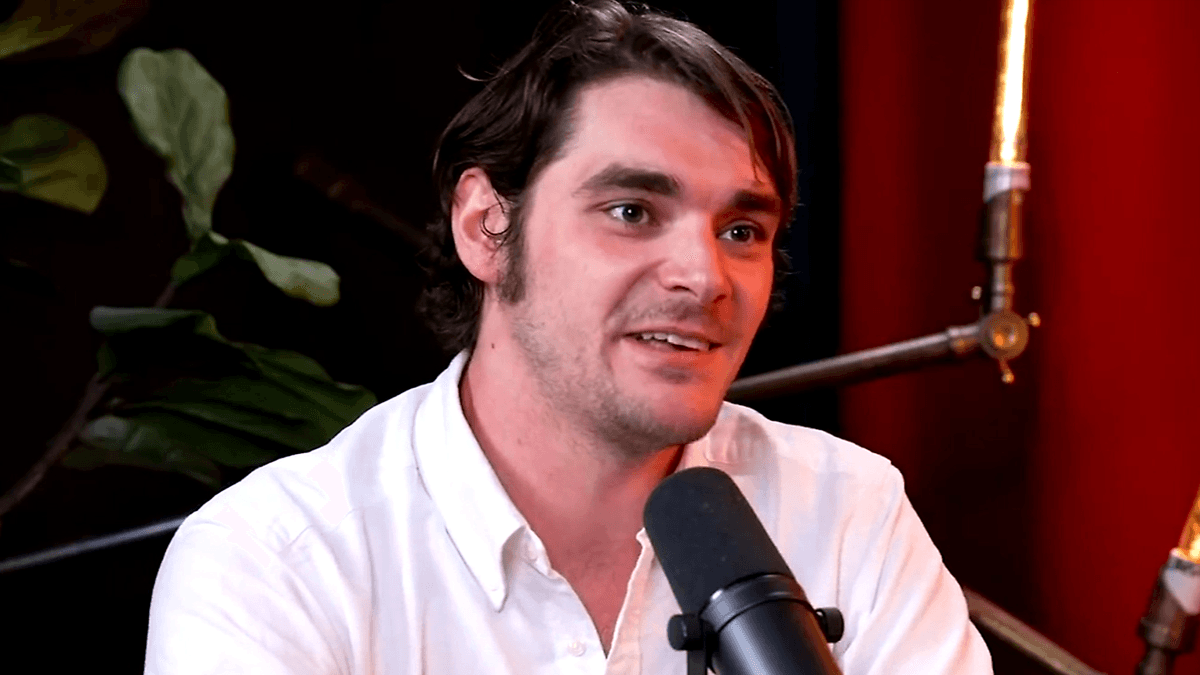
In a candid interview on *The Iced Coffee Hour* last year, he admitted that he never saw the money he earned, The revelation came at a time when Mitte’s life was already under scrutiny after he publicly shared his experience as a disabled actor navigating Hollywood’s opaque systems. The confession was twofold.
First, Mitte argued that the sheer weight of federal and state taxes left him with less than he expected. Second, he described how a business manager—whom he hired during his teens—used a fake tax filing to siphon off his funds.
He told the podcast that he would write checks to cover his tax bill, but the manager would then send back a falsified return and pocket the money himself.
The allegations paint a picture of exploitation that he claims extended beyond his own experience to other vulnerable actors, many of whom are older or have disabilities. ## Background & Context The actor’s on‑screen legacy is defined by a small but iconic role that earned critical acclaim and a devoted fan base.
Behind the camera, however, Mitte has faced a reality many in the industry confront: a gap between appearance and actual earnings. The story of how taxes and a single misstep can erase a paycheck speaks to a broader conversation about financial literacy, representation, and the hidden labor that accompanies fame.
Mitte’s early life in the entertainment world began as a teenager, when he first auditioned for *Breaking Bad* while still in high school. His parents, both concerned about his cerebral palsy, had been cautious about the industry’s demands.
Despite this, the young actor secured a role that would make him a household name. Yet, he quickly realized that the money generated by a popular show was not a straightforward cash flow.
The complex web of residuals, syndication rights, and union agreements often left performers scrambling to understand what they truly earned. The revelation that a manager could exploit an actor’s finances is not an isolated incident.
Within the broader context of Hollywood, there have been numerous cases where representatives—agents, managers, or attorneys—have taken advantage of less experienced or vulnerable actors.
This is especially true for performers with disabilities or those who lack a solid financial background, as they may lack the tools to scrutinize contracts or tax filings.
Mitte’s story, therefore, adds to the growing chorus demanding greater transparency and safeguards in the entertainment industry. ## What People Are Saying The fallout from Mitte’s revelations has been swift.
Fans of *Breaking Bad* and the broader community have taken to social media to express shock, support, and calls for accountability. While many have defended the show’s cast and crew, a significant portion of the conversation has focused on the systemic failures that allow such exploitation to happen.
The actor’s candid description of the manager’s tactics—sending a fake filing while pocketing the money—has prompted many to question the safeguards in place for young actors.
Industry insiders, though careful not to name individuals, have suggested that the case highlights the need for better education around financial management for actors. In particular, the role of talent agencies and managers is being scrutinized.
Some advocate for stricter regulatory oversight, while others push for more comprehensive financial literacy programs tailored for actors at the start of their careers.
Meanwhile, disability advocacy groups have seized on Mitte’s account as evidence that disabled performers face extra layers of risk when navigating contracts and financial agreements. The actor’s death by suicide earlier this month has intensified the conversation.
Tributes from former co‑stars, directors, and fans underscored the profound emotional impact of his struggles. In the wake of the tragedy, many are asking: how could a beloved figure who appeared on one of the most iconic shows feel so isolated that he chose to end his life?
The answer appears to lie partially in the hidden financial burdens that Middleton carried, compounded by the isolation that can accompany a disability in an industry that rewards outward success. ## What Happens Next In the days following the actor’s death, his family and friends have taken steps to honor his memory and bring attention to the issues he faced.
He will be laid to rest in Texas, where he spent his final years. Friends and former colleagues have organized memorial screenings of *Breaking Bad* episodes featuring Mitte’s performance, providing a communal space for fans to remember his contributions.
The larger conversation around financial exploitation in Hollywood is expected to intensify. Advocacy groups are calling for comprehensive reforms to protect actors, especially those who are young, disabled, or otherwise vulnerable.
Some are pushing for mandated financial education as part of standard industry onboarding. Additionally, industry bodies may review their oversight procedures to ensure that managers and agents cannot continue to operate with unchecked authority over a performer’s earnings.
In a final note, the actor’s story reminds us that a star’s public image often masks the invisible labor and challenges that underlie it.
The financial strain that he described—paying more in taxes than he earned, and having a manager siphon off his funds—shadows the bright moments that made him a favorite on television screens.
As fans and industry stakeholders process this tragedy, there is an urgent call to create a safer, more transparent environment for all performers, ensuring that the next generation of actors does not repeat the mistakes that cost Mitte both his wealth and his life.
At a Glance
- RJ Mitte exposed a manager who siphoned off his 'Breaking Bad' check, leaving him with little earnings.
- The revelation highlights systemic financial exploitation of vulnerable actors, especially those with disabilities.
- Mitte's tragic suicide amplifies calls for transparency and financial literacy education in Hollywood.
Why It Matters
Our Take
GoNews Pulse Editorial Team
This article was prepared for publication by GoNews Pulse and checked for publication requirements under our editorial standards. We review available information and correct material errors when they are identified.
Quick Answers
- What is the latest update on this story?
- Mitte revealed his manager siphoned off the mismanaged check, leaving him with little 'Breaking Bad' earnings—a shock that hit fans after his tragic suicide.
- Who is this story about?
- This article covers developments related to RJ Mitte's mismanaged check robs him of 'Breaking Bad' pay, revelation. GoNews Pulse's editorial team monitors the story and updates the article as new verified information becomes available.
- Where can I read more about celebrity news?
- GoNews Pulse publishes original reporting on celebrity news and related entertainment news. Visit the homepage or browse the section dedicated to this story for the latest coverage.
More From This Section

Netflix's $277k box office break shatters streaming dominance
The film earned $108.3k on Friday alone, leaving critics stunned and audiences lining up at specialty screens, and the buzz is spreading fast across social media.

Courteney Cox 62 Turns Heads in Black Bikini on Hawaiian Beach
At Jennifer Meyer’s wedding, 62‑year‑old Courteney Cox stunned guests in a sleek black bikini, revealing a new fitness‑focused lifestyle that fans are buzzing about.

Steve Kazee's 'We Got You' Post Spurs Jenna Dewan After Val Suspension
Kazee wrote, 'Every time I think I can’t love you more…' as Jenna faced a sudden partner change right before the live finale.