
RJ Mitte’s 29‑Year‑Old Suicide Shuts ‘Forgotten Outlaw’ Production
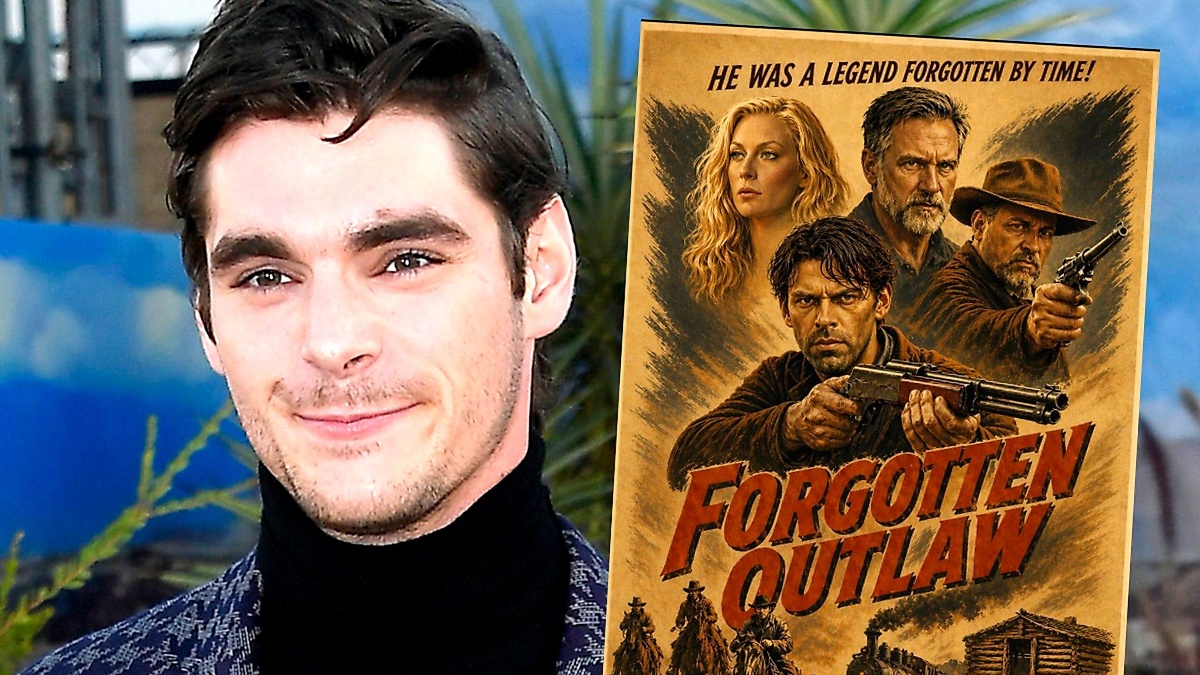
**# RJ Mitte’s 29‑Year‑Old Suicide Halts ‘Forgotten Outlaw’, Vows to Finish** When the world learned that RJ Mitte, the actor who made a lasting mark as Walter White Jr. on *Breaking Bad*, had taken his own life, the ripple of grief stretched far beyond his fanbase.
The shock reverberated through the set of his most ambitious project yet, *Forgotten Outlaw*, a period crime drama that had been in the early stages of pre‑production.
Director, writer, and producer Nik Tizekker was left with a stark dilemma: honor a man who had already become the living embodiment of the film’s lead, while grappling with the practical realities of moving forward after his untimely death.
Tizekker, who had worked closely with Mitte for months, described the actor as a perfect fit—not only because Mitte possessed the emotional depth needed for the outlaw’s complex psyche, but also for the uncanny physical resemblance to the real-life figure the story aimed to portray.
The decision to pause production was made swiftly after the news of Mitte’s death, with Tizekker publicly pledging to keep the project alive in memory of his friend.
Yet the road to a new lead, the search for fresh financing, and the emotional toll on a crew already familiar with a man who had become both collaborator and confidante, left a heavy, uncertain path ahead. Mitte’s legacy stretches well beyond the screen.
A cerebral palsy activist, he leveraged his platform to champion disability representation in Hollywood, served as an ambassador for United Cerebral Palsy and Shriners Children’s, and directed his charitable efforts through the Mitte Foundation.
His passing, confirmed by a county official in Texas and currently under investigation, left a community of fans, colleagues, and advocates in mourning and, for many, a renewed urgency to preserve the stories he was so passionate about telling. ## Background & Context *Forgotten Outlaw* was conceived as a gritty, character‑driven narrative set against the backdrop of 1930s America.
The film’s script, penned by Tizekker, weaves the outlaw’s rise to notoriety with the moral quandaries he faces, intending to humanize a legend often reduced to folklore. Production had entered a critical pre‑production phase when Mitte’s death was announced.
Casting meetings had been held, locations scouted, and a budget outline drafted, all under the assumption that Mitte would bring the role to life.
Tizekker, a seasoned filmmaker with a reputation for blending intimate storytelling with period authenticity, had worked with Mitte on a separate venture, a limited series titled *Like It Was Yesterday*. The series delves into near‑death experiences, a subject Mitte had explored through personal experience.
Scenes featuring Mitte alongside actress Catherine Carlen, who portrayed his mother, were already shot, and roughly half of the series had been completed before the tragic event.
The unfinished material has now become a bittersweet archive, representing both a completed chapter and a project that cannot be finished without a new creative direction. Financially, the project was already on shaky ground.
Before his death, Mitte had played a in securing additional funding, leveraging his name and network to attract investors. The loss of his advocacy in the funding process compounded the uncertainties.
Tizekker’s public statements suggest that the film’s future hinges not only on recasting but also on re‑establishing financial backing, a challenge that demands strategic re‑thinking of the production’s scope and budget. ## What People Are Saying Within the industry, reactions have been swift and layered.
Tizekker, speaking to a close group of industry insiders, emphasized that the decision to pause was driven by a commitment to both respect Mitte’s memory and preserve the integrity of the project.
He acknowledged the difficulty of finding a replacement who could embody the nuanced balance between physical likeness and psychological depth that Mitte had so naturally provided.
“We’re going to move forward with the honor and love that he invested in this film,” he said, underscoring the emotional weight that accompanies the task of recasting. Colleagues who worked alongside Mitte noted his collaborative spirit.
A longtime associate recalled how Mitte had been deeply involved in script discussions, often bringing fresh perspectives that enriched character development. These anecdotes have fueled conversations about how his absence will shape the film’s trajectory.
Meanwhile, advocates for disability representation expressed disappointment at the loss of a powerful voice that had opened doors for actors with diverse abilities. Their sentiment has spurred calls for the film to proceed as a tribute, ensuring Mitte’s legacy continues to influence casting and storytelling practices.
Public reactions have been marked by a surge of tributes across social media, reflecting the impact Mitte had on audiences worldwide. Fans highlighted his work beyond *Breaking Bad*, celebrating his philanthropic efforts and his candid discussions about living with cerebral palsy.
The outpouring of support has also amplified scrutiny over the film’s future, with viewers demanding transparency about how the production plans to honor Mitte while navigating the logistical complexities that now lie ahead. ## What Happens Next The immediate priority for Tizekker and his team is to revisit the casting process with a respectful lens toward Mitte’s original vision.
He has indicated that the search for a new leading man will be conducted with the same standards of physical resemblance and emotional resonance that defined Mitte’s selection.
However, the recasting decision will also factor in the need to align with the revised financial plan, which may require adjustments to the film’s scale or narrative focus.
On the funding front, Tizekker has expressed a willingness to explore alternative financing avenues, including potential partnerships with production companies that have a history of supporting independent projects with social impact themes.
The team is also examining the possibility of leveraging the completed footage from *Like It Was Yesterday* as a fundraising catalyst, presenting the series as Mitte’s passion for storytelling and his desire to push the boundaries of televised narratives.
This strategy aims to rally both investors and audiences around a shared vision that honors Mitte’s contributions while propelling the project toward fruition.
Simultaneously, the production has engaged legal counsel to navigate the complexities of intellectual property rights, contractual obligations, and the ethical considerations of proceeding with a film that was conceived around a deceased actor.
These steps, though procedural, underscore a broader industry conversation about how to responsibly handle creative works in the aftermath of a key contributor’s death. ## Closing As the industry holds its collective breath, the story of *Forgotten Outlaw* transforms from a halted production into a living homage to RJ Mitte’s indelible imprint on cinema and advocacy.
The path ahead is fraught with logistical and emotional hurdles, but it also offers an opportunity to honor a man whose legacy continues to inspire filmmakers, actors, and audiences alike.
The film’s future, whether it emerges in a new form or remains unfinished, will undoubtedly echo Mitte’s steadfast commitment to authenticity, representation, and storytelling that transcends the ordinary.
At a Glance
- RJ Mitte’s 29‑year‑old suicide abruptly halted the pre‑production of 'Forgotten Outlaw'.
- Director Nik Tizekker vows to honor his friend by recasting the lead and securing fresh financing.
- The case highlights the industry’s struggle to proceed with a film centered on a deceased actor while advancing disability representation.
Why It Matters
Our Take
GoNews Pulse Editorial Team
This article was prepared for publication by GoNews Pulse and checked for publication requirements under our editorial standards. We review available information and correct material errors when they are identified.
Quick Answers
- What is the latest update on this story?
- Director Nik Tizekker promises to keep 'Forgotten Outlaw' alive, pledging a fresh cast and new funding to honor RJ Mitte's legacy.
- Who is this story about?
- This article covers developments related to RJ Mitte’s 29‑Year‑Old Suicide Shuts ‘Forgotten Outlaw’ Production. GoNews Pulse's editorial team monitors the story and updates the article as new verified information becomes available.
- Where can I read more about celebrity news?
- GoNews Pulse publishes original reporting on celebrity news and related entertainment news. Visit the homepage or browse the section dedicated to this story for the latest coverage.
More From This Section
Jessica Edwards' 27-Year Legacy Shakes Woodstock Film Festival
Jessica Edwards announced she will double the festival’s screen time for women filmmakers, promising a new wave of diverse stories at next spring’s event.

Taylor Swift's 36-Year-Old Red Turns Chiefs Fans Into Celebrity Crowd
Swift's front‑row red turtleneck and a heartfelt hug to Donna Kelce at Arrowhead left fans stunned as Chiefs edged Chargers 33‑30 in overtime.

Taylor Swift's 36-year-old drops 'The Fate of Ophelia' at Academy Gala
She stunned in a strapless pale‑blue Dior gown, opening with a brand‑new Toy Story 5 track and a 'Blank Space' performance, showcasing her theatrical flair.