
Rihanna’s 3‑Word ‘Damn’ after Dior’s 1‑Hour Delay turns Fashion Week
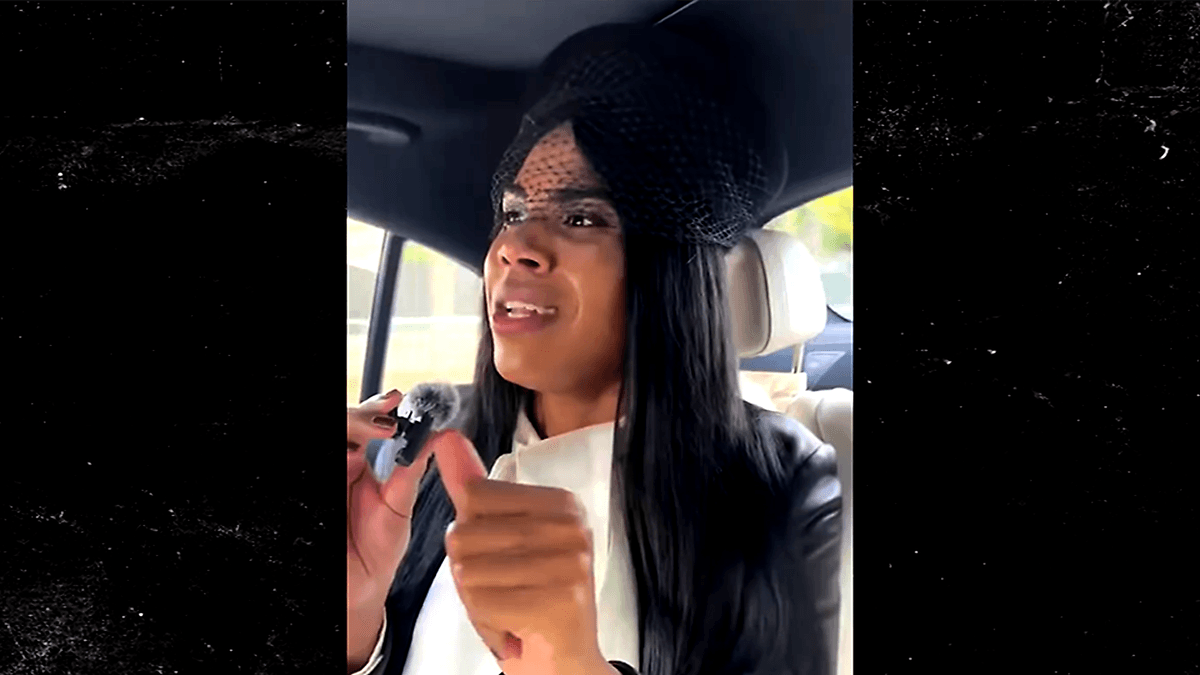
# Rihanna’s “Damn” Reacts to EJ Johnson’s Late‑Arrival Rant at Dior Show The superstar’s terse “Damn,” posted over a clip of EJ Johnson, ignited a firestorm after Johnson publicly complained that Rihanna’s tardiness forced the Dior show to open an hour late.
The delay drew a mix of curiosity and frustration from an audience that had already endured a packed lineup of late‑night fittings, press previews, and backstage rehearsals.
The incident became instantly shareable when Johnson posted a short TikTok clip, describing his frustration and “we didn’t care to wait for her.” ## Background & Context Dior’s Paris showcase has long been a benchmark for couture innovation, and the presence of Rihanna was highly anticipated.
A long‑time collaborator with the house, the singer had previously graced the Dior runway, adding a touch of contemporary to the brand’s legacy. Her involvement this season was touted as a fresh collaboration that could blur the lines between pop culture and high fashion.
EJ Johnson, who shared the delay publicly on TikTok, was one of the individuals involved in the event.
The clip showed Johnson frustrated, saying that the show’s opening was delayed because “Rihanna was late” and that the crew “didn’t care to wait for her.” By framing the issue as a personal inconvenience, Johnson unintentionally shifted the narrative from a collective logistical hiccup to a more confrontational tone.
Paris Fashion Week’s rigorous schedule leaves little room for surprises. Designers, models, and celebrities operate on a clock that balances rehearsals, fittings, travel, and the intense pressure of live presentations.
A delay of an hour can ripple through the entire day’s agenda, affecting subsequent shows, media coverage, and the overall pacing of the week. ## What People Are Saying The reaction to Johnson’s TikTok clip was immediate.
Viewers in the comments debated whether the delay was truly due to Rihanna’s lateness or whether logistical challenges had been compounded by other factors, such as unexpected wardrobe changes or travel delays.
Some commentators defended the singer, noting her extensive touring schedule and the unpredictable nature of traveling to Paris, while others criticized Johnson’s public complaint, calling it unprofessional and undermining the collaborative spirit of the event.
The most widely shared moment, however, was the brief video that surfaced later in the day showing Johnson being blocked from entering his hotel by security staff amid a swarm of photographers.
In the clip, the photographer’s lens shone a bright light on him as cameras flashed, capturing a chaotic scene that was quickly amplified across social platforms. The visual evidence suggested that Johnson’s frustration may have escalated beyond the stage, leading to a more intense backstage standoff.
Rihanna’s succinct “Damn” appeared on her Instagram feed shortly after the hotel incident went viral. The post did not include a caption or additional commentary, yet the word carried the weight of her reaction—a blend of exasperation, perhaps a subtle rebuke, or a simple acknowledgment of the chaos that unfolded.
Fans dissected the tone, debating whether the word signaled a passive‑aggressive response or a statement of frustration at the public airing of backstage woes. The comment threads on the post were flooded with memes, emojis, and calls for a behind‑the‑scenes interview that could clarify the situation.
Across the broader industry, conversations touched on the evolving relationship between celebrity guests and fashion houses. While designers often emphasize precision and control, celebrities bring their own schedules and personalities into the equation.
This incident has become a talking point about how both parties can balance artistic vision with practical realities, especially when high‑profile names are involved. ## What Happens Next As the week closes, several avenues remain open for resolution or further tension.
Dior’s public relations team will likely issue a statement clarifying the circumstances of the delay and reaffirming their commitment to collaboration and professionalism.
The statement may aim to smooth relations between the brand, the celebrity, and the broader public while acknowledging the challenges of coordinating large‑scale events. For Rihanna, the “Damn” may signal a desire to maintain her autonomy and avoid entanglement in public disputes.
If the singer continues to align herself with Dior for upcoming projects, her brief comment could be a strategic move to keep the narrative under her control, while still allowing her to appear on the runway or in campaigns.
The incident might also spark renewed interest in her role as a fashion icon who can bridge pop culture and couture, potentially leading to new partnership opportunities. EJ Johnson’s career trajectory could be affected by the public nature of his complaint.
While some view his candidness as refreshing and authentic, others see it as a breach of the decorum expected at high‑fashion events. Future job offers might consider his approach to conflict resolution and his ability to navigate public scrutiny.
For the fashion industry, the episode will likely be referenced in discussions about backstage etiquette, the role of social media in real‑time storytelling, and the delicate balance between artistic vision and logistical execution.
Designers and brands may reassess their protocols for handling delays, especially when high‑profile celebrities are involved, to prevent similar incidents from becoming public spectacles.
Ultimately, the next week will reveal whether the tension has cooled or if the conversation will continue to reverberate through the next seasons of Paris Fashion Week, Paris runway shows, and the global press that follows them.
The story is still unfolding, but the ripple effects of a single late arrival, a TikTok complaint, and a curt “Damn” are sure to linger in the runway’s echo chamber for some time.
At a Glance
- A TikTok clip from Dior creative director EJ Johnson shows the show’s opening delayed because Rihanna was late, sparking a social media storm.
- Rihanna responds with a single word, “Damn,” posted to Instagram, fueling speculation about backstage tensions and the broader celebrity‑designer dynamic.
- The incident highlights how a single moment can reshape narratives at high‑profile fashion events, prompting brands to rethink public conflict management.
Why It Matters
Our Take
GoNews Pulse Editorial Team
This article was prepared for publication by GoNews Pulse and checked for publication requirements under our editorial standards. We review available information and correct material errors when they are identified.
Quick Answers
- What is the latest update on this story?
- EJ Johnson’s TikTok rant, “We didn’t care to wait for her,” triggered outrage, and Rihanna’s one‑word “Damn” became the viral pivot.
- Who is this story about?
- This article covers developments related to Rihanna’s 3‑Word ‘Damn’ after Dior’s 1‑Hour Delay turns Fashion Week. GoNews Pulse's editorial team monitors the story and updates the article as new verified information becomes available.
- Where can I read more about celebrity news?
- GoNews Pulse publishes original reporting on celebrity news and related entertainment news. Visit the homepage or browse the section dedicated to this story for the latest coverage.
More From This Section

Jon Gosselin's 22‑Year‑Old Son Exposes Abuse, Father Shouts Support
Jon Gosselin declares that his son’s 22‑year‑old memoir exposes alleged institutionalization and a hidden ‘small holding’ cell, sparking a national debate.

Mike Colter's Valley Firm AGI Bo Revealed at 2:00 a.m. Shocks Fans
Rob McClure's portrayal of Bo forces the firm to confront a real‑world AGI asking for legal guardrails, sparking a tense ethical debate.

Meredith Grey's bed proposal to Nick on surgery table stuns fans
Meredith Grey slipped a ring into Nick's hand while he lay on the operating table, a move that stunned fans amid the bridge collapse.