
Rick Springfield Fires Mortar, Kills Enemy Soldier During Vietnam Tour
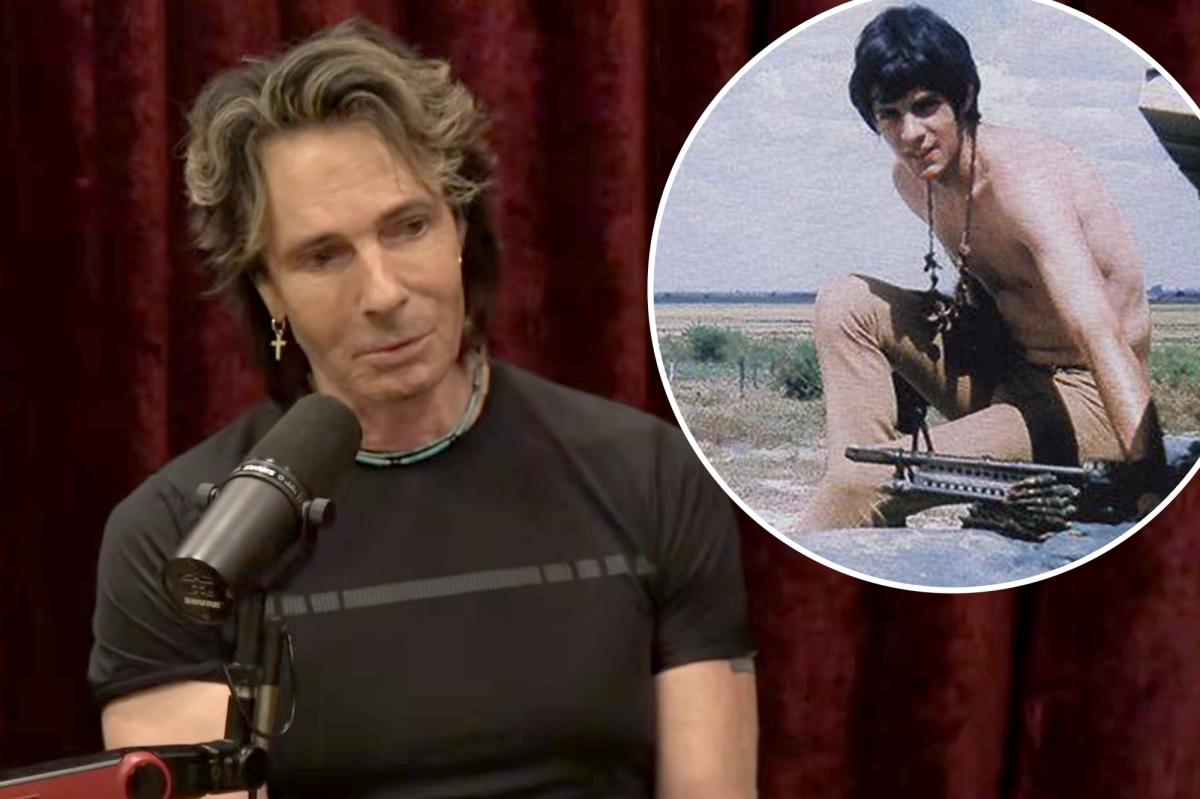
Rick Springfield, the Australian rocker best known for 1980s hits, has claimed that he accidentally killed a man while touring Vietnam to entertain U.S. troops in 1968. The claim surfaced during a recent episode of a popular podcast where Springfield recounted the event in detail.
He says the fatal shot came from a mortar he fired at a nearby bunker.
The band had been hired by the U.S. military to perform for soldiers stationed along the coast, with arrangements that included bringing female members to boost morale. Springfield notes that the crew spent four months in Vietnam, performing nightly shows for troops and spending most of their earnings at the PX.
He admits he did not earn a significant profit during the tour.
Springfield, the incident began when he and his band members were staying overnight with soldiers in a perimeter bunker. While inside the radio shack, a sudden mortar barrage forced him to fire.
He says he was told by a fellow musician to "throw mortars down the tube" as a defensive measure, and that one of his rounds hit an enemy combatant.
## Background & Context
In 1968, Springfield and his band were part of a broader effort by the U.S. Army to provide entertainment for troops in Southeast Asia. The soldiers requested performers who could offer a taste of home, and the arrangement included bringing female band members to satisfy those demands.
Springfield's account describes how this led to a four‑month stay in Vietnam.
The tour was not lucrative; Springfield admits that money earned from performances was largely spent at the military’s PX and did not translate into substantial income for the group. He reflects on the surreal nature of performing in a war zone, noting that the primary purpose was morale rather than revenue.
During this period, Springfield found himself embedded with U.S. soldiers, living in shared bunkers and participating in basic training drills. He describes the camaraderie that developed between the band members and the troops before the fatal event unfolded.
## What People Are Saying
On the podcast, Springfield expressed remorse over his actions, describing how learning that a mortar he fired had killed an enemy soldier has haunted him. He admits that the memory has remained with him since returning to civilian life.
He explains that he was told by a fellow musician to “throw some mortars down the tube” when the radio shack was under attack. Springfield says he was inexperienced and believed he was following orders in a chaotic environment.
Springfield also stated that the realization of having caused a death has left a lasting impact on his personal life. He has not offered a formal apology but notes that the incident occupies a difficult place in his memory.
## What Happens Next
Because the event occurred during wartime, no legal proceedings have followed Springfield’s account. It remains an unverified personal recollection rather than a documented criminal act.
Springfield has not pursued any public inquiries or statements beyond the podcast episode. His remarks appear to be a one‑off reflection on a traumatic moment in his past.
The incident remains part of Springfield’s narrative, with him acknowledging its weight but not indicating further action or seeking closure from external parties.
Springfield’s candid admission adds a new layer to the story of musicians who served as morale boosters in Vietnam. While no official record confirms the fatality he describes, his testimony provides a stark reminder of the unforeseen dangers faced by entertainers in conflict zones.
Why It Matters
Our Take
GoNews Pulse Editorial Team
This article was prepared for publication by GoNews Pulse and checked for publication requirements under our editorial standards. We review available information and correct material errors when they are identified.
Quick Answers
- What is the latest update on this story?
- He confesses to blowing up an enemy soldier on a Vietnam show, and his testimony shocks the music scene.
- Who is this story about?
- This article covers developments related to Rick Springfield Fires Mortar, Kills Enemy Soldier During Vietnam Tour. GoNews Pulse's editorial team monitors the story and updates the article as new verified information becomes available.
- Where can I read more about Rick Springfield?
- GoNews Pulse publishes original reporting on Rick Springfield and related entertainment news. Visit the homepage or browse the section dedicated to this story for the latest coverage.
Related topics
- #Rick Springfield
- #mortar incident 1968
- #Vietnam troop morale
More From This Section

Jon Gosselin's 22‑Year‑Old Son Exposes Abuse, Father Shouts Support
Jon Gosselin declares that his son’s 22‑year‑old memoir exposes alleged institutionalization and a hidden ‘small holding’ cell, sparking a national debate.

Mike Colter's Valley Firm AGI Bo Revealed at 2:00 a.m. Shocks Fans
Rob McClure's portrayal of Bo forces the firm to confront a real‑world AGI asking for legal guardrails, sparking a tense ethical debate.

Meredith Grey's bed proposal to Nick on surgery table stuns fans
Meredith Grey slipped a ring into Nick's hand while he lay on the operating table, a move that stunned fans amid the bridge collapse.