
Richard Norton’s 75‑Year‑Old Death from Peptide Therapy Shocked Fans
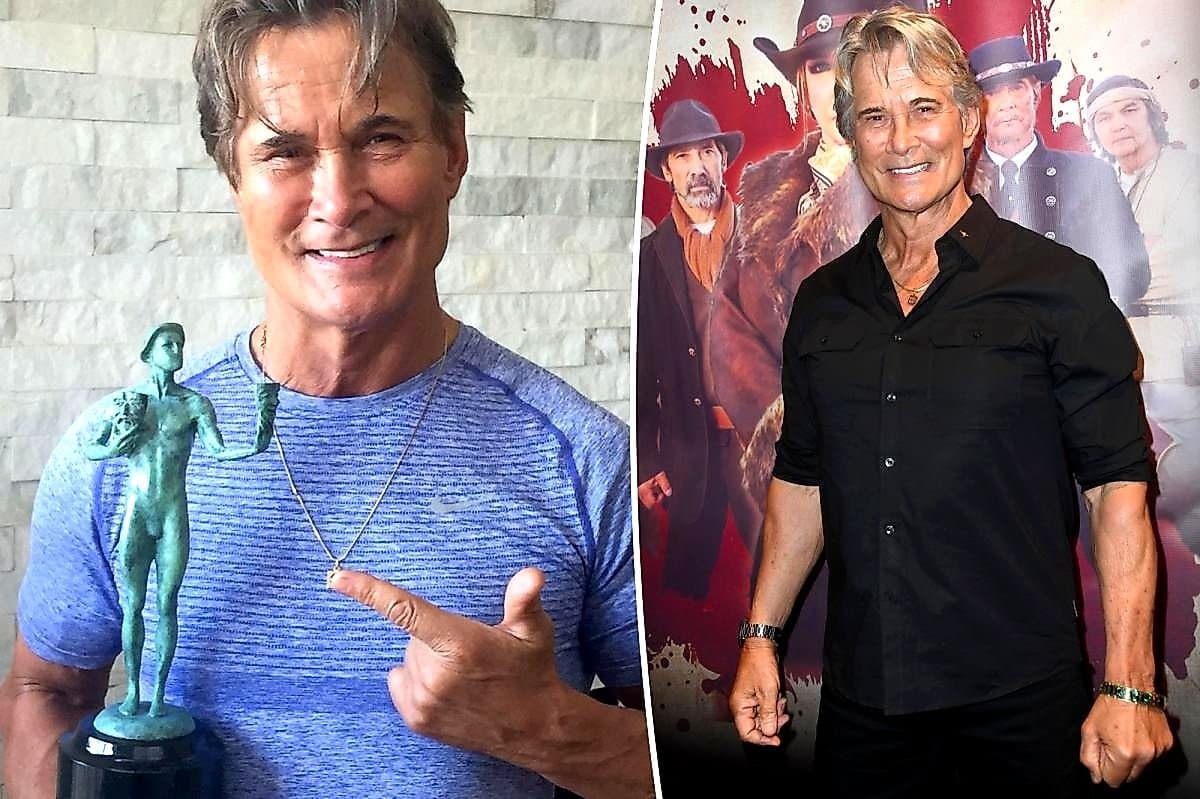
# Richard Norton’s 75‑Year‑Old Death Exposes Risk of Peptide Therapy Six days after starting a new peptide regimen, the beloved actor and martial‑arts instructor Richard Norton collapsed at home, leaving fans and family stunned by a sudden, fatal cardiac arrest.
The coroner’s report confirms that a self‑administered injection of growth‑hormone peptides—CJC1295 and Ipamorelin—triggered an anaphylactic reaction that ultimately halted his heart.
Norton, a long‑time advocate for fitness and healthy living, had seemed poised to begin a new chapter in his health journey just weeks earlier. His story is not just a personal tragedy; it also raises urgent questions about the rapidly growing world of performance‑enhancing supplements.
Though marketed as a means to build muscle, shed fat, and revitalize skin, many of these peptides remain unapproved by the U.S. Food and Drug Administration and are sold without rigorous safety testing.
As a result, users can be exposed to unpredictable reactions and serious health risks, as this case starkly illustrates. The circumstances leading to Norton’s collapse began on March 19, when a nurse, after a brief consultation, cleared him to start the therapy.
Four days after therapy began, on March 25, he reported that the vial had broken and requested a replacement. The nurse provided a new vial and an additional dose, even though Norton had told her he was doubling the prescribed amount.
By that evening, after injecting the second dose, he felt “hot and flushed” and then fell unconscious around 9 p.m. His wife, Judy Green, immediately called emergency services and performed CPR until paramedics arrived at 9:30 p.m.
The ambulance crew noted that he was experiencing an anaphylactic reaction, followed by cardiac arrest. --- ## Background & Context Peptide therapy has surged in popularity among celebrities, athletes, and wellness influencers over the past decade.
These short chains of amino acids, including CJC1295 and Ipamorelin, are designed to stimulate the body’s own production of growth hormone, potentially leading to increased muscle mass, improved recovery, and anti‑aging benefits.
Yet the market for these substances largely operates outside the regulatory purview of the FDA, leaving users vulnerable to contamination, dosage inaccuracies, and unforeseen side effects. Richard Norton’s case is the first death in Australia linked to peptide use.
The report details how the unregulated nature of the product likely contributed to the severity of the reaction. While the exact mechanism remains under investigation, it is clear that the combination of a high dose, self‑administration, and a lack of medical oversight created a fatal scenario.
The industry’s rapid growth has outpaced safety research. Many peptides are sold through online platforms or by individuals who claim anecdotal benefits without providing clinical evidence.
This disconnect between market enthusiasm and scientific validation has fueled a dangerous trend: people injecting substances they believe to be harmless, without understanding the potential for allergic or cardiovascular complications. --- ## What People Are Saying Fans and fellow actors have flooded social media with tributes to Norton.
In a heartfelt Instagram post, Judy Green shared, “I am numb and devastated, I have no words I have lost my everything.” Her words resonated across the internet, prompting supporters to share memories of his dedication to martial arts and his commitment to mentoring young practitioners. --- ## What Happens Next The coroner believes that this is the first death in Australia linked to peptides.
No further actions have been announced in the source material. --- Richard Norton’s sudden death has illuminated a dark corner of the wellness industry, prompting a reckoning that could reshape how peptide therapy is regulated and perceived.
As the nation mourns a vibrant figure who dedicated his life to movement and mentorship, it also faces a choice: continue to let unverified treatments proliferate, or take decisive steps to protect individuals from invisible dangers lurking behind the promise of instant results.
The conversation has begun; the outcome remains to be seen.
At a Glance
- 75‑year‑old actor Richard Norton collapsed after a self‑administered peptide injection, triggering anaphylaxis and cardiac arrest.
- The death is the first in Australia linked to unregulated peptide therapy, spotlighting the risks of off‑label growth‑hormone supplements.
- Regulators and industry groups now demand stricter oversight, clearer labeling, and mandatory medical supervision for peptide use.
Why It Matters
Our Take
GoNews Pulse Editorial Team
This article was prepared for publication by GoNews Pulse and checked for publication requirements under our editorial standards. We review available information and correct material errors when they are identified.
Quick Answers
- What is the latest update on this story?
- Judy Green says, "I am numb and devastated, I have lost my everything" as she mourns his sudden death.
- Who is this story about?
- This article covers developments related to Richard Norton’s 75‑Year‑Old Death from Peptide Therapy Shocked Fans. GoNews Pulse's editorial team monitors the story and updates the article as new verified information becomes available.
- Where can I read more about celebrity news?
- GoNews Pulse publishes original reporting on celebrity news and related entertainment news. Visit the homepage or browse the section dedicated to this story for the latest coverage.
More From This Section

Kelly Cates Stays Cool as Mark Chapman Feuds with BBC Sports Director
Cates even quipped that the 'back‑stage drama was just a tiny blip, nothing to distract the audience' after the 1‑0 loss to Arsenal.

Ian Gillan, 81, hospitalized forces Deep Purple to cancel two shows
Deep Purple confirmed all tickets will stay valid while Ian Gillan recovers from an emergency hospitalization that forced the band to cancel two shows, leaving fans hopeful for a swift return.

Brooklyn Beckham’s ‘Obsessed’ Post With Finger Emoji Shocks Fans
Brooklyn Beckham’s Instagram post uses a bold middle‑finger emoji to defend his wife, sparking a flood of comments.