
Black Voters Won't Back a Gay President, Van Orden Claims
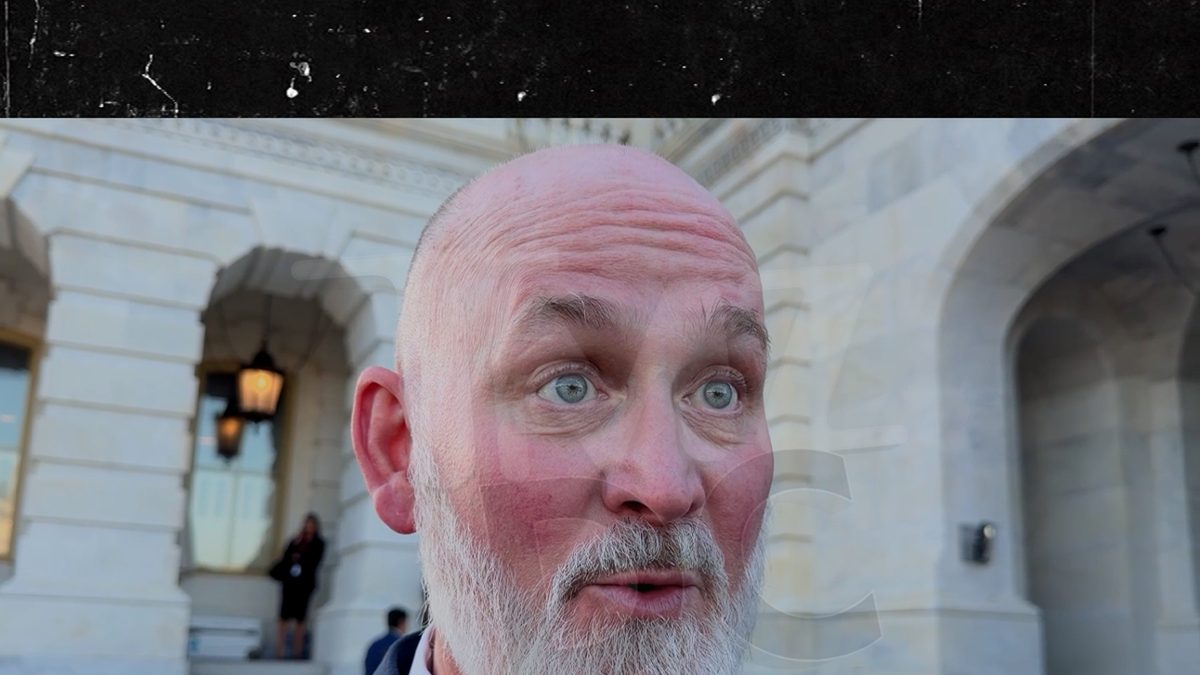
**Rep. Derrick Van Orden Says Black Voters May Hinder Democratic Path to First Gay President**
On Thursday, Republican Rep. Derrick Van Orden of Wisconsin spoke on Capitol Hill about the possibility of an openly gay president, emphasizing that Black voter support could pose a significant hurdle for Democrats.
Van Orden stated that while he evaluates candidates solely on qualifications, statistical evidence indicates African Americans are not yet ready to back a gay candidate. His remarks suggest that the Democratic Party’s heavy reliance on Black turnout could be challenged if voters remain hesitant.
## What Happened
During an interview with host Charlie, Van Orden answered questions about Pete Buttigieg’s assertion that America is prepared for a gay president. He said a candidate’s sexuality does not affect his judgment of their fitness for office.
When asked whether the rest of the country feels similarly, he focused on Black voters, claiming that statistically they are not ready to vote for a gay candidate. Van Orden warned that this could create a problem for Democrats, who depend heavily on Black support.
Charlie then asked if this view meant America could first elect a gay Republican president. Van Orden replied that objectively, yes, a Republican could reach that milestone before a Democrat.
He highlighted Treasury Secretary Scott Bessent, an openly gay official, to illustrate how Republicans prioritize qualifications over race or sexuality. In contrast, he cited Democratic figures Kamala Harris and Justice Ketanji Brown Jackson as examples of the party placing greater emphasis on identity factors.
## Context and Implications
Van Orden represents Wisconsin’s 3rd Congressional District and has served in the House since 2023. His statements arrive amid ongoing discussions about diversity in political leadership and the strategic importance of minority coalitions.
If Black voters remain hesitant to support a gay candidate, Democrats may need to reassess outreach strategies or candidate selection to preserve turnout. Republicans, , already foreground qualifications regardless of sexual orientation.
The conversation underscores how identity politics intersect with voter behavior, potentially reshaping party dynamics as the nation considers its first openly gay president.
### A Brief History of LGBTQ+ Representation
The United States has seen incremental progress in LGBTQ+ political representation. From Harvey Milk’s groundbreaking tenure as a New York City councilmember in the 1970s to the election of the first openly gay mayor of a major city, each milestone built on the work of activists and allies.
In 2008, Barack Obama’s campaign announced that LGBTQ+ voters would receive more targeted outreach, a sign that identity issues were entering mainstream political calculations.
### The Role of Black Voters in Democratic Elections
Since the Civil Rights era, Black voters have been pivotal in shaping electoral outcomes. Data from the 2020 census shows that Black turnout exceeded 70% in several key battleground states, often tipping the scales for Democratic candidates. However, surveys indicate a spectrum of comfort levels regarding LGBTQ+ representation.
While many Black voters support equal rights for all minorities, a subset expresses concerns about how an openly gay candidate might influence policy priorities or societal perceptions.
### Fan Reaction and Social Media Discourse
The remarks sparked immediate reactions online. Supporters of Van Orden praised the focus on “merit over identity,” posting memes that highlighted Republican officials in leadership roles. Critics countered by , arguing that identity representation is a form of merit in itself.
Hashtags such as #EqualityInLeadership and #MeritFirst trended briefly, with a noticeable split between partisan communities.
### Industry Impact: Political Strategy and Campaign Planning
Political consultants are already re‑examining the weight given to identity factors in candidate packages. For Democrats, the potential dip in Black voter enthusiasm over LGBTQ+ candidacy may prompt a shift toward emphasizing policy achievements and bipartisan cooperation in campaign messaging.
Republicans, meanwhile, can leverage Van Orden’s comments to reinforce a narrative that expertise trumps personal identifiers—a strategy that could appeal to moderate voters wary of identity politics.
### Looking Forward
As the country prepares for the next election cycle, the question of whether an openly gay president—regardless of party affiliation—will find unanimous support remains open. The conversation initiated by Rep. Van Orden signals a growing awareness that voter demographics and identity concerns are inseparable.
Whether this will alter the political landscape or simply spark a temporary debate depends on how parties adapt their outreach, address underlying concerns, and ultimately present leaders who resonate across the diverse fabric of American society.
Why It Matters
Our Take
GoNews Pulse Editorial Team
This article was prepared for publication by GoNews Pulse and checked for publication requirements under our editorial standards. We review available information and correct material errors when they are identified.
Quick Answers
- What is the latest update on this story?
- Van Orden claims Black voters will reject a gay president, threatening to halt a historic Democrat win.
- Who is this story about?
- This article covers developments related to Black Voters Won't Back a Gay President, Van Orden Claims. GoNews Pulse's editorial team monitors the story and updates the article as new verified information becomes available.
- Where can I read more about Derrick Van Orden?
- GoNews Pulse publishes original reporting on Derrick Van Orden and related entertainment news. Visit the homepage or browse the section dedicated to this story for the latest coverage.
Related topics
- #Derrick Van Orden
- #Black voters
- #Democratic Party
- #Republican Party
- #Pete Buttigieg
More From This Section

Jon Gosselin's 22‑Year‑Old Son Exposes Abuse, Father Shouts Support
Jon Gosselin declares that his son’s 22‑year‑old memoir exposes alleged institutionalization and a hidden ‘small holding’ cell, sparking a national debate.

Mike Colter's Valley Firm AGI Bo Revealed at 2:00 a.m. Shocks Fans
Rob McClure's portrayal of Bo forces the firm to confront a real‑world AGI asking for legal guardrails, sparking a tense ethical debate.

Meredith Grey's bed proposal to Nick on surgery table stuns fans
Meredith Grey slipped a ring into Nick's hand while he lay on the operating table, a move that stunned fans amid the bridge collapse.