
Renée Good's death sparks Livingston protest against Daily Wire film
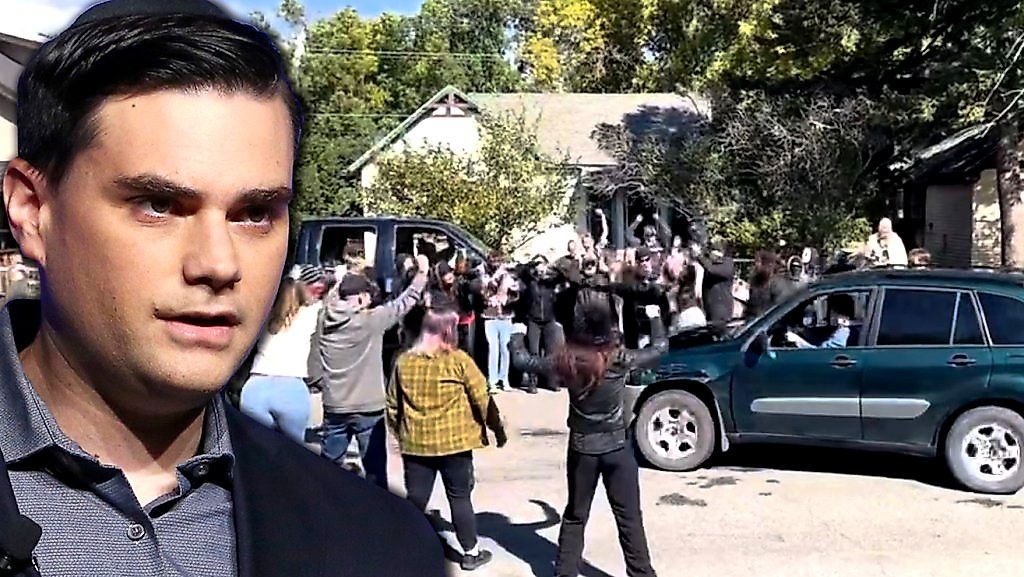
# Daily Wire’s New Film Forces Livingston, Montana to Take a Stand Over ICE Violence In the quiet, tree‑lined streets of Livingston, a storm brewed as a pro‑ICE movie called *Pawn Shop* began rolling cameras across a local food pantry and the town’s historic main street.
The film’s opening scene, a dramatized re‑creation of the January 2026 shooting of Renée Good, ignited a fire that quickly spread through the community, prompting residents to gather, chant, and demand a change in how the production was run.
The controversy began when a crew from Ben Shapiro’s Daily Wire and Dallas Sonnier’s Bonfire Legend set up a shoot under the working title *Pawn Shop*.
The production, slated to feature Hollywood veterans such as Danny Trejo, Harvey Keitel, and Henry Thomas, was scheduled to film a chaotic Minneapolis‑style opening sequence that included staged gunfire, pyrotechnics, and a car wreck.
But the scene’s narrative—depicting an ICE agent’s fatal shoot‑out with a woman—was a stark reminder of Good’s death and raised ethical questions about the portrayal of real‑world tragedies for entertainment. ## Background & Context Livingston is a tightly knit community where a local pantry serves one in eight Park County residents.
The Food Resource Center, already stretched thin, was suddenly forced to cope with road closures and armed security guards as the film crew set up a shooting range adjacent to its building. The center’s director noted an eight‑week dip in patronage that had never been seen before.
“The security and traffic created a barrier that prevented people from accessing the food they desperately need,” she said, emphasizing that the residents “deserve to feel unequivocally safe” when seeking help.
The town’s mayor and police chief confirmed that the film crew held the necessary permits, but residents felt the permitting process was opaque. “We weren’t notified until we called the city to find out filming had already begun,” the center’s director recounted.
The crew’s lack of community outreach added to a sense of mistrust, especially when the production’s opening scene echoed the real‑life tragedy that had shaken Minnesota’s public.
Residents were not just upset about the production logistics; they were angered by a depiction that seemed to sensationalize the very violence that had claimed a life in their national conversation. Industry insiders point to a broader pattern.
The Daily Wire’s previous feature, *Run Hide Fight: Infidels*, had been picketed by the International Alliance of Theatrical Stage Employees (IATSE). Several crew members walked off that shoot over labor concerns, and a serious on‑set injury involving actor Jonathan Majors led to a public safety debate.
This history has set a high bar for how the *Pawn Shop* crew was expected to conduct itself, but the mounting protests in Livingston suggest those expectations were not met. ## What People Are Saying Brooklyn Wilde, a Livingston resident who also runs a local production company, summed up the community’s frustration.
“This production crew could have done a lot better with notifying everyone,” she told reporters. Her frustration spilled onto the streets as she joined a chorus of townspeople chanting “Ben Shapiro is a cuck” and recounting details of the Good shooting.
She emphasized the legal right to protest while remaining within decibel limits, noting that law enforcement had responded to a dozen protests and even ticketed a peaceful participant. The chant, though vulgar, was a raw expression of the town’s anger and a rallying cry for visibility.
Local residents also pointed out that the film’s staged gunfire was performed without proper safety protocols. The Livingston Fire Department confirmed that they were on standby for pyrotechnic sequences, yet some residents claimed they were not notified of the dangerous stunts taking place in their front yards.
The police chief reiterated that while permits were granted, there was no evidence of a concerted effort to inform neighboring businesses and homeowners.
The lack of transparency has fueled a broader conversation about the ethics of filming in tight‑knit communities and the responsibilities of media companies to protect residents’ well‑being.
The Food Resource Center’s statement, issued in response to the film’s disruption, highlighted that the center was the only resource of its kind in the area, serving a significant portion of the county’s residents.
The abrupt road closures forced clients to take longer detours, jeopardizing the ability to meet basic needs. The center’s leadership called the film’s presence an “unacceptable” setback that left the community feeling unsafe in a place meant to offer relief and solidarity.
Their appeal was not only for immediate safety but also for a longer‑term dialogue about how media productions interact with the very communities they depict or disrupt. ## What Happens Next The local protests have drawn the attention of state officials and film industry regulators.
While the production has a “conditional start” with SAG‑AFTRA, it is not under an IATSE contract, and the lack of a labor union agreement has become a focal point for criticism. Film officials, however, have maintained that all permits were in order and that the production adhered to safety guidelines.
They argue that the presence of an experienced crew, including producer Carter Boehm and director Michael Polish, should have mitigated the concerns raised by residents.
In response to the mounting pressure, some Livingston residents have proposed a counter‑project: a documentary capturing the town’s reaction to the film and tying it back to the real tragedy of Renée Good.
“It could distract from the movie,” one activist said, “and potentially expose the ethical lapses that are happening behind the camera.” The proposal signals a potential shift from protest to proactive media creation, suggesting that the community might wield the same tools that the film crew used to influence public perception.
Meanwhile, Good’s family has recently filed two federal lawsuits, including a wrongful death claim against the U.S. government and a complaint against senior officials such as Stephen Miller and Jonathan Ross, the ICE agent who shot her.
These legal actions are still pending, but the lawsuits have amplified the scrutiny on any media portrayal that appears to dramatize or trivialize her death. The court filings emphasize the importance of accuracy and sensitivity when depicting real‑world incidents in a fictional setting.
The town’s leadership is weighing options. One possibility is to negotiate a community‑benefit agreement with the film production, ensuring that residents receive tangible assistance such as discounted movie tickets or public safety support in exchange for their cooperation.
Another is to file a formal complaint with the Montana Film Office, which may prompt a review of the production’s compliance with local ordinances.
Regardless of the route chosen, the current situation has forced a conversation about the power dynamics between media conglomerates and the small towns that provide the backdrop for their stories.
In the end, Livingston’s residents are not merely protesting a film; they are challenging how the narrative of a country’s policing policies is packaged and presented to a national audience.
Their activism underscores a larger cultural struggle over how violence, memory, and media intersect in the American public square. As the production continues to roll, the town’s collective voice serves as a reminder that even the quietest communities can spark a national conversation.
The final note from Livingston’s mayor was clear: “We will not let the production take our town for granted.” The rest of the country may be watching, but the people of Livingston are already writing their own script—one that demands respect, transparency, and accountability from every production that passes through their streets.
At a Glance
- Daily Wire’s “Pawn Shop” film staged a dramatic ICE shootout, igniting protests in Livingston, Montana.
- The production disrupted the local food pantry, causing an eight‑week drop in patronage and raising safety and transparency concerns.
- Residents demanded accountability, while the film’s crew defended permits and safety protocols amid calls for a community‑benefit agreement.
Why It Matters
Our Take
GoNews Pulse Editorial Team
This article was prepared for publication by GoNews Pulse and checked for publication requirements under our editorial standards. We review available information and correct material errors when they are identified.
Quick Answers
- What is the latest update on this story?
- A Daily Wire crew staged gunfire in front of Livingston’s food pantry, cutting access for eight weeks and sparking angry protests over an ICE‑related scene.
- Who is this story about?
- This article covers developments related to Renée Good's death sparks Livingston protest against Daily Wire film. GoNews Pulse's editorial team monitors the story and updates the article as new verified information becomes available.
- Where can I read more about celebrity news?
- GoNews Pulse publishes original reporting on celebrity news and related entertainment news. Visit the homepage or browse the section dedicated to this story for the latest coverage.
More From This Section
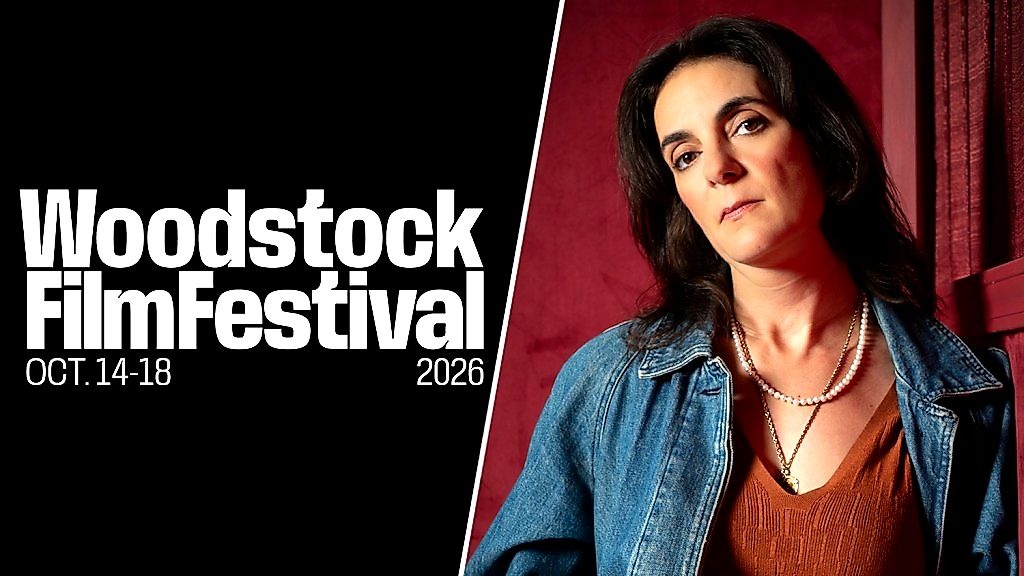
Jessica Edwards' 27-Year Legacy Shakes Woodstock Film Festival
Jessica Edwards announced she will double the festival’s screen time for women filmmakers, promising a new wave of diverse stories at next spring’s event.

Taylor Swift's 36-Year-Old Red Turns Chiefs Fans Into Celebrity Crowd
Swift's front‑row red turtleneck and a heartfelt hug to Donna Kelce at Arrowhead left fans stunned as Chiefs edged Chargers 33‑30 in overtime.

Taylor Swift's 36-year-old drops 'The Fate of Ophelia' at Academy Gala
She stunned in a strapless pale‑blue Dior gown, opening with a brand‑new Toy Story 5 track and a 'Blank Space' performance, showcasing her theatrical flair.