
René Vautier's Cinema Renamed, Sparking France's Fury After 42 Years
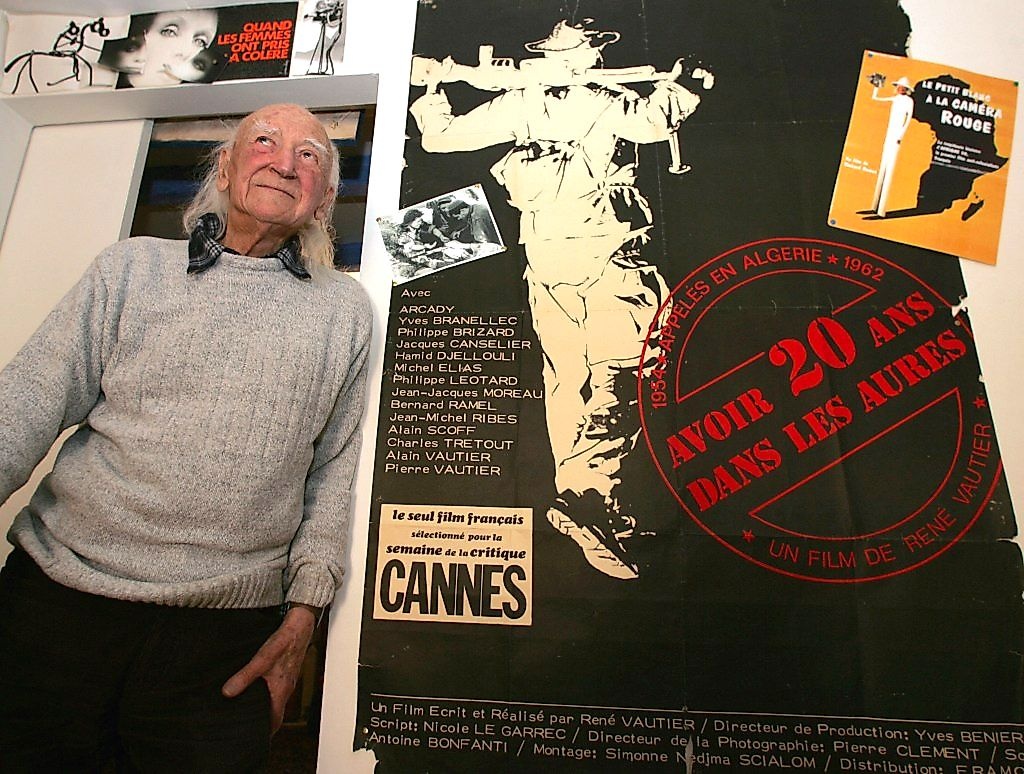
# René Vautier’s Name Stripped from Elne Cinema, Sparking Nation‑Wide Outrage In the quiet town of Elne, tucked in the foothills of the Pyrenees, a municipal cinema that had once echoed with the works of a celebrated anti‑colonial filmmaker now hums under a new, neutral moniker: *La Bobine Illibérienne*.
The decision, announced last week by Mayor Steve Fortel, has lit a fire across France’s arthouse community, forcing a reckoning over the politics of place‑names and the memory of those who fought for freedom. Fortel, who won the mayoral race as an independent but has ties to a far‑right party, justified the rename by .
The new title translates to “the Illibérien Reel,” a nod to the town’s residents, the Illibériens. Yet the move was not a quiet administrative shuffle; it felt like an erasure of a legacy that had been embedded in the cultural fabric of Elne for decades.
René Vautier, who died in 2021, was more than a filmmaker; he was a member of the French Resistance, a recipient of the Croix de Guerre for his wartime service, and a vocal critic of colonial rule. His 180‑film oeuvre includes *Afrique 50*, a groundbreaking anti‑colonial piece that faced a 40‑year ban in France.
Removing his name from a public cultural venue has provoked a swift, collective response from cinemas, filmmakers, and citizens nationwide. ## Background & Context The cinema, once known as the *René Vautier* Theatre, was a local landmark that showcased both mainstream and independent films.
Its name had become synonymous with the town’s cultural identity, a reminder of the region’s long‑standing engagement with French cinema’s political edge.
Fortel’s decision came shortly after he had already taken steps that many viewed as reactionary: he removed LGBT flags from public spaces and halted funding for the restoration of the Château d’en Bardou, a historic refuge for refugees from the Spanish Civil War.
The renaming is part of a broader cultural struggle that has intensified as France approaches the 2027 presidential election.
The National Rally, led by Marine Le Pen, is campaigning on a platform that includes a strong emphasis on national identity and skepticism toward the leftist, multicultural narrative that has shaped French cultural policy for decades.
In this climate, symbolic gestures such as renaming a cinema take on amplified significance. The town of Elne is not isolated in this drama.
Across France, 17 professional cinema bodies—including the Association for the Diffusion of Independent Cinema (l’ACID), the French Art House Cinema Association (AFCAE), and Independent European Distributors United (DIRE)—issued a joint statement condemning the change.
They highlighted Vautier’s historical contributions: his 1972 film *To Be Twenty in the Aurès* chronicled the experiences of French pacifists drawn into the Algerian War, while his broader filmography challenged colonialism, racism, and capitalism.
The bodies warned that removing his name risks erasing an essential part of France’s cinematic and political history. ## What People Are Saying In the immediate aftermath, the reaction across France’s independent film circuit was swift.
Several arthouse cinemas ran special screenings under the banner of René Vautier as a form of solidarity. These events were more than just tributes; they were a public statement that the identity of cultural spaces cannot be decided by a single political figure.
A petition launched by residents of Elne has already garnered thousands of signatures, demanding the return of the original name. The online campaign echoes a larger national sentiment that cultural heritage is a shared asset, not a tool for partisan symbolism.
The petition’s language calls for the preservation of the cinema’s programming freedom and for protection against political interference in artistic spaces. The statement from the cinema bodies also raised legal concerns, 2016 law on the freedom of creation, architecture, and heritage.
Under that law, local authorities are tasked with safeguarding cultural diversity and artistic independence. By renaming the cinema and assuming control over its operations, Fortel may have crossed a legal threshold that protects cultural institutions from political overreach.
The national conversation extends beyond the film community.
Historians and political commentators have seized on the incident to illustrate the ongoing struggle between France’s leftist heritage—rooted in resistance, anti-colonial activism, and artistic freedom—and a right‑wing narrative that seeks to redefine national identity through cultural symbols.
The renaming of the cinema serves as a microcosm of this larger conflict, illustrating how seemingly local decisions resonate across the country. ## What Happens Next The next steps are already unfolding.
Legal experts suggest that the town may be compelled to reverse the rename if the petition is deemed valid under French law, especially if it can be shown that the change violates the principles of artistic freedom and heritage protection.
The 17 cinema bodies are preparing to pursue formal complaints, potentially escalating the issue to the Ministry of Culture and the relevant judicial authorities.
Simultaneously, independent theaters that participated in the solidarity screenings are planning a coordinated campaign to raise awareness and to lobby for a national policy that safeguards the names and identities of cultural institutions.
This campaign will likely involve petitions, public events, and outreach to lawmakers, aiming to prevent similar occurrences in other municipalities. In the political arena, the controversy will almost certainly become a talking point for the 2027 election.
Candidates from both sides of the spectrum may use the incident to either defend or criticize the current administration’s handling of cultural policy.
If the National Rally gains traction, they might argue that local governments should have the autonomy to rename public spaces without interference from the national culture ministry.
Conversely, left‑leaning parties are poised to champion the cause of preserving historical memory and artistic autonomy, potentially mobilizing their base around the issue. For Elne, the situation remains tense.
The municipal council has called for a public hearing to discuss the renaming, inviting local residents, filmmakers, and cultural scholars to weigh in. The hearing will serve as a platform for dialogue, but it also risks escalating the divide if not handled with sensitivity.
The outcome will set a precedent for how local governments can—or cannot—intervene in the cultural life of their communities. The broader French society will be watching closely.
The incident underscores the fragile balance between political authority and cultural autonomy, a balance that has been tested time and again throughout the country’s modern history.
Whether the name *René Vautier* will return to the Elne cinema—or whether *La Bobine Illibérienne* will endure—remains to be decided, but the conversation it has sparked will linger well beyond the final vote of any election.
The debate continues, with voices from all corners of the nation rallying for the preservation of memory, freedom of expression, and the right of communities to honor the figures who shaped their cultural landscapes.
At a Glance
- Elne's cinema, once named after anti‑colonial filmmaker René Vautier, was renamed La Bobine Illibérienne amid claims of neutrality.
- The move sparked national outrage, with 17 cinema associations condemning the decision and organizing solidarity screenings.
- Legal challenges loom as French heritage law may protect cultural names from political overreach, setting a precedent for future municipal actions.
Why It Matters
Our Take
GoNews Pulse Editorial Team
This article was prepared for publication by GoNews Pulse and checked for publication requirements under our editorial standards. We review available information and correct material errors when they are identified.
Quick Answers
- What is the latest update on this story?
- The town's mayor cited 'neutrality' after removing LGBT flags, prompting nationwide solidarity screenings that echoed Vautier's anti-colonial legacy.
- Who is this story about?
- This article covers developments related to René Vautier's Cinema Renamed, Sparking France's Fury After 42 Years. GoNews Pulse's editorial team monitors the story and updates the article as new verified information becomes available.
- Where can I read more about celebrity news?
- GoNews Pulse publishes original reporting on celebrity news and related entertainment news. Visit the homepage or browse the section dedicated to this story for the latest coverage.
More From This Section

Jessica Edwards' 27-Year Legacy Shakes Woodstock Film Festival
Jessica Edwards announced she will double the festival’s screen time for women filmmakers, promising a new wave of diverse stories at next spring’s event.

Taylor Swift's 36-Year-Old Red Turns Chiefs Fans Into Celebrity Crowd
Swift's front‑row red turtleneck and a heartfelt hug to Donna Kelce at Arrowhead left fans stunned as Chiefs edged Chargers 33‑30 in overtime.

Taylor Swift's 36-year-old drops 'The Fate of Ophelia' at Academy Gala
She stunned in a strapless pale‑blue Dior gown, opening with a brand‑new Toy Story 5 track and a 'Blank Space' performance, showcasing her theatrical flair.